Virat Kohli, Ambati Rayudu & The Lingering 2019 World Cup Omission
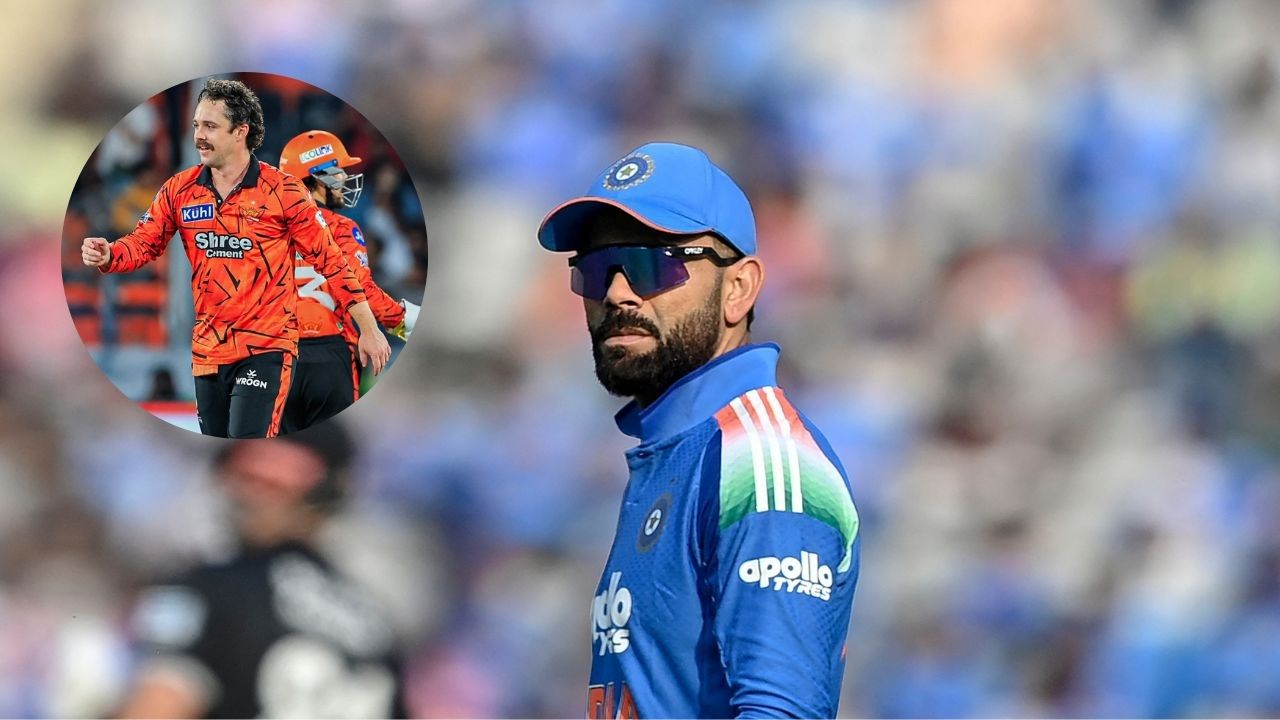
The 2019 ICC Cricket World Cup was a tournament of intense emotions for Indian cricket enthusiasts. Team India showcased a dominant performance throughout the league stage, topping the table with an impressive seven wins from nine matches, generating immense hope for a third World Cup title. Under the astute leadership of Virat Kohli, the side appeared formidable and unstoppable, cruising towards the knockout stages with confidence. However, their dream run was abruptly halted by a heartbreaking semi-final defeat against New Zealand, a memory that still stings many.
Yet, beyond the on-field disappointment of the semi-final exit, another significant controversy from that World Cup continues to resonate deeply within the cricketing fraternity and among fans: the shocking omission of Ambati Rayudu from the Indian squad. Even years after the event, countless fans and former cricketers maintain the belief that Rayudu was unjustly overlooked and deserved a place in the national team. This sentiment has often led to criticism directed at the then-team management, including captain Virat Kohli and head coach Ravi Shastri, for what many consider a controversial and ill-advised decision.
The Heart of the Matter: Rayudu’s Shocking Omission
Before the grand spectacle of the 2019 World Cup, Ambati Rayudu was widely regarded as India’s first-choice batter for the crucial No. 4 position in the One-Day International (ODI) format. He had consistently delivered strong performances in ODI cricket, cementing his place and earning repeated backing from the team management. His solid technique, ability to rotate strike, and occasional power-hitting made him an ideal candidate to anchor the middle order, a role that had historically been a point of contention for India in previous World Cups.
However, when India announced its much-anticipated squad for the 2019 World Cup, the cricketing world was taken aback. Selectors, to the surprise of many, chose Vijay Shankar over Rayudu. The chief selectors famously justified Shankar’s inclusion by describing him as a ‘three-dimensional player,’ emphasizing his all-round skills in batting, bowling, and fielding. This explanation, while offering a rationale, did little to quell the widespread disappointment and confusion, especially given Rayudu’s consistent run in the lead-up to the tournament.
Virat Kohli’s Stance and the Captain’s Influence
While Virat Kohli never publicly expressed direct criticism towards Ambati Rayudu, subsequent reports and insights from within the cricketing circles suggested that the then-captain had a preference for players who offered greater flexibility and a broader range of all-round skills. This preference, though not explicitly stated in relation to Rayudu’s exclusion, aligned with the ‘three-dimensional player’ argument used to justify Vijay Shankar’s selection. As the captain of the national side, Kohli inevitably became the public face of significant team decisions, including contentious selection calls.
Consequently, he drew considerable criticism from various quarters for this particular choice, with many perceiving it as an indirect reflection of his influence on the squad composition. The weight of a captain’s opinion in major tournament selections is substantial, and in this instance, Kohli’s alleged preference contributed to a narrative that positioned him as a key figure behind Rayudu’s shocking omission, a perception that has persisted through the years.
Ambati Rayudu’s Enduring Regret Amidst IPL Glory
Despite the immense disappointment of missing out on the World Cup, Ambati Rayudu went on to forge a brilliant career in the Indian Premier League (IPL). His journey in the cash-rich league saw him participate in 204 matches, accumulating an impressive 4,348 runs. He also achieved a remarkable feat, becoming one of only two players, alongside the illustrious Rohit Sharma, to win six IPL titles, underscoring his consistent performance and invaluable contribution to successful franchises like Chennai Super Kings and Mumbai Indians.
His personal best IPL season came in 2018, where he scored a magnificent 602 runs for Chennai Super Kings, playing a pivotal role in their title victory. Yet, despite this extraordinary success and a trophy cabinet brimming with IPL accolades, the profound pain and regret of missing the opportunity to play in a World Cup for India appear to have lingered. In an emotional interaction with ESPN Cricinfo, Rayudu candidly admitted the depth of this feeling, stating, “I would trade those (six IPL titles) just to get a game in the World Cup.” This heartfelt confession perfectly encapsulates how deeply the decision impacted him, highlighting that for a cricketer, representing the nation on the grandest stage often transcends individual league success.
Why the Controversy Persists
The controversy surrounding Ambati Rayudu’s 2019 World Cup omission endures for several compelling reasons. Firstly, Rayudu had been consistently projected and groomed as India’s designated No. 4 batter for a considerable period leading up to the tournament. This prolonged endorsement made his sudden exclusion particularly jarring and difficult for fans and pundits to comprehend. The perceived lack of transparent communication or a clear explanation from the team management before such a significant event only added fuel to the fire.
Secondly, the emotional connection that fans had developed with Rayudu’s journey, witnessing his dedication and consistent performances, meant that his absence felt like a personal slight. His subsequent statement about trading IPL titles for a World Cup game only reinforced the public’s sympathy and cemented the idea that a deserving player was denied a career-defining opportunity. Lastly, Rayudu’s recent appointment as the Director of Cricket Operations for the Hyderabad Cricket Association has brought this old wound back into the spotlight, reminding everyone of a decision that remains one of Indian cricket’s most debated moments. The fact that such a talented and dedicated player missed the pinnacle of international cricket will continue to be a talking point, reflecting the profound human element inherent in elite sports.