Nathan Lyon Eyes Bangladesh Test for International Return
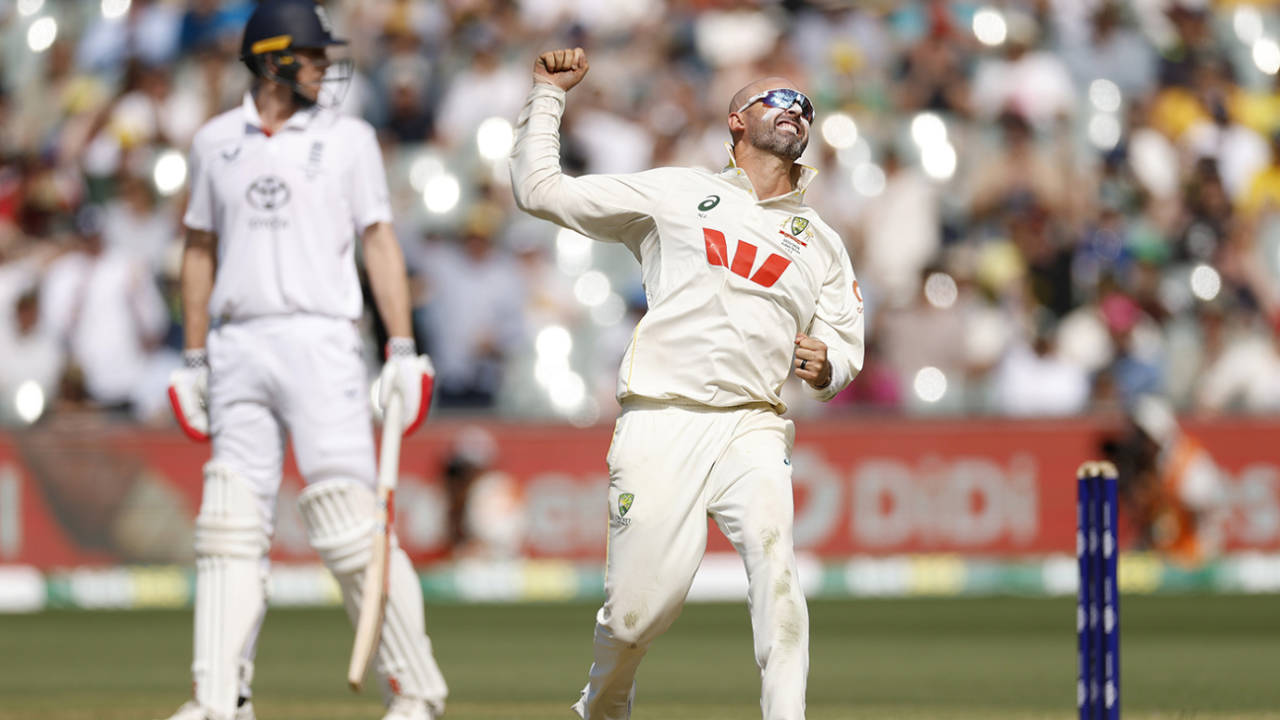
Australian off-spinning legend Nathan Lyon has sent a clear message to national selectors as he continues his recovery from a severe hamstring injury. Lyon is absolutely certain that he will be fully prepared to return to international action for the opening Test against Bangladesh in Darwin this August. Having commenced bowling once again after what has been described as a “pretty traumatic” hamstring rupture, the veteran spinner is eager to remind Australia’s decision-makers of his unwavering desire to participate in every match on the upcoming schedule.
The road back has been arduous, but Lyon’s focus remains absolute. As he works his way back to peak match fitness, his journey is a testament to his enduring passion for the game. Indeed, the phrase ‘Not ready to give up this’ – Lyon’s hunger drives long road back perfectly captures the spirit of his rehabilitation program and his long-term goals in baggy green.
The Traumatic Injury and Road Biking Rehabilitation
The injury occurred late in the third Test against England in Adelaide, a moment that temporarily halted Lyon’s stellar career. The severity of the damage required surgery to reattach the muscle, throwing his immediate playing future into question. Cricket Australia’s physical performance coach, Ross Herridge, shed light on the physical extremity of the injury. According to Herridge, Lyon planted his right leg and dived over it to field the ball, putting his hamstring under extreme stress and subjecting it to incredibly high forces. Herridge classified it as a “pretty traumatic injury,” but expressed strong confidence in the spinner’s recovery trajectory, noting that Lyon has successfully met every physical checkpoint and marker along the way.
Faced with a lengthy rehabilitation process, Lyon found an unexpected outlet to maintain his cardiovascular fitness and mental sharpness: road biking. This new passion saw him clock up over 700 kilometers on the road, aiding his physical recovery while keeping his competitive spirits high. On Monday, Lyon took a massive step forward by bowling at Cricket Central in Sydney. The next phase of his comeback will involve bowling to live batters during a series of high-intensity training camps in Brisbane next month, ensuring he is fully prepared for the rigors of Test match bowling.
An Intense Schedule and Selector Conversations
The August 13 Test match against Bangladesh in Darwin marks the beginning of an extraordinarily demanding period for the Australian men’s cricket team. Australia is scheduled to play at least 20 Test matches over an 11-month period, culminating in next year’s highly anticipated Ashes series. Lyon, who currently sits on 567 Test wickets—second only to the legendary Shane Warne in Australian cricket history—is determined to feature in every single one of them. He is already eyeing the milestone of 600 Test wickets, which appears well within reach given the sheer volume of upcoming matches.
However, Lyon’s age and future have been subjects of discussion. The off-spinner turns 39 this November, and both national selector George Bailey and head coach Andrew McDonald have recently offered guarded assessments of his long-term future in the team. These comments did not escape Lyon’s attention. Speaking as general public tickets went on sale for the men’s international season, Lyon confirmed he had spoken with both Bailey and McDonald directly following their comments. He made it clear that while he respects the selection process, his drive to play remains undiminished. Lyon asserted that he wouldn’t be doing all this grueling rehabilitation work if he did not want to play every single Test match. He acknowledged that no player has a guaranteed right to selection and that he must continue to perform at the highest level to earn his spot.
Inspiration from the State of Origin
For Lyon, the thought of retirement has never been on the agenda. His burning desire to compete was further ignited recently while watching the opening match of the State of Origin rugby league series. Watching the New South Wales Blues pull off an incredible comeback against Queensland in front of a roaring crowd struck a deep chord with the veteran cricketer. Witnessing professional athletes write such fairytale scripts for their fans reminded Lyon of what he misses most about top-level sport. It was during this match that he turned to his wife and expressed his deep yearning to return to the field, stating clearly that he was simply not ready to walk away from the competitive arena.
Prior to his injury, Lyon felt he was performing at the peak of his powers, stating that he was bowling the best he had in about six years. The challenge of reclaiming that elite standard is what drives him forward today. He understands the hard work required and is genuinely excited to meet that challenge head-on.
Tactical Selections and Pitch Conditions
While Lyon’s fitness seems on track, his participation in future matches may also depend on tactical decisions. Last year, Lyon was left out of consecutive pink-ball matches against the West Indies and England, decisions that left him visibly frustrated. Additionally, Australia opted not to play a frontline spinner at the Melbourne Cricket Ground (MCG) or the Sydney Cricket Ground (SCG) during the Ashes, despite calling up young spinner Todd Murphy. Looking ahead, conditions in South Africa this October may favor fast bowlers, but Lyon will undoubtedly be a crucial asset during the tour of India. Furthermore, the historic 150th anniversary Test against England at the MCG will be a day-night clash, presenting unique selection questions.
Regarding the upcoming pitches in the Top End, Lyon expects “pretty decent batting wickets” that will “hopefully spin later” as the matches progress. Reflecting on the broader state of pitches across the country, Lyon noted that while the game had previously swung too far in favor of batsmen, it has recently become too bowler-friendly. He advocated for a healthy middle ground that allows for a fair contest between bat and ball, which he believes is essential for delivering the highest quality of Test cricket.