Players like Rohit, Inzamam: Vaibhav Sooryavanshi’s restricted growth in IPL concerns
The Impact Player Rule Under Fire
The landscape of the Indian Premier League (IPL) has undergone a significant transformation with the introduction of the Impact Player Rule. While it has undoubtedly added a layer of tactical complexity and excitement to the game, it has also sparked a fierce debate among cricket purists and former players. One of the most vocal critics of this system is former Indian batter Sanjay Manjrekar, who recently expressed deep concerns regarding the career trajectory of young sensation Vaibhav Sooryavanshi.
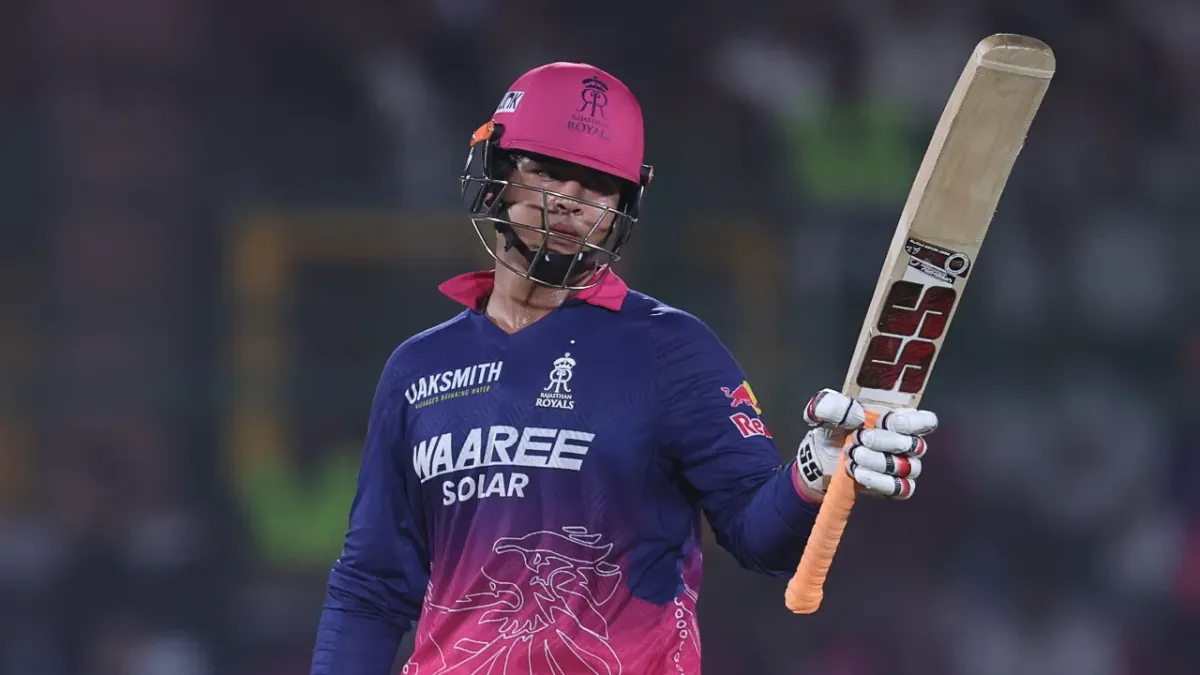
Sooryavanshi, playing for the Rajasthan Royals, has been in scintillating form during the 2026 IPL season. With 583 runs in just 14 matches and a staggering strike rate exceeding 200, his batting prowess is beyond doubt. However, Manjrekar argues that his growth as a cricketer is being stifled because he is frequently utilized only as an Impact Sub, effectively removing him from fielding duties and denying him the chance to develop into a well-rounded athlete.
Comparing Modern Trends to Legends of the Past
In a candid discussion on the Sportstar Inside Edge podcast, Manjrekar drew uncomfortable parallels between current IPL trends and the careers of legendary figures. He highlighted that when players are restricted to a single discipline—be it just batting or just bowling—they miss out on the fundamental rigors that define the sport. He noted, Players like Rohit, Inzamam: Vaibhav Sooryavanshi’s restricted growth in IPL concerns me because it mirrors a decline in the expectation of total contribution. He compared the current usage of Sooryavanshi to how Rohit Sharma has been utilized in recent high-pressure situations, where the focus remains exclusively on batting output rather than presence in the field.
Manjrekar stated, “Rohit Sharma scored 22 runs off 15 balls in the last game, and his contribution lasted for 15 balls. He will receive the full match fee. I don’t want to focus on the money part, but when you make easy money without putting in a hard effort, there is a need to question the model. You can’t achieve long-term success by following this trend.”
The Need for Holistic Development
The core of Manjrekar’s argument lies in the belief that a cricketer’s value is defined by their contributions across all disciplines. He reminisced about icons like Inzamam-ul-Haq, who were recognized not only for their batting brilliance but for their physical commitment to the team throughout the entire duration of a match. By segmenting the game, the Impact Player Rule creates “cameo” experts rather than complete cricketers.
- Skill Versatility: The rule discourages players from improving their fielding, as they are often substituted before the bowling innings.
- Long-term Career Impact: Players who rely solely on one skill may find themselves ill-equipped for international cricket, where the Impact Player Rule is non-existent.
- Game Integrity: The sport should challenge all aspects of an individual, including stamina, agility, and mental endurance across all phases of play.
Manjrekar pointed out that the Indian national team has tasted significant success in the T20 World Cup without relying on such a rule. He emphasized that even players like Shivam Dube, who are primarily known for their power-hitting, should be integrated into the game in a way that respects the full spirit of cricket. “For me, a cricketer is not there to come to the middle to play a cameo and then sit back to relax,” he remarked.
The Call for Structural Change
As the BCCI evaluates the future of the league, the voices calling for the removal of the Impact Player Rule are growing louder. Manjrekar’s plea is clear: the league must prioritize the comprehensive development of young talents like Sooryavanshi over short-term tactical advantages. If the rule persists, the fear is that the next generation will lack the defensive skills and physical longevity that previously defined the greats of the game.
Ultimately, cricket is a test of overall development. A bowler should not merely be a four-over specialist, and a batter should be an asset in the field. By moving away from restrictive roles, the IPL could ensure that its brightest stars continue to evolve into international-standard athletes, capable of performing in any condition and under any set of rules.