The Unfulfilled Dream of a Cricket Museum in Bangladesh
The Unfulfilled Dream of a Cricket Museum in Bangladesh
Every year on May 18, the world celebrates International Museum Day—a moment to reflect on how museums preserve culture, inspire unity, and connect generations. This year’s theme, “Museums Uniting a Divided World,” hits close to home for cricket-loving nations. In Bangladesh, no force unites people across religion, class, and politics more powerfully than cricket. And yet, the country still has no permanent museum dedicated to the sport that defines its national spirit.
A Nation United by Cricket, But Not by Legacy
Since independence, Bangladesh’s cricket journey has been a rollercoaster of hope, resilience, and triumph. From the agony of near-misses to the ecstasy of historic wins, the sport has shaped national identity. But despite decades of passion and progress, the Bangladesh Cricket Board (BCB) has no institutional archive. The stories, sacrifices, and memorabilia that should be preserved are fading—locked away in private collections or displayed only in fleeting exhibitions.
Cricket Heritage Around the World
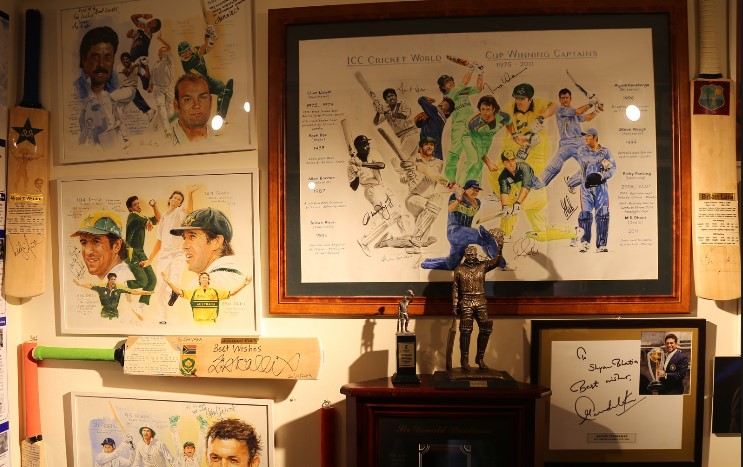
Compare this to other cricketing nations. The Marylebone Cricket Club (MCC) opened its iconic museum at Lord’s in 1953. Australia honors its legend Don Bradman with a dedicated museum. Sri Lanka launched its own Cricket Museum in recent years. Even private collectors have built public tributes: the Cricket Club Cafe in Colombo displays Sir Garry Sobers’ famed six-sixes bat; in Dubai, Sham Bhattia’s personal museum features every cricket great, including Bangladesh’s own Shakib Al Hasan; in Kolkata, historian Boria Majumdar’s Fanatic Sports Museum gives fans intimate access to historic letters and match-worn gear.
Meanwhile, Bangladesh’s footprint in global cricket history is reduced to a single bat at Lord’s—Aminul Islam Bulbul’s century-scoring weapon from our debut Test. Moments that electrified the nation—Shakib and Mushfiqur Rahim’s partnerships, the 2008 win over India—are commemorated abroad but not at home.
Temporary Triumphs, Lasting Regret
Efforts have been made. In 2011, Bangladesh’s first cricket memorabilia exhibition opened at the Russian Cultural Centre. Follow-up exhibitions at the National Museum and Drik Gallery showcased signed bats from Tendulkar, Lara, and Sobers; match balls from Warne, Wasim, and Ambrose; and historic gear from local heroes like Jewel, Tamim, Shakib, and Mushfiq. Jerseys, tickets, and equipment from rising stars like Litton Das and Shanto told a living story of evolution.
The public response was electric. Crowds poured in, eyes wide with pride and nostalgia. But once the exhibitions ended, these priceless artifacts returned to cardboard boxes—out of sight, at risk of being lost.
Time to Build a Home for History
A permanent cricket museum doesn’t need to start grand. A dedicated wing at the Sher-e-Bangla National Stadium could be the beginning. With proper curation, ticketing, and tourism integration, it could grow sustainably. What’s missing isn’t money, materials, or public interest—it’s political will.
The BCB and the Ministry of Youth and Sports have all they need: the history, the artifacts, and passionate people ready to curate. All that’s left is the decision to act.
As Pablo Picasso once said, “Give me a museum and I will fill it.” To Bangladesh’s leaders: give us a cricket museum. We will fill it—with pride, with memory, and with the heartbeat of a nation.