Explained: Why KL Rahul is missing the 3rd ODI against Afghanistan India’s Workload Management Strategy
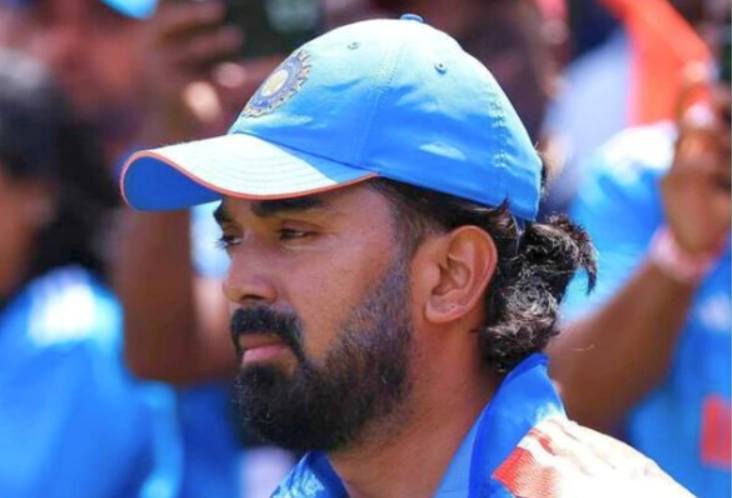
Understanding KL Rahul‘s Absence in the 3rd ODI
The cricketing world, especially ardent followers of the Indian team, experienced a moment of curiosity when the playing XI for the third and final One Day International (ODI) against Afghanistan was announced. Despite being a key player and reportedly fit, senior wicketkeeper-batter KL Rahul was conspicuously absent from the lineup. This decision, however, is not a cause for concern regarding any injury, but rather a strategic move by the team management.
Workload Management: A Modern Cricket Imperative
The primary reason behind KL Rahul’s absence is a well-considered workload management plan. With India having already secured the three-match ODI series with commanding victories in Dharamshala and Lucknow, the final fixture presented an opportune moment to rotate the squad. Modern international cricket schedules are relentlessly packed, and managing the physical and mental fatigue of key players has become as crucial as their on-field performance. This approach ensures that vital players remain fresh and perform optimally during more critical assignments later in the year.
Assistant coach Ryan ten Doeschate had hinted at such an experimental approach before the match, underscoring the team’s intention to provide valuable game time to a wider pool of players. This proactive strategy allows the coaching staff to assess the bench strength and different combinations without the immediate pressure of a series-deciding encounter.
Opportunities for the Bench Strength
Captain Shubman Gill confirmed three changes at the toss after Afghanistan elected to bowl first. While Rahul was granted a well-deserved break, the changes facilitated the return of all-rounder Nitish Kumar Reddy, who adds another seam-bowling option and crucial batting depth to the squad. Additionally, India also included Prasidh Krishna and Harsh Dubey, further demonstrating their commitment to evaluating fresh talent. These inclusions are vital for the team’s long-term planning, offering insights into players’ capabilities under international match conditions.
By giving these players a chance, the team aims to build a robust squad capable of handling various challenges and conditions. This depth is indispensable for any team with aspirations of success in multi-nation tournaments and major ICC events.
KL Rahul’s Role and Importance to the Squad
Despite being rested for this match, KL Rahul’s importance to India’s ODI setup remains undeniable. His performances in the first two matches of the series offered a glimpse into his capabilities. In the series opener at Dharamshala, Rahul played a blistering unbeaten knock of 39 runs off just 19 balls, efficiently closing out the chase. While he experienced a rare golden duck in Lucknow, one less-than-stellar outing does not diminish his established value.
Over the years, Rahul has cemented his position as one of India’s most reliable middle-order batters in the 50-over format. His calm demeanor under pressure, coupled with his ability to accelerate the scoring rate when required, makes him a versatile asset. Furthermore, his experience behind the stumps provides an invaluable option for team balance, allowing for greater flexibility in squad selection. His presence stabilizes the middle order and provides a crucial anchor for the innings, whether setting a target or chasing one.
Strategic Intent Beyond the Series Victory
Speaking at the toss, Captain Gill acknowledged that India would have preferred to bat first, but he also highlighted the benefit of chasing a total, providing another useful challenge for the team. With the immediate pressure of securing the series lifted, the third ODI transformed into a significant opportunity for evaluation and experimentation.
This match served as a crucial platform to fine-tune strategies, test new players, and maintain the winning momentum before a demanding international season ahead. The insights gained from such opportunities are invaluable for the coaching staff and selectors as they prepare for tougher assignments and major tournaments. The focus shifts from merely winning a bilateral series to building a formidable and adaptable squad for future challenges, ensuring that every player is in peak condition when it matters most.