IPL Social Media Controversy: Arun Dhumal Addresses BCCI Player Guidelines
The Growing Concern Over IPL Player Conduct
The 2026 edition of the Indian Premier League (IPL) has been defined as much by its off-field headlines as its on-field heroics. As the tournament progressed, the Board of Control for Cricket in India (BCCI) found itself compelled to issue a comprehensive 7-page advisory to franchises, aiming to curb a rising tide of controversies that threatened the reputation of the league. From vlogging culture to alleged disciplinary lapses, the BCCI is taking proactive steps to ensure that the focus remains firmly on cricket.
The BCCI Advisory: A Reminder of Standards
The directive issued by the board touched upon several sensitive areas. Concerns regarding potential honey-trapping, restrictions on players’ partners traveling with the team, and a clampdown on the ‘reel culture’ and vlogging were key highlights. Furthermore, the advisory reinforced strict protocols regarding player movement, specifically prohibiting team members from leaving hotel rooms or inviting unauthorized guests without explicit permission from team management.
These measures did not appear in a vacuum. The 2026 season saw several high-profile incidents that necessitated a firm response. Whether it was a team manager caught using a phone in the dugout or a star player seen vaping in the dressing room—a practice illegal in India—the frequency of these events prompted the BCCI to remind all stakeholders of their professional obligations.
Arun Dhumal: Integrity Above All
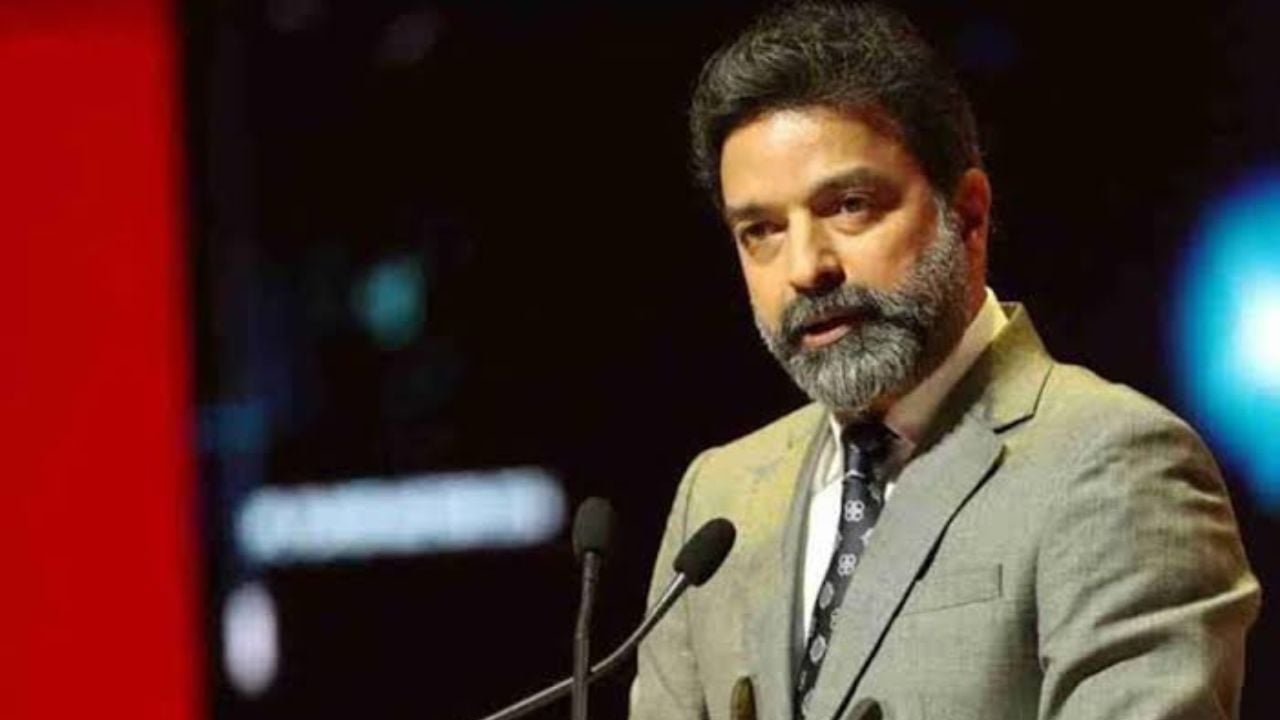
IPL Governing Council Chairman Arun Dhumal, while speaking on the sidelines of a match in Dharamsala, shed light on the board’s position. He clarified that the advisory was less of a ‘new policy’ and more of a stern reminder of existing standards. According to Dhumal, the goal is not to police every movement of the players but to ensure the absolute integrity of the tournament.
“Most of the things that happen on social media, one cannot always be sure about the authenticity or how true they are,” Dhumal remarked. “But whatever we need to do in terms of keeping the integrity of the game intact, we do our level best.” He acknowledged that while social media often amplifies situations beyond their reality, the board remains committed to maintaining the sanctity of the game through a collective effort with the franchises.
Is a Social Media Ban Imminent?
When pressed on whether the BCCI intends to implement a total ban on players using social media during the IPL, Dhumal adopted a philosophical perspective. Rather than imposing a restrictive mandate, he expressed a personal disdain for the medium, labeling it “the most anti-social thing.” However, he stopped short of suggesting that the board would force players to delete their accounts.
Dhumal believes that the players themselves will eventually recognize the diminishing returns of digital validation. “People would eventually understand. People get the fancy of this thing for some time, but eventually, you understand that it is the real human values and human relationships that matter,” he added. His stance suggests that the BCCI prefers to foster a culture of personal responsibility rather than resorting to draconian bans, banking on the professional maturity of the athletes.
The Road Ahead for IPL Franchises
The current climate surrounding the IPL highlights the unique challenges of managing modern-day cricketers who are also influencers in their own right. With platforms like Instagram and YouTube playing a massive role in a player’s public persona, striking a balance between personal expression and team discipline is an ongoing battle. The BCCI remains confident that, despite the recent controversies, the franchises understand their responsibilities. By reinforcing these guidelines, the board hopes to ensure that the IPL remains a spectacle of elite sport, untainted by the distractions of the digital age. As the tournament moves toward its climax, all eyes will be on how teams balance their public profiles with the high standards expected by the governing body.