IPL 2026 Final Under Threat: Empty Stadiums Loom Amidst National Crisis
IPL 2026 Final Under Threat: Empty Stadiums Loom Amidst Geopolitical Tensions and Energy Conservation Directives
The grandeur of the Indian Premier League (IPL) 2026 final, traditionally a spectacle of packed stadiums and fervent fan energy, faces an unprecedented challenge. Scheduled to culminate at the iconic Narendra Modi Stadium in Ahmedabad, the tournament’s climax is now shadowed by the very real possibility of being played behind closed doors. This stark prospect arises from a confluence of emerging geopolitical tensions and a nationwide push for energy conservation, placing the Narendra Modi government in a delicate position as it navigates both national priorities and the immense popularity of India’s premier domestic cricket league.
The discussions are not limited to the final alone. Reports suggest that the entire playoff schedule for IPL 2026 could undergo significant adjustments. As the league approaches its crucial business end, these critical issues are slated for urgent deliberation among all key stakeholders. While no official directive has yet been issued by the Government of India, informed sources indicate that significant developments are actively being considered to address the evolving situation.
Government Priorities and the IPL’s Economic Significance
Prime Minister Narendra Modi has recently highlighted pressing concerns over travel logistics and the extensive consumption of fuel. In a nation where economic stability and resource management are paramount, the Indian Premier League stands as one of the most significant revenue-generating events. Its massive scale, involving numerous teams, extensive travel, and large gatherings, inherently comes with a substantial logistical and environmental footprint. Balancing this economic powerhouse with national imperatives presents a complex dilemma for policymakers.
IPL Chairman Confirms Adherence to Government Guidance
In light of the escalating crisis, IPL chairperson Arun Dhumal has publicly affirmed the league’s commitment to following any instructions issued by the government. Speaking to The New Indian Express, Dhumal clarified the Board of Control for Cricket in India’s (BCCI) position:
“So far, there has not been any communication to the BCCI to my knowledge. Independent agencies might have their views on certain things, but we are accountable to the Government of India. If anything comes from the government, we will look into it and certainly adhere to the directions.”
This statement underscores the BCCI’s readiness to align with national interests, even if it means altering the traditional format of its most prestigious tournament. Dhumal’s comments highlight the hierarchical nature of such decisions, placing government directives above independent agency recommendations, and emphasize the BCCI’s role as a responsible sporting body within the national framework.
Energy and Fuel Conservation: A National Imperative
The impetus for potential changes largely stems from a concerted effort to promote energy and fuel conservation across the nation. According to a report from TNIE, CTI Chairman Brijesh Goyal has formally urged Sports Minister Mansukh Mandaviya to reconsider the IPL schedule. Goyal’s appeal is rooted in the broader national agenda of encouraging conservation measures, specifically citing the extensive fuel usage and travel frequency associated with the tournament.
This call to action gained significant momentum following Prime Minister Narendra Modi’s public appeal on May 10, 2026, during a rally in Sikandarabad. The Prime Minister’s address underscored the urgent need for major energy-saving and fuel conservation initiatives nationwide. Goyal meticulously pointed out the vast scale of travel undertaken by IPL teams since the season commenced on March 28. Teams traverse extensively via both air and road, contributing significantly to fuel consumption.
“Cutting down on air travel, matches without spectators and at limited venues will save millions of litres of fuel, petrol and diesel and reduce the burden on the country. Even during the pandemic, the BCCI did the same,” Goyal asserted, drawing parallels to previous instances where the BCCI adapted to national emergencies.
The argument posits that reducing non-essential movement and limiting spectator presence could yield substantial national savings in vital resources, aligning the IPL’s operations with the broader governmental mandate.
Learning from International Precedents: The Pakistan Super League Experience
The possibility of the IPL final being played without spectators draws a striking parallel with an earlier crisis faced by a neighboring cricketing nation. Pakistan, too, was hit by a severe energy crisis, which compelled its premier T20 league, the Pakistan Super League (PSL), to dramatically restrict its operations. During that period, the PSL was confined to just two venues to manage the overwhelming national fuel crisis.
Furthermore, the Pakistan Super League was also forced to play matches behind closed doors. This decision was a direct consequence of stringent fuel restrictions and advisories against non-essential movement issued by the Pakistani government and the Pakistan Cricket Board. The result was the surreal sight of empty stadiums hosting high-stakes cricket matches, a scenario that could potentially be replicated in India.
Prime Minister Narendra Modi’s recent public call to promote work-from-home policies and prioritize energy and fuel conservation echoes the circumstances that led to the PSL’s difficult choices. This historical precedent adds weight to the growing speculation that a similar, albeit temporary, approach might be adopted for the IPL 2026 playoffs and final.
The Potential Ramifications: What Might Happen Next?
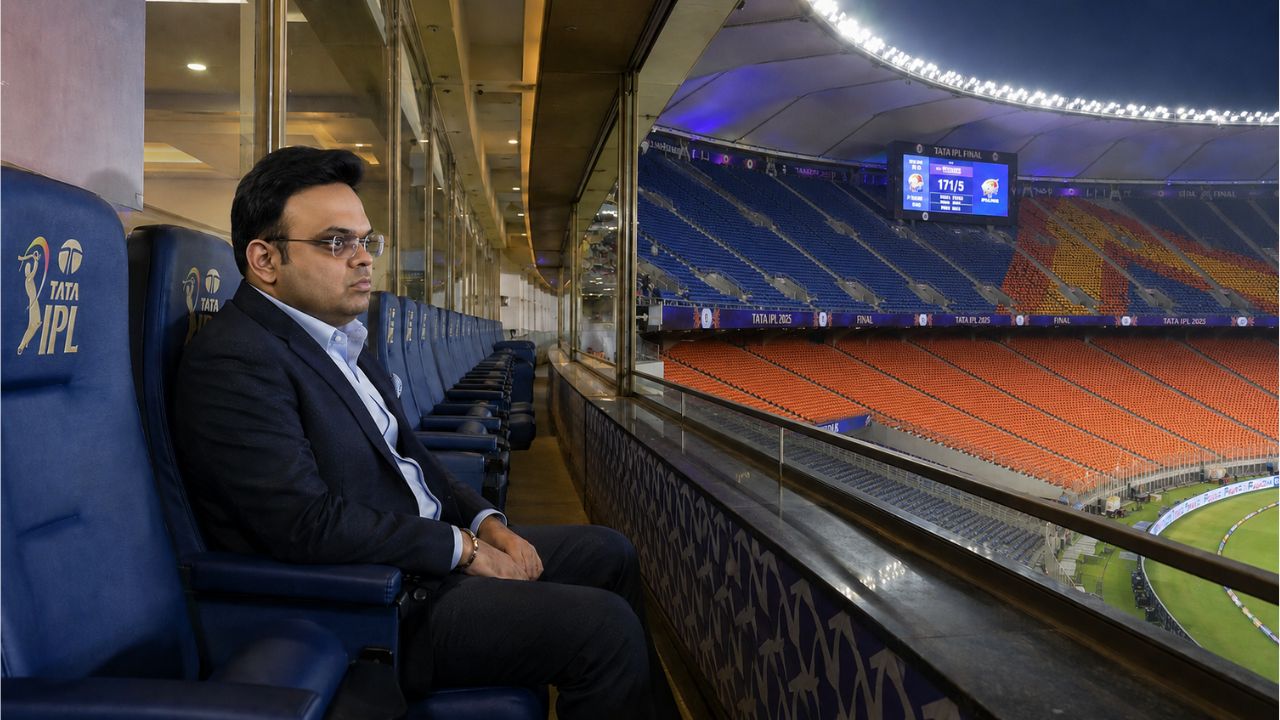
Should the government’s directives materialize, the IPL 2026 final and its preceding playoff matches could indeed be staged in empty stadiums. This scenario would mean that while the electrifying atmosphere of live spectators would be absent, the matches themselves would proceed. Fans would still be able to follow every boundary, wicket, and strategic move through live broadcasts on television and various streaming platforms. However, the energy and vibrance that define an IPL match, particularly the final, would undoubtedly be diminished without the roar of the crowd.
As of now, the Board of Control for Cricket in India has maintained a cautious stance, refraining from issuing any official response or making premature announcements. IPL organizers are reportedly closely monitoring the evolving situation, waiting for clear directives before implementing any significant adjustments to the playoffs schedule. This period of watchful waiting reflects the gravity of the potential changes and the complexity involved in rescheduling or altering such a high-profile event.
The final decision will undoubtedly weigh the immense economic and entertainment value of the IPL against critical national priorities. Cricket enthusiasts across the globe, especially in India, remain hopeful for a resolution that allows the IPL to conclude its season in a manner befitting its stature, while understanding the broader implications of national resource management.
Jay Shah Watching IPL Final Alone In Narendra Modi Stadium. Image Credits: ChatGPT