A Rising Star and a Selection Conundrum
As the Indian cricket team sets its sights on the long-term goal of the 2027 ODI World Cup, the recent 3-0 series sweep against Afghanistan has provided more than just a victory; it has presented the leadership with a delightful dilemma. Shubman Gill, leading the side with a clear eye on the future, has openly acknowledged that having too many in-form players is a challenge he is happy to face. Specifically, Gill toasts a top-order headache after Jaiswal’s century, which reinforced the young opener’s undeniable pedigree in the 50-over format.
Yashasvi Jaiswal‘s Resurgence
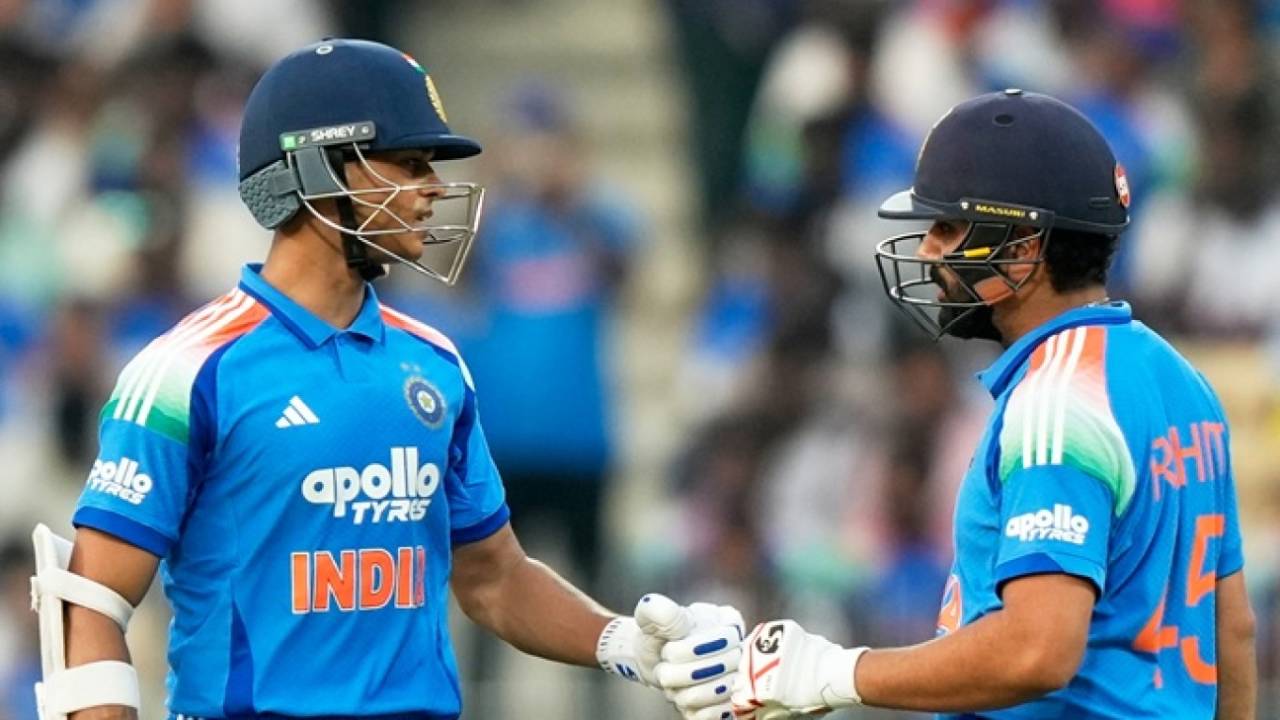
After a disappointing outing in the second ODI in Lucknow, Yashasvi Jaiswal silenced any lingering doubts about his one-day capabilities with a commanding, unbeaten century in the third and final ODI in Chennai. The innings was a masterclass in pacing, especially when combined with the experience of Rohit Sharma, who contributed a composed 79 off just 69 balls to help India chase down a target of 219 with ease.
Jaiswal’s journey in the ODI setup has been intermittent, having previously impressed with a 116-run knock against a formidable South African attack in Vizag last December. Despite being sidelined shortly after that performance, Jaiswal remains focused on his development. Reflecting on his success, Jaiswal credited the team management for their consistent support and clear communication, noting that he is simply focusing on the processes within his control.
Deepening the Talent Pool
The competition for the opening slots is intensifying, with assistant coach Ryan ten Doeschate confirming that the management is also keeping a close watch on B. Sai Sudharsan as a potential long-term opener. This depth is exactly what the selectors were hoping for as they prepare for the upcoming tour of England. Gill emphasized that with the squad announcement approaching, the focus will remain on fitness and identifying the best possible playing XI to represent the country.
“It’s a good kind of headache having all the players that are performing,” Gill remarked following the series victory. “We will see the squad for England and we will put out our best XI. If everyone is fit, we will see who is in the squad and try to make the best XI possible.”
Emerging Fast Bowling Talent: Gurnoor Brar
Beyond the batting fireworks, the series provided a platform for young fast bowler Gurnoor Brar. As the highest wicket-taker of the series, the 21-year-old showcased his ability to hit speeds exceeding 145kph and generate steep bounce. While Gill admits Brar is not yet the finished article—citing some inconsistency and a tendency to leak runs—he is highly encouraged by the raw potential on display. The captain believes that the learning curve for a young, tall pacer is steep, but Brar’s performance suggests a bright future provided he gains more high-level experience.
The Rise of the Allrounder
Another significant positive for the Indian setup is the emergence of left-arm fingerspinner Harsh Dubey. Known for his disciplined lines and lengths, Dubey impressed during the series even in conditions that did not favor spin bowling. While he was not required to contribute with the bat, his domestic record—which includes nine first-class fifties and three half-centuries in white-ball cricket—marks him as a legitimate all-round prospect.
Gill sees immense value in nurturing players like Dubey, categorizing him alongside established names like Axar Patel and Ravindra Jadeja. The captain believes that having a pool of capable left-arm allrounders provides the team with the tactical flexibility to handle high-pressure scenarios, such as needing to chase 80 runs in the final ten overs. By fostering confidence in these young players, India is building a robust foundation that ensures the side remains competitive, regardless of the individual personnel on the field.
As the team transitions toward the next cycle of international fixtures, the message from the leadership is clear: no position is guaranteed, and every performance contributes to a larger vision of success. With the depth of talent currently available, India appears well-positioned to handle the challenges of the modern game, turning potential headaches into strategic advantages.