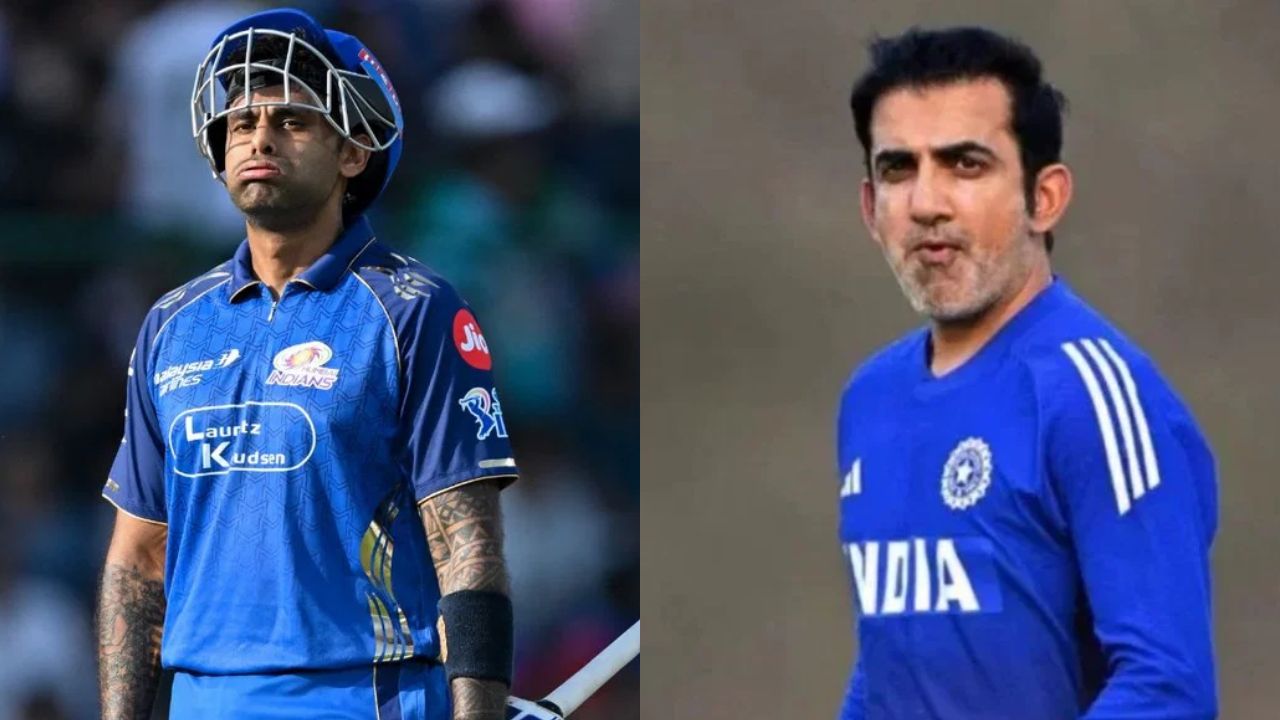
Gautam Gambhir to Decide Fate of Suryakumar Yadav as T20I Captain
The Uncertain Future of India’s T20I Leadership
In a development that has sent ripples through the Indian cricketing fraternity, reports suggest that the tenure of Suryakumar Yadav as the captain of the Indian T20I side is approaching a critical juncture. The national selection committee, in consultation with head coach Gautam Gambhir, is reportedly weighing the possibility of relieving Yadav of his leadership duties, and perhaps even his spot in the playing XI, due to an extended period of underwhelming performances.
While Suryakumar Yadav has long been hailed as India’s ‘Mr. 360’ and a vital cog in the team’s white-ball setup, the cold reality of professional cricket demands consistency that has recently eluded the star batter. The relationship between Gambhir and Yadav, built on years of trust and success in domestic and international circuits, remains a significant factor in the equation, yet the selectors appear increasingly inclined to prioritize the long-term future of the team over historical loyalty.
A Concerning Downward Trend in Performance
The numbers paint a stark picture of Yadav’s struggle. Since the Asia Cup 2025, where he managed an average of only 18 runs across six matches despite leading the team to a trophy, his form has been in a steady decline. The subsequent series against Australia saw him amass only 84 runs in four outings, a performance that further intensified the spotlight on his technical shortcomings.
The T20 World Cup 2026 proved to be another chapter of disappointment for the Mumbai-born cricketer, as he scored 242 runs in nine innings at an average of 30.25. Perhaps most alarmingly, his strike rate—a statistic that defined his rise to fame—dropped to 136.72, signaling a lack of rhythm. These issues persisted into the IPL 2026 season, where he could only muster 210 runs from 12 matches, averaging a meager 17.50 with a strike rate of 148.94 for the Mumbai Indians.
The Selector’s Dilemma
Reports from The Economic Times suggest that all five members of the national selection committee have expressed reservations regarding Yadav’s inclusion in the playing XI. The board’s focus has shifted towards the broader horizon, specifically eyeing the Los Angeles 2028 Olympics and future World Cup cycles. A senior BCCI source quoted by PTI shed light on the internal sentiment: “Initially the selectors thought that IPL would help Suryakumar regain form… but strangely there hasn’t been any technical course correction. Selectors don’t see him playing the Los Angeles 2028 Olympics. It is as simple as that.”
The criticism centers on his inability to handle straight, hard-length deliveries from pacers, a technical flaw that opposition bowlers have consistently exploited. For a player who once dominated every corner of the ground, this vulnerability has become a major talking point among pundits and those responsible for team selection.
Who Could Be Next in Line?
As the potential end of the Suryakumar Yadav era looms, speculation regarding his successors has naturally intensified. Two names have emerged at the forefront of the conversation: Shreyas Iyer and the young, promising Tilak Varma. The board is taking a proactive approach to grooming future leaders, as evidenced by the decision to appoint Tilak Varma as captain for the upcoming tri-nation A series. This move is widely seen as a test of his leadership credentials, providing the selectors with a firsthand view of his tactical acumen under pressure.
The transition phase within Indian cricket is in full swing under Gautam Gambhir’s stewardship. While Gambhir’s personal bond with Yadav remains a factor, the pressure from the selection committee and the weight of current statistics present a formidable challenge. The final decision will inevitably fall on Gambhir, whose vision for the team will dictate whether India sticks with their experienced skipper or pivots toward a new era of leadership.
Ultimately, Indian cricket stands at a crossroads. As the power dynamics shift and the team prepares for the challenges of the next three years, the coming weeks will be crucial in defining the path forward for both Suryakumar Yadav and the national team.