Jurel: ‘I am meant to keep the ship steady and take it forward’ – Dhruv Jurel: The Steady Hand Behind Rajasthan Royals’ IPL 2026 Success
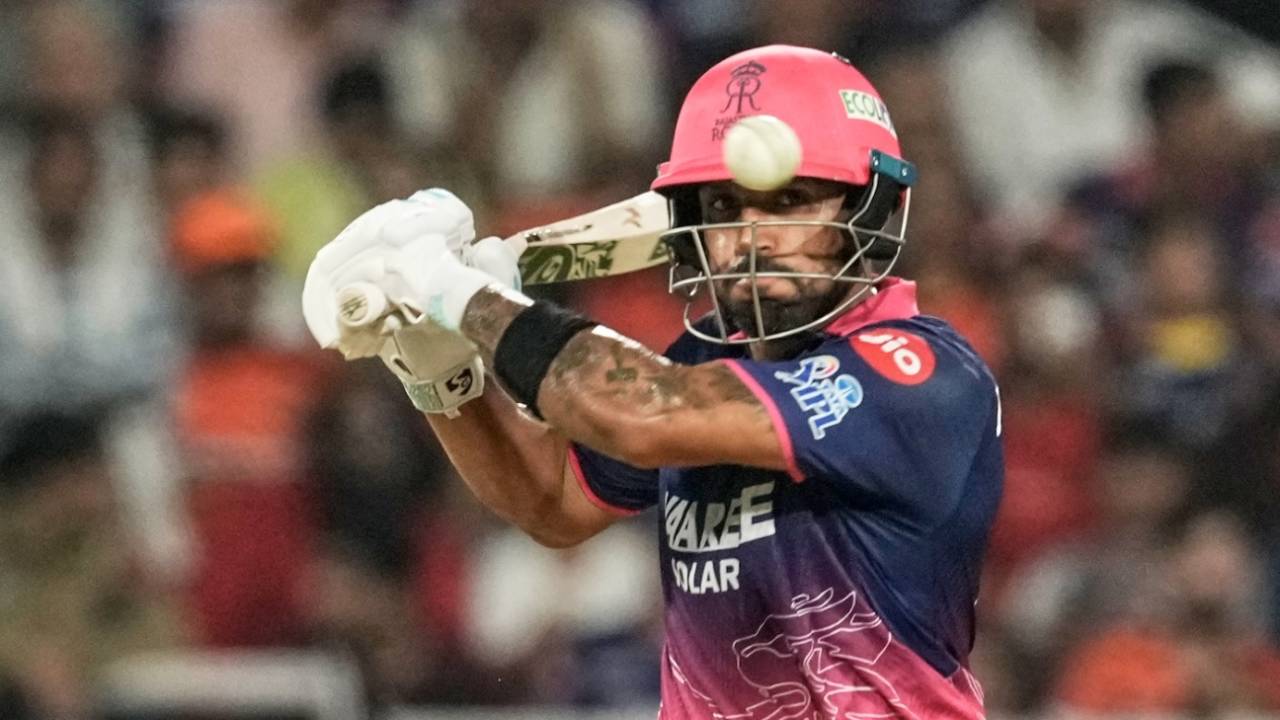
The Quiet Architect of Rajasthan’s Success
In the high-octane environment of the Indian Premier League, the limelight often shifts rapidly toward those who clear the ropes with brute force. Yet, amidst the explosive batting displays of Vaibhav Sooryavanshi and Yashasvi Jaiswal, Dhruv Jurel has carved out a role that is both subtle and indispensable. As the Rajasthan Royals navigate the pressure of the IPL 2026 playoffs, Jurel has emerged as the stabilizing force, the man tasked with keeping the ship steady while others look to accelerate.
The Eliminator against Sunrisers Hyderabad provided a perfect microcosm of Jurel’s value. While Sooryavanshi was busy dismantling the opposition with a blistering 97 off just 29 balls, Jurel’s own 21-ball 50 served as a crucial bridge. If you strip away the 147 runs those two generated in a mere 50 balls, the rest of the lineup struggled to find rhythm. It was, as former cricketer Ambati Rayudu noted, a match-winning contribution that provided the extra buffer needed in a format where no target feels truly safe.
The Art of the ‘Steady’ Knock
Rayudu, speaking on ESPNcricinfo TimeOut, was quick to highlight that Jurel’s role is far from secondary. “A 20-ball 50 is always brilliant,” Rayudu observed. “On any surface, if you can get that, it is always above par. It looks like second fiddle to what Sooryavanshi did, but this knock in itself, I would rate it as high as a match-winning knock.”
For Jurel, the No. 3 spot in the batting order has been an evolving responsibility. It is a position that demands versatility—the ability to anchor an innings during a collapse or maintain momentum when the openers have provided a flying start. With 508 runs at a strike rate of 155.35 this season, Jurel has statistically outpaced some of his more celebrated peers, proving that his approach is not just sustainable, but highly effective.
Tactical Maturity in a Volatile Format
When questioned about cementing his place at No. 3, Jurel remains refreshingly humble and pragmatic. He views the position not as a fixed destination, but as a tactical assignment. “T20 has become the toughest format now,” Jurel explained in a recent press conference. “Even if you score 240, 250, it’s not safe. What I want to be is the sort of player who can bat at three, five, seven, anywhere, and whatever the match situation is, read it well and win the game.”
This adaptability is born out of a calculated mindset. When partnered with aggressive strokemakers like Sooryavanshi and Jaiswal, Jurel prioritizes partnership building over mindless slogging. He understands that the risk of losing quick wickets during an explosive phase is high, and his role is to act as a buffer. By building a platform, he ensures that the lower-middle order isn’t forced to walk out under undue pressure during the middle overs.
The Culture of Fearlessness
Beyond the technical side, Jurel attributes his current form to the culture cultivated by the Rajasthan Royals’ management. The team has fostered an environment where players feel backed, regardless of individual fluctuations in form. This confidence, Jurel suggests, is the secret behind the team’s fearless brand of cricket.
“Everyone is becoming fearless in terms of batting, and it comes from the support staff, how they back the players,” he said. “If someone says you are going to play 14 matches, I am going to play differently. So that is the mantra behind it. They back you.”
Looking Ahead
As the Royals head into Qualifier 2, the team finds itself in a favorable position, largely thanks to the balance provided by players like Jurel. While the headlines may focus on the strike rates of 242.85, the true story of RR’s 2026 campaign lies in their ability to blend raw aggression with the calm, tactical intelligence that Jurel brings to the crease. In a game that often rewards the biggest hitters, the man who knows how to steer the ship remains the most valuable asset of all.