Jacob Bethell Stance Leads To Massive Fight Between England and Australian Legen – Cricket Legends Clash: Cook, Pietersen, Gillespie Debate Jacob Bethell’s IPL Future
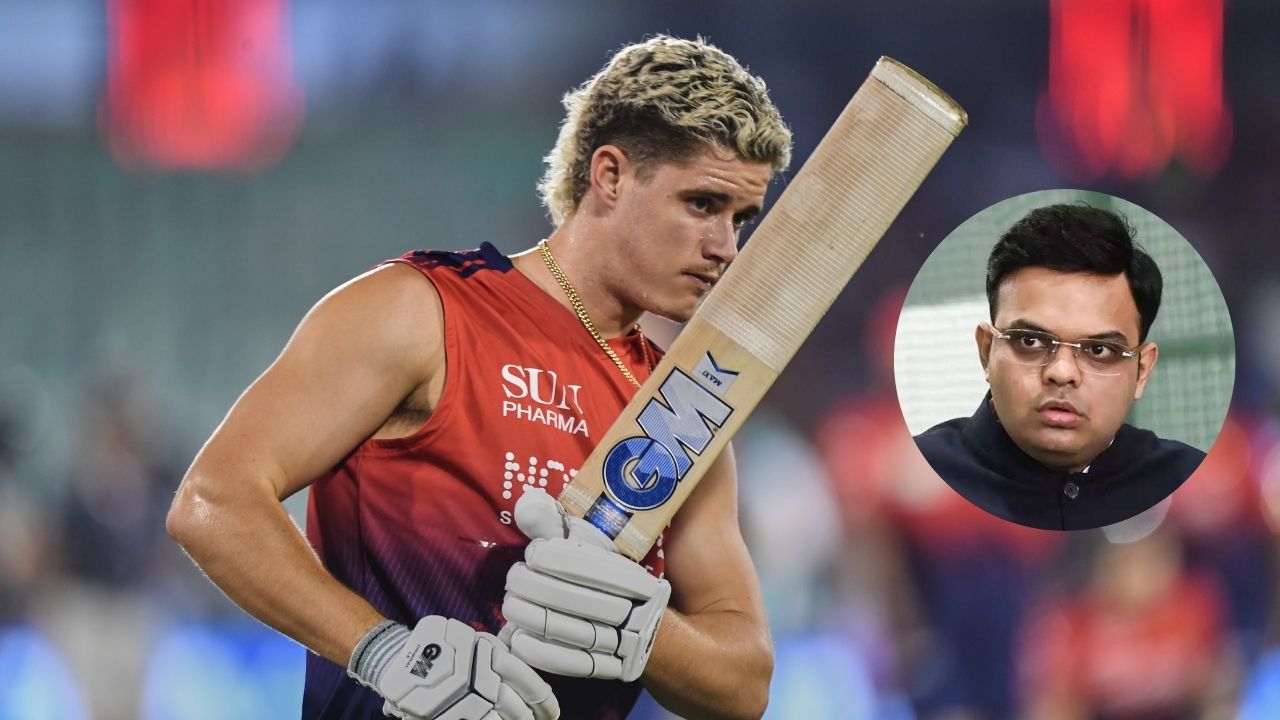
The cricketing world is abuzz with a fiery debate involving three titans of the sport: former England captains Alastair Cook and Kevin Pietersen, alongside former Australian pacer Jason Gillespie. At the core of their heated exchange is the career trajectory of young England all-rounder Jacob Bethell and the perennial conflict between the Indian Premier League (IPL) and domestic county cricket.
Alastair Cook’s Initial Suggestion: Prioritizing County Cricket
The controversy began when Alastair Cook, a celebrated figure in English cricket, voiced his opinion regarding Jacob Bethell. Bethell, currently part of the Royal Challengers Bengaluru (RCB) franchise in the IPL 2026, has found himself warming the bench, with RCB opting for the established opening pair of Phil Salt and Virat Kohli. Cook, appearing on the “Stick to Cricket” podcast, argued that while the IPL environment undoubtedly offers valuable learning experiences, tangible match practice remains paramount for a young player’s growth.
“Jacob Bethell shouldn’t really be there because he’s not opening. He’s sitting at the IPL, not doing anything. Ideally, he could come back and open for Warwickshire to help England,” Cook asserted, emphasizing the importance of active participation over passive observation for development.
Kevin Pietersen’s Fiery Rebuttal: The Unseen Value of IPL Immersion
Cook’s former England teammate and fellow ex-captain, Kevin Pietersen, was quick to vehemently disagree. Pietersen, a long-standing and vocal advocate for the IPL, has historically clashed with the England and Wales Cricket Board (ECB) over players’ participation in the league, even during its nascent stages in 2008. His stance has always been that the IPL provides an unparalleled platform for learning from the world’s best.
Pietersen, who himself played for and captained Royal Challengers Bengaluru in the IPL 2008, urged Jacob Bethell to remain in India with the RCB squad, irrespective of his playing time. He openly accused Cook of failing to grasp the profound benefits of being immersed in an IPL dressing room. “Stay in India, Jacob. Even though you’re not playing, you’re learning and will be a way better player,” Pietersen posted on X, directly challenging Cook’s perspective. He further added, “Alastair Cook has absolutely NO IDEA what it’s like to be in the IPL.”
For Pietersen, the exposure to diverse cultures, strategic discussions, and the sheer professionalism within an IPL setup offers lessons that transcend mere on-field game time. It’s about understanding the pressure, the dynamics, and the meticulous preparation that goes into elite T20 cricket.
Jason Gillespie Enters the Fray with a Scathing Attack on Pietersen
Just when the debate seemed confined to former English captains, former Australia pacer and current Pakistan head coach, Jason Gillespie, threw his hat into the ring, intensifying the discussion. Appearing on “The Fast Bowling Cartel” podcast alongside Glenn McGrath and Damien Fleming, Gillespie lambasted Pietersen’s dismissive critique of Cook, defending Cook’s initial point as entirely reasonable.
“The nerve of Sir Alastair Cook to suggest something like that. KP has gone off the deep end and stated that Sir Alastair Cook’s opinion doesn’t matter because he’s never been to the IPL and would not know. I think Sir Alastair Cook had a valid point, but the way KP absolutely hammered him for having an opinion—give me a spell, boys. Absolute nonsense,” Gillespie stated, clearly siding with Cook and condemning Pietersen’s aggressive tone.
Gillespie didn’t stop there. He took a direct swipe at Pietersen’s past, particularly his self-proclaimed role in pioneering players’ prioritization of franchise cricket. With cutting sarcasm, Gillespie remarked, “He reckons he would have played 150 Tests or more. He’s the one who paved the way. Thank you, Kevin, for the stars above, the sun, the moon, the earth we walk on, and the air we breathe. It was all about cash for you, Kev. Give me a break, you muppet.” This pointed jab underscored Gillespie’s belief that Pietersen’s motivations were often financially driven, a common criticism leveled against players who seemingly choose franchise leagues over national duties.
The Enduring IPL vs. Country Conundrum
This heated exchange between cricketing legends highlights an ongoing and often contentious debate within the sport: the balance between playing for one’s country or county and participating in lucrative global T20 leagues like the IPL. Cricket boards worldwide grapple with managing player availability, contracts, and loyalty.
- Boards Maintaining Control: Some established cricketing nations, such as Australia and England, have historically managed to retain their top talents through attractive central contracts, often requiring players to prioritize national duties over franchise commitments. This approach aims to safeguard the integrity and competitiveness of their international and domestic structures.
- Boards Facing Challenges: Conversely, several other boards, notably those in South Africa and the West Indies, have faced significant challenges. Many of their star players have opted out of international commitments, or chosen to play a reduced schedule, to participate in the IPL and other T20 leagues globally. This trend underscores the immense financial pull and career opportunities that franchise cricket now offers, often outweighing traditional national pride for individual players.
The financial incentives, combined with the high-stakes, competitive environment of leagues like the IPL, make them incredibly appealing. Players not only earn substantial sums but also gain invaluable experience playing alongside and against the world’s elite cricketers.
The Undeniable Value of IPL Exposure for International Players
Beyond the financial aspect, playing in the IPL offers foreign players crucial developmental benefits, particularly concerning conditions in the subcontinent. Exposure to Indian pitches, which often offer unique challenges for pace and spin, provides an education that is difficult to replicate elsewhere. Players learn to adapt their techniques, strategies, and mental approach to these specific conditions.
Many foreign cricketers have attested to how their IPL experience has directly translated into improved performances when representing their countries in India or other subcontinent nations. The ability to understand pitch behavior, counter local spinners, and navigate high-pressure situations against top-tier Indian talent is an invaluable asset. This practical learning often results in better individual and team outcomes when these players face India on their home turf.
Conclusion: A Debate That Continues to Shape Cricket’s Future
The passionate disagreements among Alastair Cook, Kevin Pietersen, and Jason Gillespie underscore that the IPL vs. country debate is far from settled. As franchise cricket continues to expand its global footprint and influence, cricket boards, players, and fans alike will continue to grapple with the evolving landscape of the sport. While some prioritize the development gained from consistent match play in traditional formats, others champion the high-level exposure and learning available even from the sidelines of the world’s premier T20 league. Ultimately, finding a harmonious balance remains one of cricket’s most significant challenges as it marches further into the 21st century.