A Grand Scale of Competition
The 2026-27 Indian domestic cricket season is set to be an absolute marathon of talent scouting and high-stakes competition. With a staggering 1788 matches scheduled across various formats, genders, and age groups, the Board of Control for Cricket in India (BCCI) is doubling down on its commitment to the domestic structure. The action kicks off on August 23 with the prestigious men’s Duleep Trophy, which will feature six zonal teams battling for supremacy.
The Traditional Pathway and Ranji Trophy Structure
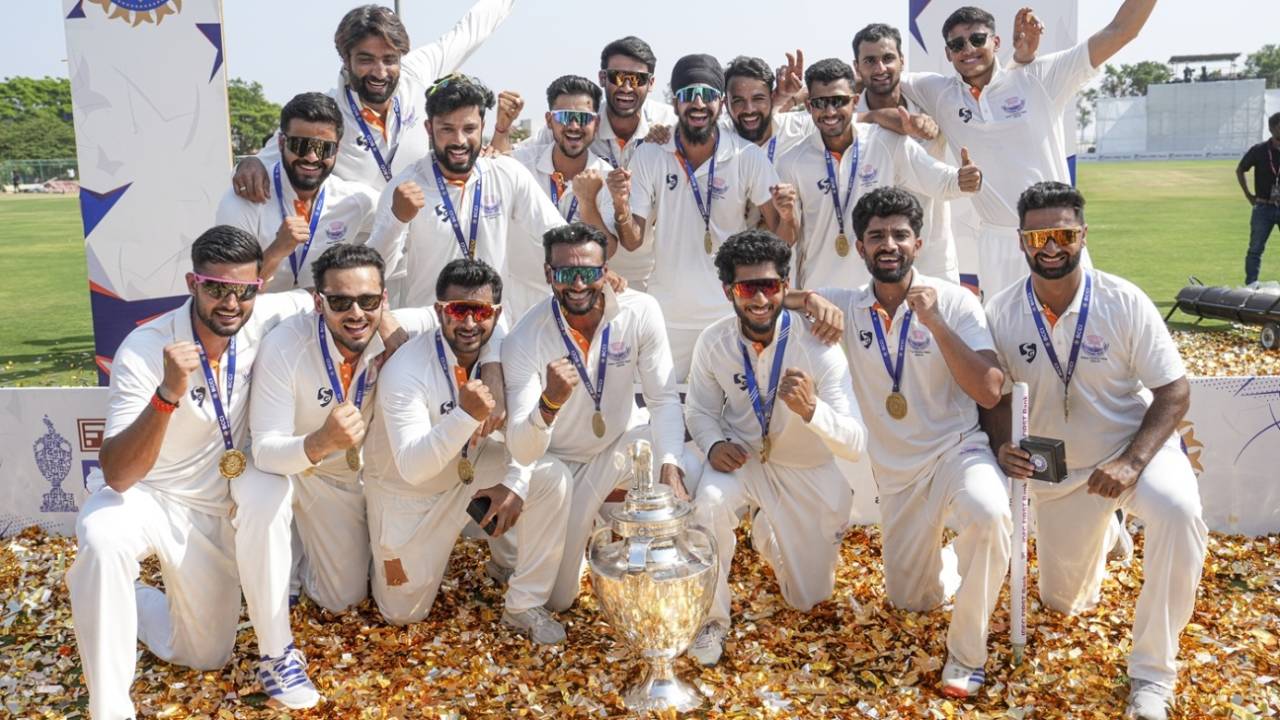
Following the Duleep Trophy, the spotlight shifts to the Irani Cup starting October 1. This historic fixture will see the defending Ranji Trophy champions, Jammu & Kashmir, face off against a Rest of India squad. The Ranji Trophy itself continues its successful two-phase format, maintaining the split between the 32-team Elite group and the six-team Plate group.
To accommodate the diverse calendar, the Ranji Trophy will be played in two distinct blocks: the first running from October to November 2026, and the second from January to February 2027. In the gap between these phases, the domestic circuit will host the Syed Mushtaq Ali (T20) Trophy and the Vijay Hazare (List A) Trophy, ensuring that players remain sharp across all three formats of the game.
Enhanced Platforms for Emerging Talent
One of the most notable updates for the upcoming season is the introduction of a new fixture: the winners of the Under-23 Col CK Nayudu Trophy will now take on a Rest of India squad. This initiative is designed to provide an enhanced competitive platform for emerging Under-23 cricketers, bridging the gap between youth cricket and the senior professional level. Additionally, the Men’s U-23 State A Trophy and the university-level Vizzy Trophy are undergoing a format shift, moving from one-day matches to the high-intensity T20 format.
The Women’s Domestic Expansion
The women’s circuit is equally robust, beginning in October with the Senior Women’s T20 Trophy. This will be followed by the Senior Women’s Inter-Zonal Trophy. As the season progresses into the winter months, the focus shifts to the longer white-ball formats, with the Senior Women’s One-Day Trophy and the Inter-Zonal One-Day Trophy scheduled between December and February. Age-group tournaments for women have also been strategically placed from November to January to ensure consistent development cycles.
Logistics and Strategic Scheduling
The BCCI has taken a pragmatic approach to weather-related disruptions. Recognizing the challenging conditions in various parts of the country during January, the Under-19 Cooch Behar Trophy (Elite group) will be hosted entirely in Bengaluru and Mysuru. Furthermore, the Under-16 Vijay Merchant Trophy has been moved forward to a November-to-January window. This adjustment is aimed at allowing for improved scheduling and more comprehensive player preparation, ensuring that the next generation of stars is not hindered by environmental factors.
A Statement of Commitment
In an official statement released on Wednesday, the BCCI emphasized that the 2026-27 domestic season reflects their continued dedication to building a strong and competitive domestic structure. By balancing progression across different formats and ensuring that every level—from university squads to the Ranji elite—has a defined pathway, the board aims to keep Indian cricket at the forefront of the global game. As the season approaches, players, selectors, and fans alike look forward to what promises to be one of the most comprehensive and well-structured domestic cycles in recent history.