“I’m still trying to find ways” – Ajit Agarkar makes honest admission about drop
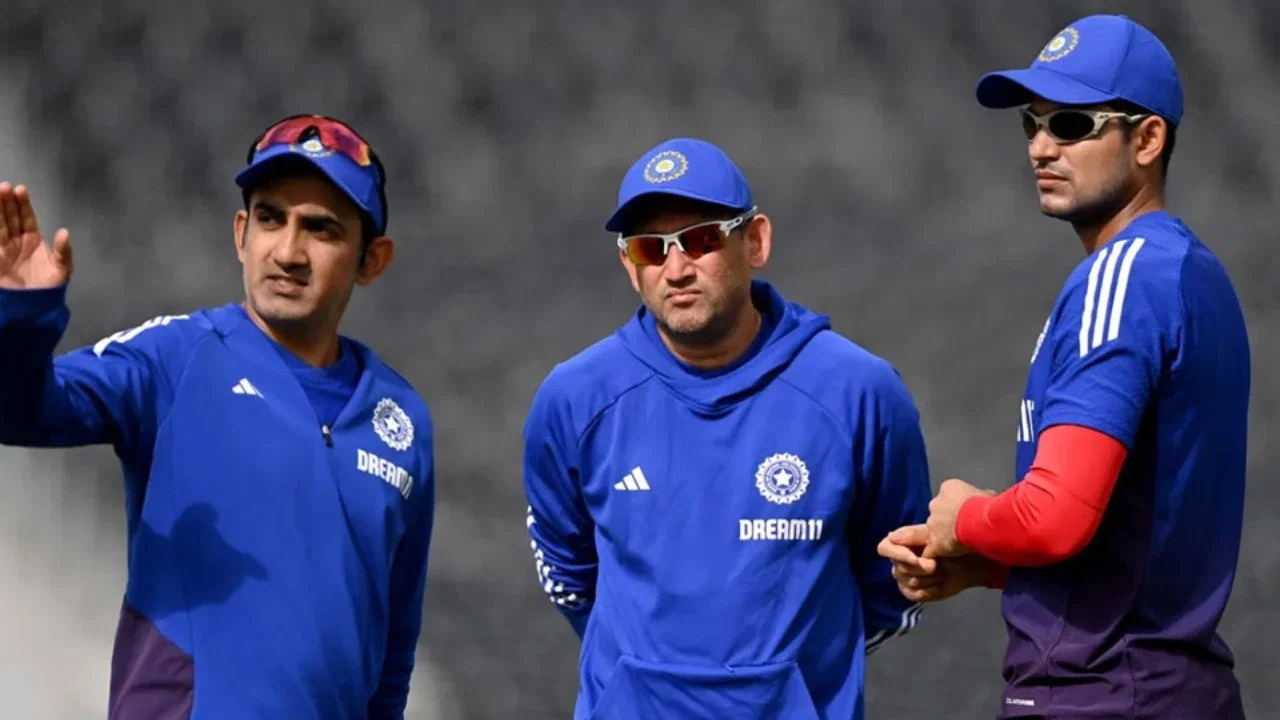
The Challenges Behind the Selection Curtain
In the high-stakes world of international cricket, the role of a chief selector is often one of the most scrutinized positions in the sport. Recently, Indian selection committee chairman Ajit Agarkar provided a rare, candid glimpse into the human side of this high-pressure job. During a public appearance at the ESPNcricinfo Awards ceremony in Mumbai, Agarkar addressed the complexities of squad management with a mix of humor and professional gravity.
When prompted by presenter Danish Sait about the personal difficulties inherent in team selection, Agarkar offered a refreshingly honest perspective. He admitted that delivering news of exclusion to talented players remains a daunting task. ““I’m still trying to find ways” – Ajit Agarkar makes honest admission about drop” served as the highlight of the evening, resonating with an audience that often focuses only on the final team sheet rather than the process required to build it.
The Weight of Responsibility
Agarkar emphasized that in a nation as cricket-obsessed as India, the depth of talent is immense. With so many players performing at elite levels, the margin between those selected and those omitted is often razor-thin. When asked how he approaches the difficult conversations involved in dropping a player, the former Indian pacer noted that it is an ongoing, evolving process. “It’s an everyday process,” he shared, highlighting that there is no singular ‘easy’ way to communicate disappointment to a professional athlete who has dedicated their life to the sport.
The interaction took place on May 30, just ahead of the high-profile IPL 2026 final between the Royal Challengers Bengaluru and the Gujarat Titans. Despite the light-hearted nature of the event, Agarkar was careful to maintain a professional distance, acknowledging that in the digital age, comments regarding team selection can easily be stripped of their nuance and taken out of context.
Reflecting on T20 World Cup Success
The conversation inevitably turned to India’s triumphant campaign at the 2026 ICC Men’s T20 World Cup. Under the captaincy of Suryakumar Yadav, India managed to secure the title on home soil, culminating in a dominant 96-run victory over New Zealand in the final at the Narendra Modi Stadium. Reflecting on the process of building that winning squad, Agarkar admitted it was a gratifying experience to see the selection decisions validated on the biggest stage.
The team’s performance throughout the tournament was nothing short of clinical. India finished their journey with only a single group-stage loss against South Africa. They showcased their depth by securing victories against a diverse range of opponents including the United States, Namibia, Pakistan, the Netherlands, Zimbabwe, the West Indies, and England.
Star Performances and Strategic Validation
The success of the 2026 squad served as a testament to the selection committee’s strategic choices. Several players proved that the trust placed in them by Agarkar and his colleagues was well-founded:
- Sanju Samson: Crowned Player of the Tournament, his 321 runs were pivotal, including a masterful 89 off 46 balls in the final.
- Jasprit Bumrah: The spearhead of the bowling attack, he claimed 14 wickets in total and earned the Player of the Match award in the final for his devastating figures of 4/15.
- Abhishek Sharma: Provided the team with necessary momentum, recording the fastest fifty of the entire tournament off just 18 balls.
- Ishan Kishan: Contributed significantly with 317 runs, acting as an explosive catalyst at the top of the order throughout the campaign.
Looking Ahead
As the conversation drew to a close, the presenter attempted to probe into future selection plans. Staying true to his cautious nature, Agarkar jokingly requested not to be put on the spot, reminding everyone that another important selection meeting was on the horizon in just a few days. This refusal to reveal internal details underscores the disciplined approach Agarkar maintains as he continues to navigate the complex landscape of Indian cricket, balancing the pressure of public expectation with the difficult, personal duty of managing the careers of the nation’s best cricketers.
Ultimately, Agarkar’s admission humanizes the selection process. It reminds fans and critics alike that behind every team announcement is a series of difficult conversations and the constant search for the right balance between talent, form, and team composition.