Arun Dhumal reveals why IPL players were barred from posting reels and chasing s – IPL 2026: Arun Dhumal Explains BCCI Stance on Player Social Media Activity
Prioritizing Performance Over Profiles
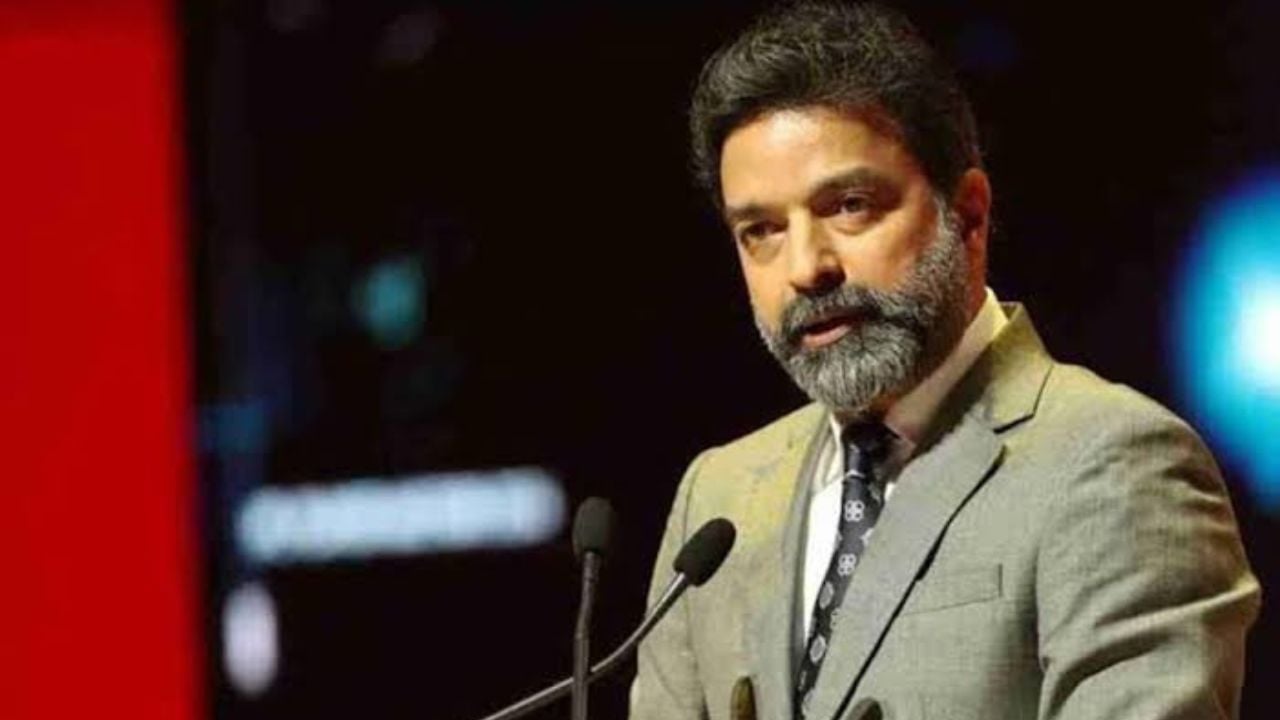
As the Indian Premier League (IPL) 2026 season reaches its climactic conclusion, the focus has shifted from mere match results to the broader implications of professional conduct. In a league known for its high-octane excitement and immense public interest, the Board of Control for Cricket in India (BCCI) has taken decisive steps to ensure that the sanctity of the game remains the top priority. Recently, IPL Chairman Arun Dhumal addressed the growing concerns regarding players prioritizing social media fame over their primary professional responsibilities.
The BCCI Advisory: A Return to Fundamentals
The IPL authorities issued a detailed seven-page advisory to all franchises, emphasizing that the primary role of a cricketer is to perform on the field. This directive was not intended to overhaul existing rules but rather to reinforce expectations that may have slipped during the busy campaign. Arun Dhumal, speaking in an interview with RevSportz, provided clarity on the board’s position.
“I don’t think cricketers need to be content creators,” Dhumal stated. “The cricketer’s job is to play good cricket. If they do so, there will be enough and more good content created about them. So they don’t need to turn into content creators and start creating reels, shorts, or other posts. It isn’t needed, and a line had to be drawn.”
Addressing the Social Media Trend
The rise of short-form video content has seen many players integrate social media production into their daily routines. During the mid-phase of the 2026 season, incidents involving high-profile players, such as Punjab Kings’ star Arshdeep Singh, garnered significant attention. While these videos were intended to be lighthearted, they reportedly raised red flags for league officials concerned about player focus and security. Following the implementation of the new guidelines, there has been a noticeable shift in behavior, with players scaling back their online activity to align with the board’s vision.
Why the Seven-Page Advisory?
Critics might wonder why such a lengthy document was necessary. Dhumal clarified that the advisory was essentially a reminder of fundamental expectations. The document serves as a standard for players, support staff, and team officials to follow, ensuring that the reputation of the league is not compromised by perceived unprofessionalism.
“Most of the things we have mentioned in the seven-page letter were already there,” Dhumal explained. “If you go and see, you will know there is nothing fundamentally new that we have asked for. Rather, seeing that things weren’t being followed, we needed to reinforce every point, and that’s what was at the root of the letter. Every franchise and every player has now been reminded what is expected of them.”
Protecting the League’s Reputation
The advisory highlights specific concerns regarding incidents of misconduct and protocol violations. The BCCI noted that these actions could lead to significant reputational damage to the tournament and the board itself. According to segments of the advisory shared by ESPN, the board expressed concerns that unchecked behavior could expose individuals and franchises to legal liability and serious security risks.
The move signifies a broader shift in how the BCCI manages the modern-day cricketer, who is often as much an influencer as they are an athlete. By drawing a clear line, the governing body is attempting to steer the focus back to the grassroots of the sport: the competitive matches that define the IPL’s global success.
Looking Ahead
As the IPL 2026 season concludes, the impact of these regulations remains a key talking point. By balancing the commercial demands of modern sports with the discipline required for elite performance, the BCCI aims to safeguard the future of the league. Moving forward, it is expected that franchises will monitor their players’ off-field conduct more strictly, ensuring that the focus remains firmly on cricket performance rather than digital engagement.