Shaheen Afridi on Pakistan quicks losing speed: ‘Machines deteriorate with time’ – Shaheen Afridi Addresses Pakistan Fast Bowlers’ Pace Decline
The Growing Concern Over Pakistan’s Pace Battery
Pakistan has long been synonymous with raw, express pace. From the legends of the past to the firebrand youngsters of the last decade, the nation has prided itself on producing bowlers who consistently clocked speeds that troubled the world’s best batters. However, a significant shift has occurred recently, with Pakistan’s fast bowlers appearing noticeably slower than their international counterparts. This trend reached a tipping point during the recent Test series against Bangladesh, where the visitors consistently outpaced the home side.
The issue is not merely anecdotal. Statistical analysis from the 0-2 series defeat in Bangladesh revealed that while the Bangladesh pace attack regularly hit the high 130s and mid-140s kph, Pakistan’s frontline bowlers struggled, often lingering in the mid-120s and early 130s. This lack of penetration proved costly, as it hindered the team’s ability to dismantle oppositions in the longer format.
The “Machine” Metaphor and the Burden of Workload
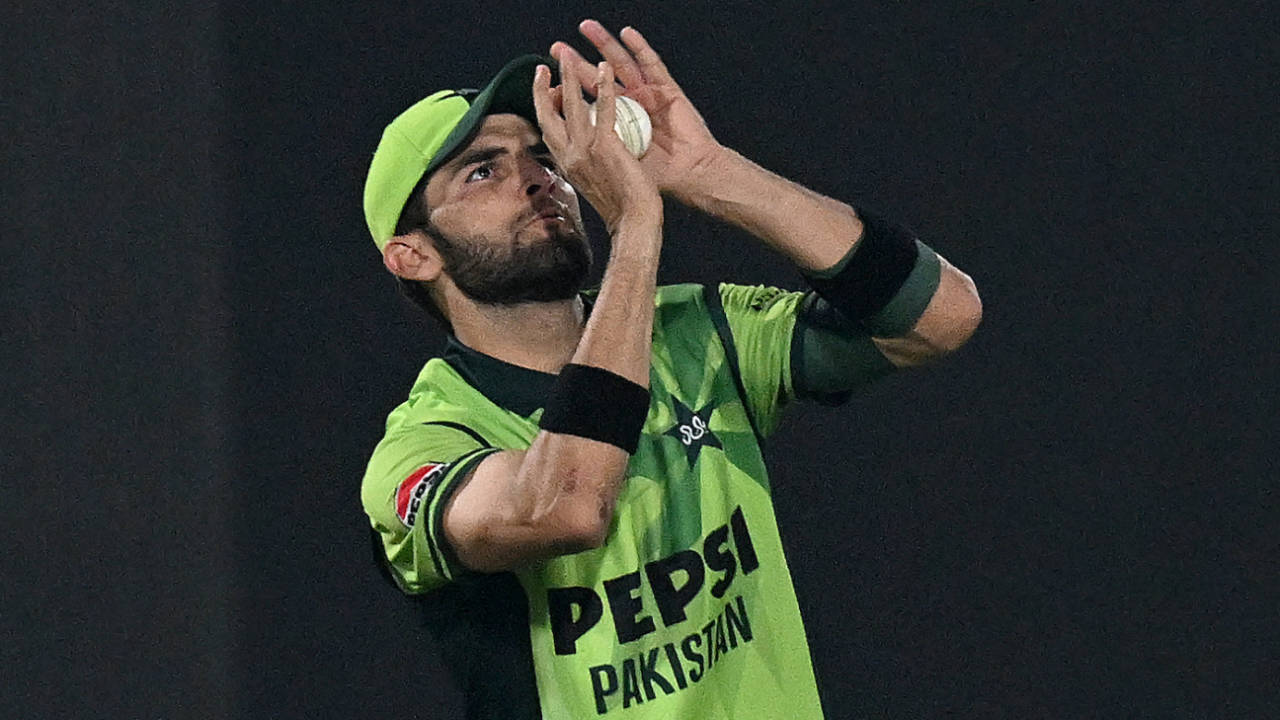
Addressing the media on the eve of the series opener against Australia in Rawalpindi, ODI captain Shaheen Shah Afridi provided a candid perspective on the physical demands placed on modern pacers. Drawing a parallel to mechanical maintenance, Afridi remarked, “It is a norm that machines deteriorate with time. We are trying to recharge ourselves.”
Afridi, who has himself faced a challenging period since his knee injury in 2022, emphasized that the lack of rest is a primary contributor to the drop in velocity. “You can put more pace in the ball when your body has had rest, but our bodies remain always at Pakistan’s disposal,” he explained. The constant churn of international cricket, across all formats, leaves little room for the recovery necessary to maintain peak explosive performance. In response, the National Cricket Academy (NCA) and the coaching staff are currently developing a load-management framework to ensure bowlers can regain their lost edge.
The Evolution of Shaheen Afridi
Shaheen’s own journey mirrors the team’s broader struggle. Once considered the spearhead of the Pakistan attack, his ability to consistently bowl at 140kph has dipped, impacting his effectiveness. Prior to the injury that sidelined him in Galle, his Test record was stellar, boasting 99 wickets at an average of 24.86. Since his return, those figures have seen a marked decline, with 27 wickets coming at an average exceeding 40. The captain remains optimistic, however, noting that the team is collectively focused on regaining that lost speed through targeted conditioning and strategic rotation.
Looking Ahead: Opportunities and Omissions
Beyond the bowling speed discourse, the selectors have turned their attention to the upcoming ODI World Cup, which remains 16 months away. The current squad selection reflects a desire to broaden the talent pool, introducing uncapped prospects such as Rohail Nazir, Arafat Minhas, and Ahmed Danyal. The return of seasoned campaigners like Babar Azam, Naseem Shah, and Shadab Khan adds much-needed stability to the lineup.
A notable absence from the squad is Mohammad Rizwan. Despite being one of Pakistan’s most consistent batters in this cycle, his omission has sparked intense speculation. Addressing the narrative surrounding Rizwan’s potential exclusion from the future of the ODI side, Shaheen was firm in his support. “I would suggest you not to jump to conclusions,” he stated. “Babar and I were also dropped from the team but we are back. I have spoken to Rizwan about it.”
Shaheen clarified that the decision was part of a larger plan to give younger players match exposure before the marquee event. “It is not as if his cricket is finished just because he has been dropped for this series. It is also important to give opportunities to youngsters ahead of the World Cup,” he added. As Pakistan prepares for the remaining ODIs in Lahore, the focus remains firmly on balance: integrating fresh talent while managing the physical and mental well-being of the established stars who remain the cornerstone of the national side.