Vaibhav Sooryavanshi Called Out By India Great; Urges BCCI To Take Action
The Rise of a Young Star
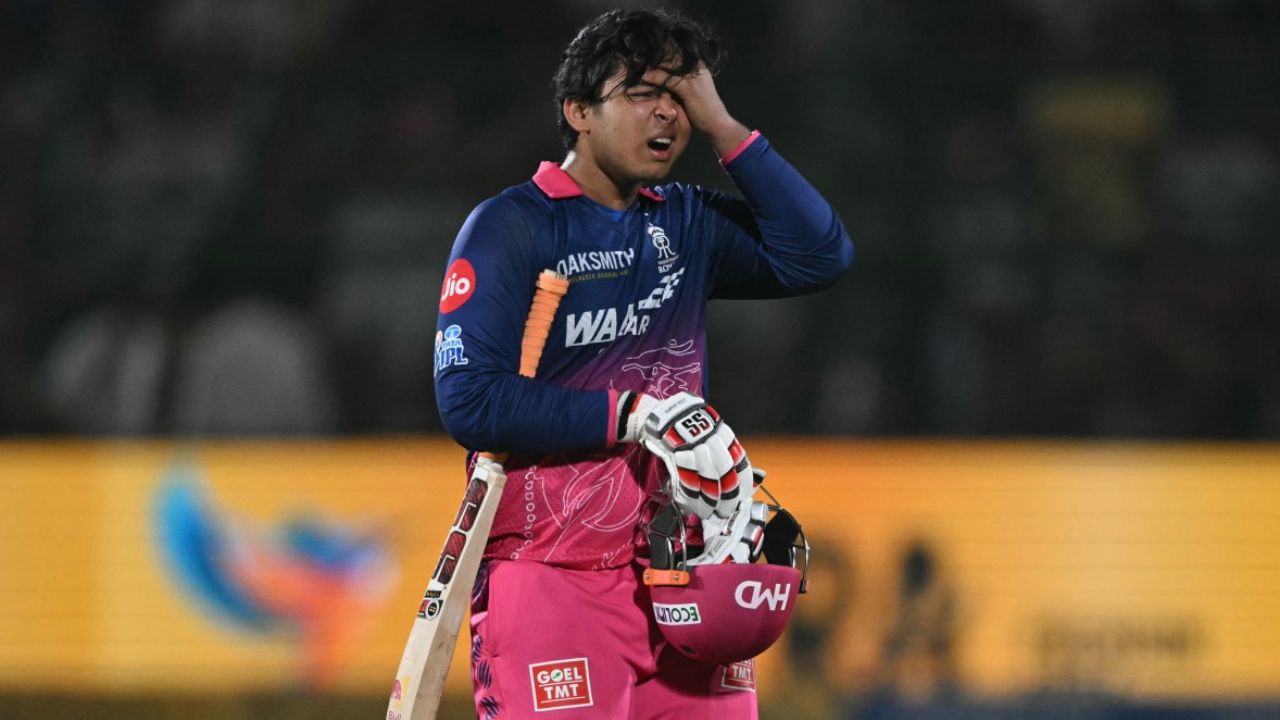
The Rajasthan Royals have successfully punched their ticket to the IPL 2026 playoffs, largely fueled by the phenomenal performance of 15-year-old prodigy Vaibhav Sooryavanshi. In a season defined by intense pressure and high-stakes cricket, the youngster has emerged as the franchise’s leading run-getter, amassing a staggering 583 runs in just 14 innings. Currently sitting as the fifth-highest run-scorer in the entire tournament, his contributions have been pivotal to the Royals’ championship aspirations.
The Impact Player Controversy
Throughout the current campaign, the Rajasthan Royals have strategically utilized Sooryavanshi as an ‘Impact Sub.’ While this tactical move has allowed the team to maximize his batting prowess, it has simultaneously shielded him from the physical demands of fielding. This specific usage has sparked a significant conversation within the cricketing fraternity, as experts weigh the benefits of his batting output against the potential long-term stagnation of his overall cricketing skills.
Concerns regarding Sooryavanshi’s physical conditioning have been evident, with the teenager suffering two separate injuries during the tournament while attempting to dive in the field. Consequently, the Royals have been protective, often keeping him out of the field to ensure his batting availability remains uncompromised. However, this safety-first approach has not escaped scrutiny.
Sanjay Manjrekar Voices Strong Criticism
Former Indian cricketer and esteemed analyst Sanjay Manjrekar has publicly voiced his dissatisfaction with the current tactical setup. Manjrekar argues that the ‘Impact Player’ rule is detrimental to the holistic development of young players. Speaking on Sportstar’s Inside Edge podcast, Manjrekar did not mince his words, asserting that the rule creates a skewed version of the game that masks a player’s true readiness for international standards.
“The more I think about it, the more I feel we need to do away with the Impact Player rule for this very reason. Is that really what we want to see about Vaibhav Sooryavanshi? To only see one side of his game?” Manjrekar questioned. His primary concern lies in the transition to international cricket, where the Impact Player rule does not exist. Manjrekar believes that if Sooryavanshi is to represent the Indian national team, he must be a complete cricketer, capable of handling the rigors of fielding, which requires a level of fitness and match awareness that sitting on the bench during the opposition’s innings simply cannot provide.
A Glimpse of Potential
Despite the criticisms, the young talent proved his doubters wrong during the final group stage clash against the Mumbai Indians. In a refreshing change, Sooryavanshi was not used as an impact sub. He took the field and made an immediate impact, securing a catch off Ryan Rickelton. In doing so, he etched his name into the history books, becoming the youngest player in the history of the IPL to record a catch.
The Road Ahead
The sentiment surrounding the debate is clear: while the Impact Player rule provides an immediate boost to team strategy, it risks pigeonholing talented youngsters into specialized roles. For a player with the trajectory of Vaibhav Sooryavanshi, the expectation is that an international call-up is inevitable. To prepare for the intensity of the Men in Blue, he requires consistent exposure to fielding duties, which will naturally drive him to improve his agility, fitness, and overall understanding of the game’s nuances.
The debate initiated by Manjrekar serves as a reminder that while individual statistics in a franchise tournament are impressive, the ultimate goal for Indian cricket remains the nurturing of well-rounded athletes who can perform under the pressures of the international stage. Whether the BCCI decides to reevaluate the Impact Player rule remains to be seen, but the conversation surrounding Sooryavanshi highlights the tension between short-term IPL success and long-term player development.