Newlands Test Tickets: CSA Squeezes Out Local Fans for England Series
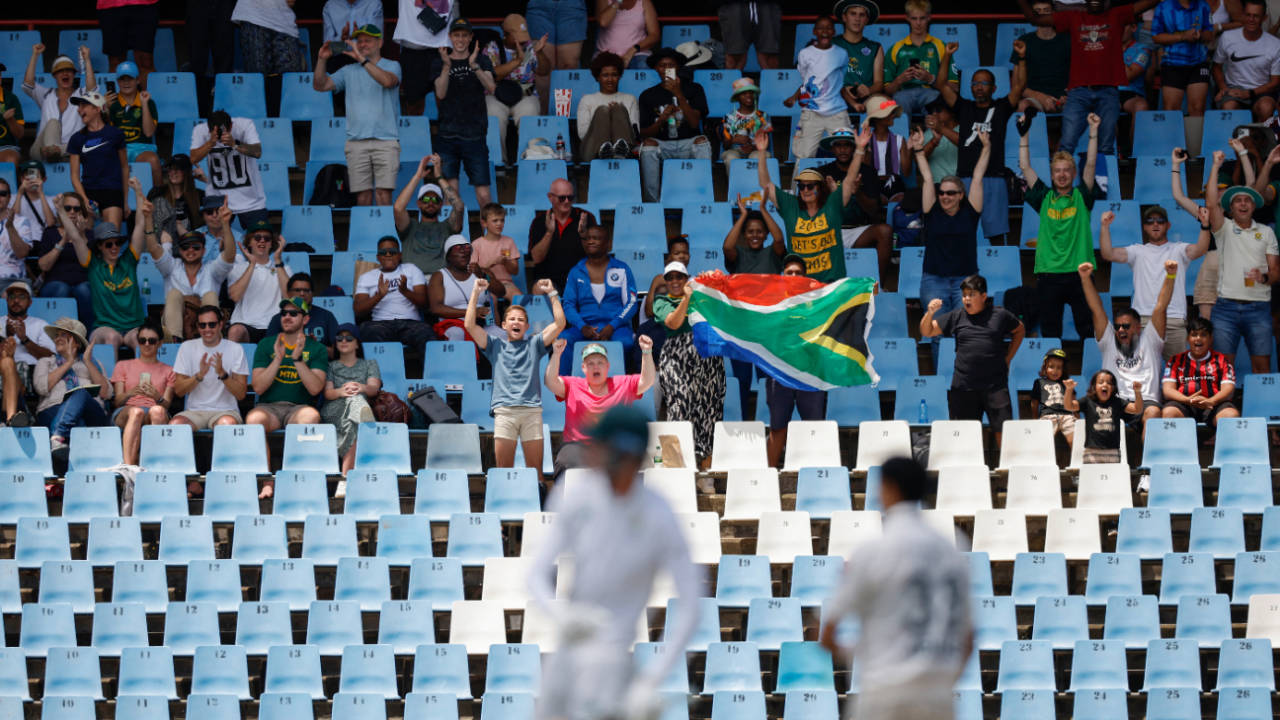
Cricket South Africa (CSA) has faced significant backlash following the highly contentious ticket sales process for the New Year’s Test against England at Newlands. The highly anticipated match, scheduled from January 3 to 7, saw a mere fraction of its tickets made available to the general public, leading to an immediate sell-out and widespread frustration among local fans.
On Monday morning, less than 1,600 tickets per day were released for public purchase, disappearing within minutes. This limited availability means that the iconic Newlands stadium, set against the backdrop of Table Mountain, will largely be filled by fans who secured their entry through tour packages or hospitality deals. A staggering 39% of the Test’s tickets were allocated to tour groups for resale, while an additional 41% were reserved for hospitality, complimentary, stakeholder, and service allocations. This leaves South African cricket enthusiasts, who eagerly anticipated watching their national team, in a distinct minority.
Understanding the Newlands Ticket Allocation
The detailed breakdown of ticket allocation reveals CSA’s strategy to maximize revenue from what is traditionally one of their most profitable fixtures. The distribution is as follows:
- 39% – International and domestic travel packages
- 21% – General hospitality and member complimentary tickets
- 19% – Complimentary tickets allocated to CSA and member sponsors, stakeholders, match officials, visiting and home teams, media, marketing, and service allocations
- 13% – Released to the public and unreserved seating
- 3% – Restricted areas
- 2% – Season ticket holders
- 1% – Wheelchair users and assistants
- 1% – Sight screen restricted seating
- 1% – Reserved backup allocations
This allocation model has undeniably squeezed out home fans, many of whom were left without opportunities to attend. South Africa, having experienced a red-ball cricket drought last summer with no home fixtures, had high hopes for this marquee series. The current situation has amplified disappointment, leaving many feeling alienated from a sport they passionately support.
The Commercial Imperative Versus Fan Engagement
Historically, Test match tickets in South Africa have been readily available, with audience numbers generally moderate, except for the popular festive season matches held at SuperSport Park in Centurion and Newlands in Cape Town. These two venues consistently report strong attendance, particularly when a visiting team brings a large contingent of touring supporters. England, with its renowned ‘Barmy Army’ and other dedicated fan groups, perfectly fits this profile, ensuring a robust turnout for away games.
The December-January period is also a prime time for English tourists in South Africa, especially in picturesque Cape Town. With the Rand-to-Pound exchange rate making South Africa an attractive destination, it is clear that CSA aimed to capitalize on the earning potential of this highly anticipated tour. The stadium’s capacity at Newlands has been reduced to 17,544 from over 20,000 due to new building developments on site, further intensifying the demand for a limited number of seats.
Maximizing Revenue Through Packages
For the Newlands Test, 12% of the stadium’s capacity was dedicated to international travel packages, and a further 27% to local packages. The latter are primarily distributed through SA Cricket Travel, a new venture formed as a partnership between CSA and TourVest. Reports from the Daily Mail in England highlighted dissatisfaction among touring fans regarding the pricing of these packages, which bundled tickets with hotels and transfers, often amounting to several hundred pounds.
Local Frustration Over Accessibility
Closer to home, the unhappiness was palpable among South African fans unable to secure tickets. Standard general access tickets are typically priced between R400 and R250 (approximately US$25 and US$15), a cost generally not considered a significant barrier for ordinary South Africans. However, the issue this time was not the price, but the sheer unavailability. Local radio stations, including CapeTalk, aired segments detailing the difficulties faced by South Africans trying to purchase tickets.
Sports business researcher Nqobile Ndlovu, interviewed on air, articulated the sentiment concisely: CSA’s decision to allocate such a substantial percentage of tickets to travel packages has “essentially locked out your domestic fans.” While acknowledging the commercial rationale, Ndlovu’s comments underscore the tension between financial objectives and nurturing the local fan base.
CSA’s Financial Landscape and Future Tours
CSA currently enjoys a strong financial standing, having reported a profit of R238 million (approximately US$13.7 million) in the previous year. However, this year’s financial statements could show a decline, partly due to hosting only one incoming series (three T20Is against West Indies) in the 2025-26 summer. The upcoming 2026-27 season presents a crucial opportunity for recovery and growth, with lucrative incoming tours from Australia and England — both of whom are highly profitable for CSA, with England tours being particularly significant.
This financial context provides a clearer understanding of CSA’s strategic choices, prioritizing arrangements that guarantee higher revenue streams, even if it comes at the expense of immediate local fan access.
The Nuance of a “Sold Out” Declaration
While CSA has declared the first four days of the Newlands Test sold out, particularly in contrast to the availability of tickets for the first and second Tests in Johannesburg and Centurion, this statement carries a crucial nuance. Of the 13% of tickets initially reserved for the public, only 9% were released on Monday. The remaining 4%, along with any unused tickets from the various allocations listed above, are expected to be put back on sale at a later stage.
This future release will also account for any changes to the sight-screen seating, which can only be finalized once the pitch allocation is complete and match officials have approved the sight-screen requirements. Such decisions typically occur in the days immediately preceding the game, offering a slim glimmer of hope for some local fans. Nevertheless, the initial limited release has undeniably created a perception of exclusion, raising questions about the balance between commercial viability and the engagement of a dedicated home support base.