Shan Masood Calls for Structural Changes Amid Pakistan Test Captaincy Uncertainty
A Period of Reflection for Pakistan Test Cricket
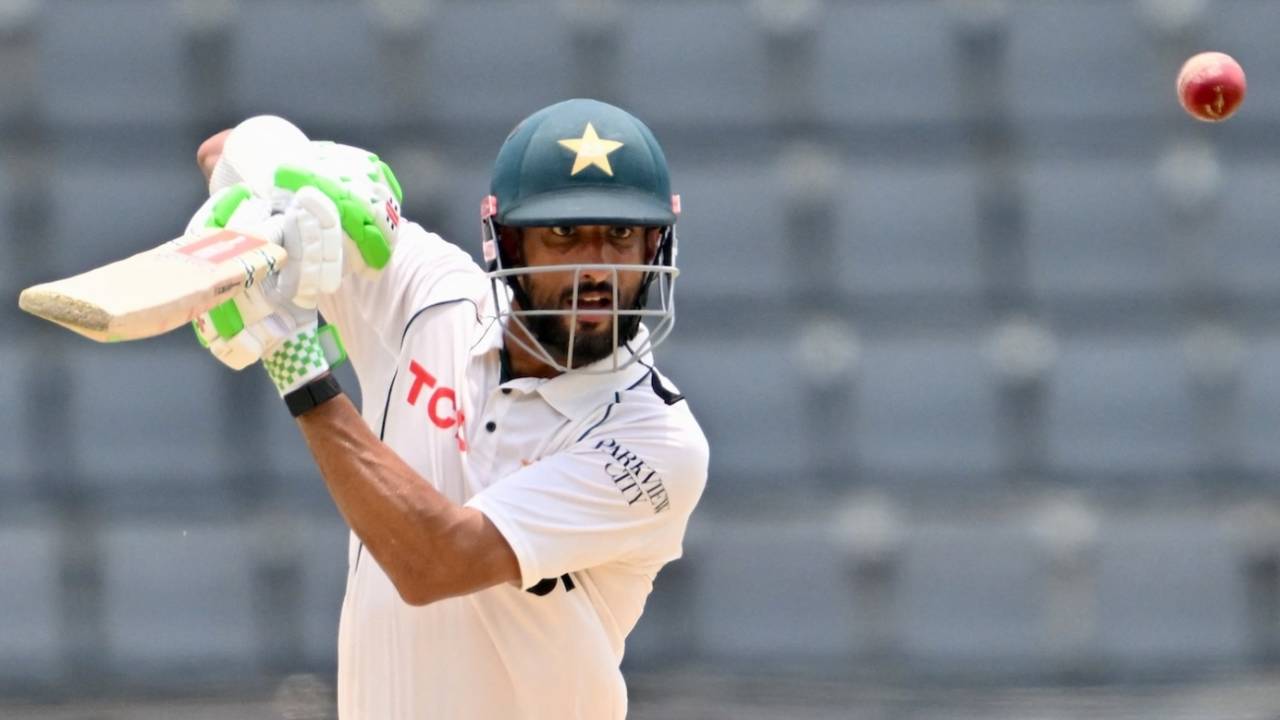
The landscape of Pakistan Test cricket finds itself at a critical juncture. Following a comprehensive 78-run defeat to Bangladesh in Sylhet, the national team has suffered a second successive series loss to the Tigers, cementing a grim chapter in the nation’s sporting history. Amidst this turmoil, captain Shan Masood has deflected immediate questions regarding his leadership, choosing instead to pivot the conversation toward the urgent need for structural reform within the system.
The Weight of Historical Defeats
The statistical reality for Pakistan under Masood’s tenure is sobering. The team has become the first side other than Zimbabwe to succumb to four consecutive Test defeats at the hands of Bangladesh. Furthermore, this latest loss marks a seventh consecutive defeat away from home, equaling one of the worst streaks in the country’s cricketing history. Masood’s personal record now stands at 12 losses in 16 Tests, a statistic that places his tenure under intense scrutiny.
Reflecting on the challenges, Masood noted that the ultimate decision regarding his captaincy rests solely with the Pakistan Cricket Board (PCB). Despite the mounting pressure, he remains committed to the team’s improvement, stating, “My intentions are clean. I took on this job to improve our Test cricket. There are things that need to be discussed with the board and the decision is always the board’s.”
Beyond the Captaincy: The Need for Structural Change
Rather than advocating for immediate personnel changes, Masood is calling for a more analytical approach to the team’s issues. He argues that wholesale changes rarely result in long-term success. Instead, the focus must shift toward identifying root causes and building a system that fosters consistency.
- Addressing Root Causes: Masood emphasized that the team must move past raw emotion and conduct an objective audit of their performances in batting, bowling, and fielding.
- Consistency Across Formats: The captain pointed out that, despite losing, the team frequently created opportunities to win. In the Sylhet Test, for instance, Pakistan had Bangladesh reeling at 116-6 before a century from Litton Das shifted the momentum.
- Long-term Planning: According to Masood, the focus should be on how to minimize costly errors over the course of a five-day match, regardless of the age or experience of the individual players.
Performance Under Scrutiny
Masood’s own individual contributions have also been a point of discussion. While he managed a significant 71 in the final innings of the series, his batting average remains under 26 for the series. However, he was quick to highlight that the nature of pitches—both at home and abroad—plays a significant role in performance consistency. He noted that the surfaces provided by Bangladesh during this series were fair, offering a genuine contest between bat and ball, which he believes is essential for the growth of Test cricket.
Moving Forward Without Emotion
When asked about the future of the current squad, Masood maintained that age should not be the primary metric for selection. “Whether that is a 40-year-old player or an 18-year-old, that doesn’t matter. What matters is whether they can fulfil the roles the team needs them to fulfil,” he explained. He acknowledges the hurt felt by the fans and the team, but insists that the solution lies in a dispassionate, structural overhaul.
As the PCB weighs its options, Masood remains steadfast in his belief that the team’s progression depends on a collective effort to improve the foundations of their game. Whether he remains at the helm or transitions into a different capacity, he insists that his commitment to the national shirt remains absolute. For now, the focus shifts to the board’s evaluation of the team’s direction, as Pakistan looks to emerge from this difficult period with a clearer vision for its future in the World Test Championship.