The IPL Ambition vs. Reality
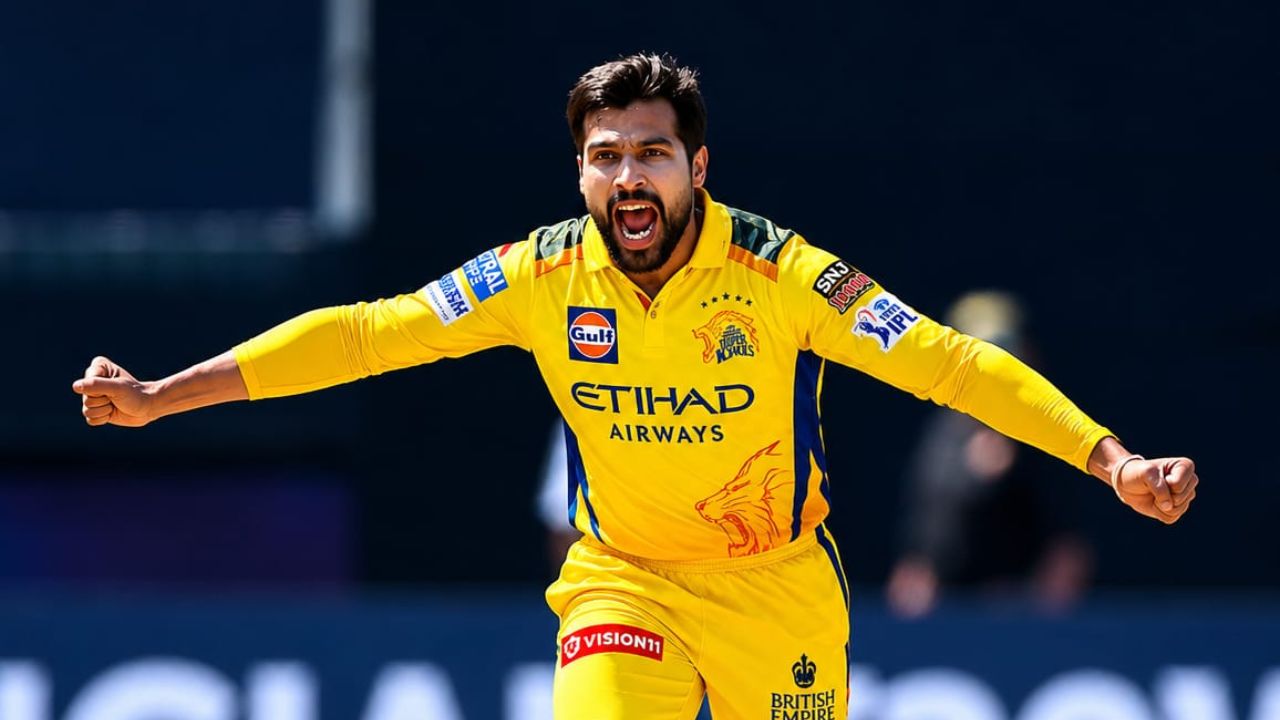
The news that Mohammad Amir has acquired British citizenship sent ripples through the cricketing fraternity. For many fans, this development immediately sparked hope that one of the most talented left-arm pacers of the modern era could finally grace the Indian Premier League (IPL). While the legal paperwork might technically open a door, the reality of the situation is significantly more complex.
1. The BCCI and Geopolitical Hurdles
The most significant barrier to Mohammad Amir’s participation is not administrative, but diplomatic. The BCCI has maintained a firm stance regarding players from Pakistan since the 2008 Mumbai terror attacks. While players like Azhar Mahmood were able to participate in the IPL while holding British passports, the geopolitical climate of that era was vastly different from the current environment.
Amir’s situation is further complicated by his recent active status in Pakistan cricket. Having represented Pakistan in the 2024 T20 World Cup and competed in the 2026 Pakistan Super League, his connection to the Pakistan Cricket Board is current and high-profile. The BCCI is highly unlikely to deviate from its established policy, especially when dealing with a player who has such recent and deep ties to Pakistan’s international setup.
2. Fear of Public and Media Backlash
Beyond the official policies, there is the volatile landscape of public sentiment. An IPL franchise is a major brand, and the inclusion of a high-profile, controversial figure like Amir carries immense reputational risk. Unlike Azhar Mahmood, who entered the league quietly, Amir brings a history of intense media scrutiny and past scandals.
In today’s digital age, the backlash from fans and the potential for sponsorship complications are significant deterrents for team owners. Recent events, such as the public reaction toward sister franchises in other leagues signing Pakistani players, illustrate that fan sentiment remains a powerful force. Franchises prioritize stability and brand image, and the inclusion of a polarizing figure like Amir could prove to be a distraction that most teams are unwilling to invite.
3. The Performance and Age Factor
Setting aside the political and social issues, there is the purely objective matter of cricket performance. As the IPL continues to evolve into an ultra-competitive environment, teams are increasingly focusing on youth, fitness, and consistent high-level performance. By the time the next IPL cycle is in full swing, Amir will be 35 years old.
While experience is valuable, IPL scouts are notoriously rigorous. Amir’s recent performances in various franchise leagues, including the PSL and the CPL with the Trinbago Knight Riders, have been steady but not necessarily transformative. Teams looking for overseas fast-bowling talent usually hunt for the next generation of speedsters or current international superstars who are at the absolute peak of their powers. Investing a limited overseas slot in a veteran who is no longer active in international cricket is a gamble that few analysts believe franchises will take.
Conclusion
While the prospect of Mohammad Amir in an IPL kit makes for an interesting headline, the confluence of BCCI policy, the current geopolitical environment, and the harsh realities of professional cricket economics makes his participation highly improbable. For now, the IPL will continue to operate under its current frameworks, and Amir’s path to the tournament remains blocked by walls that are far higher than a simple change of passport.