Reflecting on a Difficult Campaign
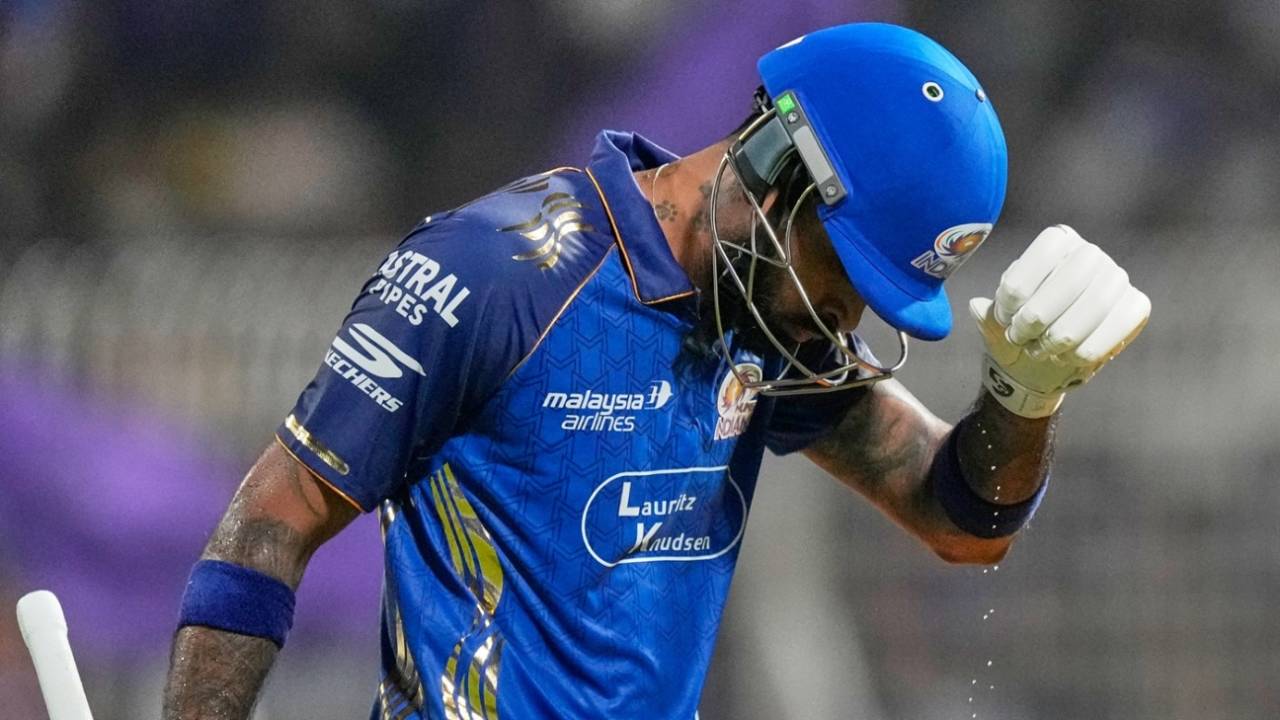
The 2026 Indian Premier League season was undeniably one defined by ‘what-ifs’ for the Mumbai Indians. As the franchise concluded their campaign with a loss to the Rajasthan Royals, finishing ninth in the standings, the mood in the camp was one of somber reflection. Kieron Pollard, serving as the Mumbai Indians’ batting coach, did not shy away from the reality of the situation during his post-match press conference.
Pollard admitted that the team’s performance was disappointing throughout the entire tournament. The failure to string together consistent wins and capitalize on moments of momentum left both the management and the passionate fanbase frustrated. However, Pollard insisted that immediate, emotional reactions would be counterproductive to the team’s long-term health.
The Need for Strategic Assessment
When questioned about the future and the necessity for a post-mortem of the season, Pollard urged patience. He emphasized that the management requires space to sit down, analyze the data, and conduct a thorough assessment of where the strategy faltered. He noted that making reactionary decisions at this stage would be irresponsible, advocating instead for a period of calm reflection before implementing structural changes.
The discussion inevitably turned to the long-term drought for the five-time champions, who have not secured an IPL title since 2020. Pollard acknowledged that the team is fully aware of this dry spell and that a deep, comprehensive review is required to steer the franchise back toward its winning ways.
Addressing the Hardik Pandya Captaincy Debate
One of the most recurring narratives throughout the season concerned the leadership of Hardik Pandya. Addressing the internal dynamics, Pollard maintained a stance of solidarity. ‘No one is going to point fingers’ – Pollard on Hardik’s captaincy reflected his belief that attributing the team’s failures to a single individual is fundamentally flawed.
Pollard explained, ‘From a leadership perspective, Hardik, yes, it has not gone maybe as well as he would have wanted as an individual. But one thing you know that we’d have tried each and everything to give him the best opportunity to lead the franchise to do well. And again, no one is going to sit here and point fingers. I think when you lose, you have to look at it from a collective perspective.’ According to Pollard, the entire squad and support staff shared the responsibility, and while the results did not materialize, the effort was there from all parties involved.
Managing Jasprit Bumrah’s Fitness
Beyond the captaincy, the form and usage of pace spearhead Jasprit Bumrah became a major point of discussion. The premier bowler endured his leanest season since 2015, picking up only four wickets. However, Pollard was quick to provide context regarding the star’s physical condition.
Pollard revealed that Bumrah had been carrying a niggle following the T20 World Cup, which hindered his ability to perform at his peak. ‘We tried to manage it. He wasn’t his best self in terms of fitness perspective and all of that,’ Pollard noted. When asked why Bumrah was excluded from the season-ender, Pollard defended the decision as a protective measure for a ‘prized possession’ of Indian cricket. With the team already out of playoff contention, the management prioritized the player’s long-term health over the outcome of a single match, opting to give younger bench players an opportunity instead.
Looking Toward the Future
As the Mumbai Indians look toward the next cycle, the emphasis remains on avoiding inconsistency. Pollard highlighted that the team must move away from reactionary cycles—such as questioning the leadership after a single poor season—and instead focus on a more stable, strategic approach to rebuilding the squad. The upcoming months will be critical as the franchise evaluates its retention strategy and tactical identity to ensure that the disappointment of 2026 does not repeat itself in the future.