Not Rohit, Suryakumar or Bumrah: Mumbai Indians need a different captain after H – Why Mumbai Indians Must Choose Tilak Varma as Their Next Captain
The End of an Era for Mumbai Indians
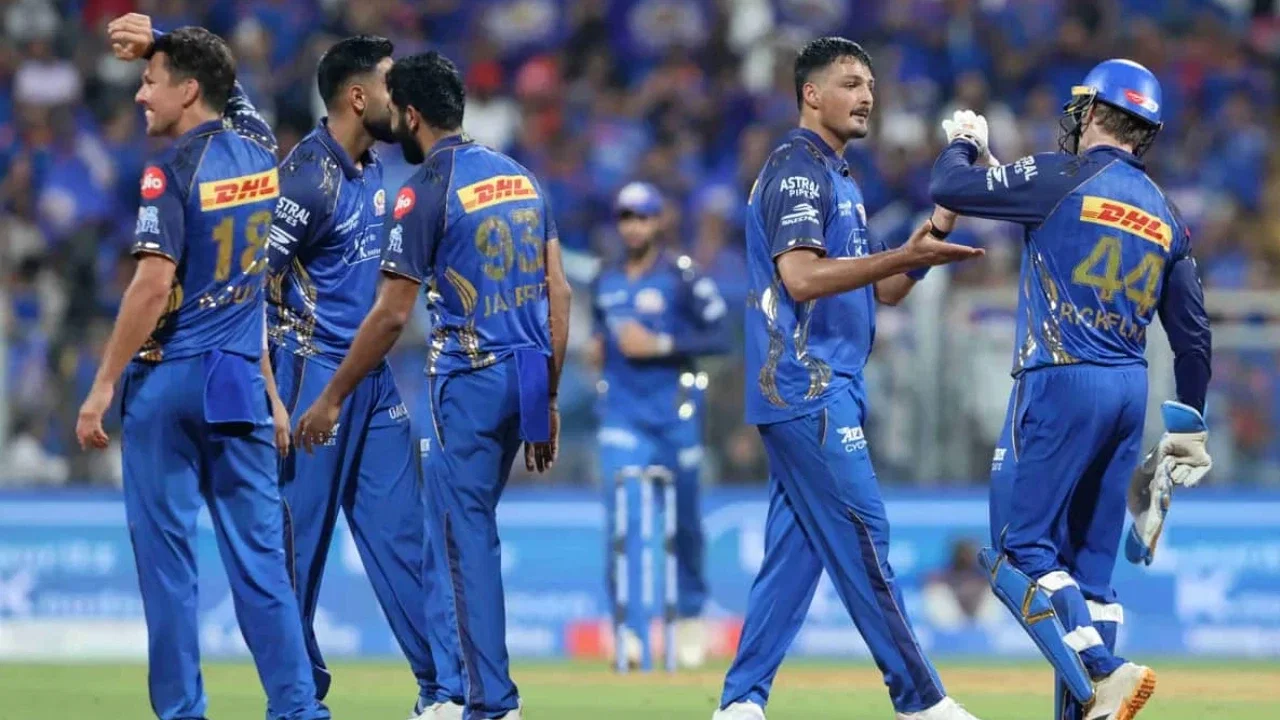
The 2026 Indian Premier League season was nothing short of a catastrophe for the Mumbai Indians. Once the gold standard of IPL success, the five-time champions finished near the bottom of the table, managing a dismal four wins in 14 matches. From erratic team selection and recurring injury woes to a complete lack of tactical cohesion, the franchise looked like a shell of its former self. At the center of this turmoil was captain Hardik Pandya, whose tenure has been marked by relentless pressure and internal friction.
The Hardik Pandya Fallout
Since taking over the captaincy from Rohit Sharma before the 2024 season, Hardik Pandya has faced a turbulent path. While the team managed a playoff appearance in 2025, the 2026 season stripped away the veneer, exposing deep-seated cracks within the camp. Pandya’s personal performance also suffered, with just 206 runs and four wickets to his name, compounded by five matches missed due to a back spasm.
More telling than the statistics was the body language. Reports indicate that Pandya felt mentally exhausted and emotionally drained, leading to his decision to part ways with the franchise. Sources close to the management suggest that the lack of commitment from senior players toward his leadership style created an untenable environment. Having reportedly informed the management mid-season of his intention to leave, the stage is now set for a major transition before the IPL 2027 mega auction.
Evaluating the Usual Suspects
With Pandya’s departure imminent, the obvious question remains: who takes the reins? While fans have clamored for a return to the Rohit Sharma era, such a move would be a step backward. Rohit has been a legendary servant to the franchise, but Mumbai Indians require a long-term vision, not a temporary sentimental fix.
Other options carry their own risks. Suryakumar Yadav is currently struggling with form and the weight of being India’s T20I captain; adding domestic leadership duties could prove detrimental to his explosive batting style. Meanwhile, Jasprit Bumrah, despite his brilliance and tactical acumen, remains a high-risk candidate. Given his history of back injuries and the BCCI’s strict workload management, appointing him as full-time IPL captain could jeopardize his availability for international duties.
Why Tilak Varma is the Logical Successor
If Mumbai Indians intend to pivot toward a sustainable future, Tilak Varma emerges as the most compelling candidate. Since arriving as a young talent, Varma has evolved into the backbone of the middle order, displaying maturity and temperament that belies his age.
The Case for Varma’s Leadership:
- Cultural Alignment: Having developed within the Mumbai Indians setup, Varma understands the franchise’s ethos and the heavy expectations that come with the blue and gold jersey.
- Performative Consistency: Even during the disastrous 2026 season, Varma remained a bright spot, showing a fearless attitude and the ability to hold the innings together under immense pressure.
- Proven Captaincy Pedigree: Leadership is not new to him. Varma has captained India A in the ACC Men’s T20 Emerging Teams Asia Cup and has led Hyderabad in domestic circuits. His calm demeanor during tense situations has already earned him the respect of selectors and coaches alike.
- Building a New Legacy: Varma represents a fresh identity. By investing in his leadership, the franchise can build a squad around a player who is likely to be a cornerstone for the next decade.
The transition away from Hardik Pandya provides Mumbai Indians with the perfect opportunity to hit the reset button. While the allure of familiar veterans is strong, the future of the franchise rests on fostering new talent capable of handling the weight of leadership. Tilak Varma offers the perfect blend of tactical intelligence, emotional stability, and long-term potential, making him the ideal architect for the next chapter of Mumbai Indians’ history.