Lord’s pitch rated as ‘unsatisfactory’ following England’s first Test win
An Unprecedented Sanction at the Home of Cricket
In a development that has sent ripples through the cricketing world, the International Cricket Council (ICC) has officially ruled the surface at Lord’s as “unsatisfactory.” This follows the conclusion of the first Test match of the English summer between England and New Zealand. As a result, the historic ground has received one demerit point under the ICC’s rigorous pitch and outfield monitoring process. For a venue as prestigious as Lord’s, this stands as the first such sanction ever recorded, highlighting the gravity of the concerns regarding the playing conditions.
The Data Behind the Decision
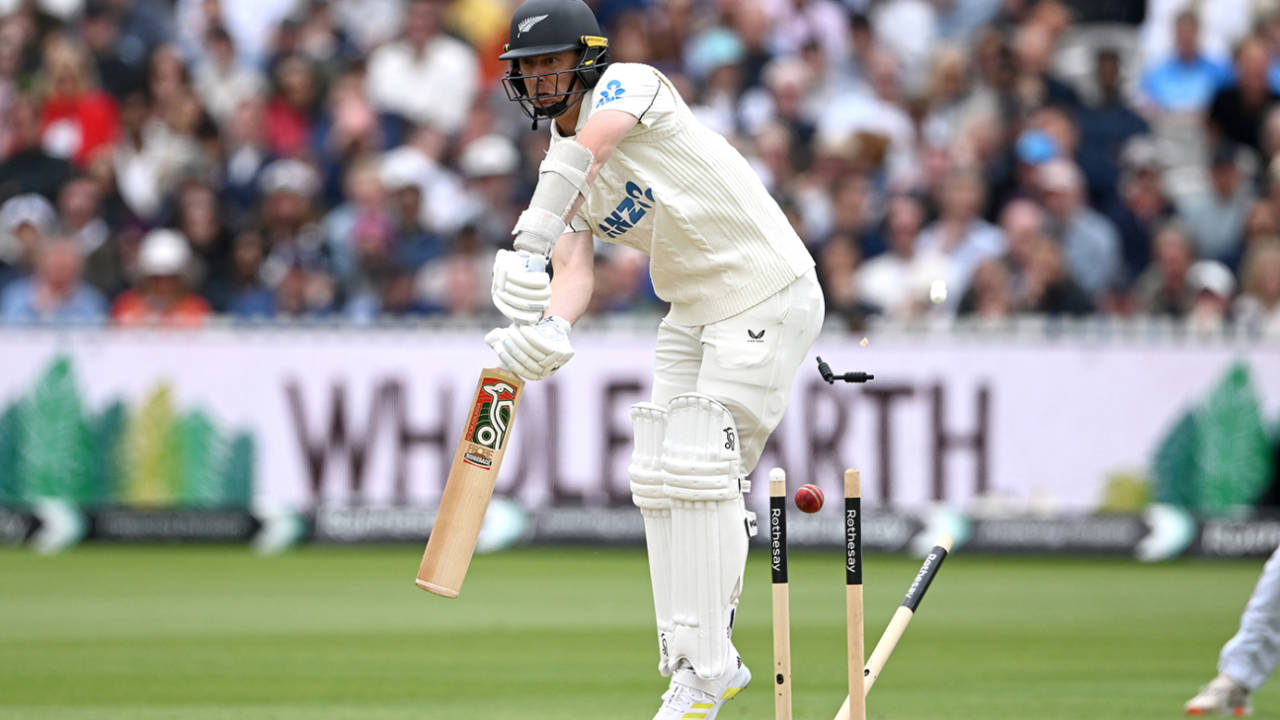
England secured a victory by 115 runs in this encounter, yet the match failed to reach its full duration, concluding on the morning of the fourth day. While rain interruptions certainly played a part in the truncated schedule, the statistical breakdown of the game is alarming. A total of 40 wickets fell within just 996 balls, making this the shortest completed Test match at the venue in nearly 140 years. The bowlers dominated to such an extent that 24 of those 40 dismissals were either bowled or lbw, signaling an extreme imbalance between bat and ball.
Expert Analysis from Match Referee Andy Pycroft
ICC match referee Andy Pycroft provided a damning assessment of the pitch’s behavior. He noted: “There was plenty of excessive seam movement throughout the Test and the ball also kept extremely low on several occasions. The bounce was variable throughout as 16 wickets fell on the first day and 17 on the second. There was simply an over-balance in favour of ball against bat caused by the pitch.” This observation underpins the decision to issue the demerit point, as the pitch failed to offer a fair platform for competitive Test cricket.
The Response from MCC and the England Captain
While the report has been forwarded to the England & Wales Cricket Board (ECB) with a 14-day window for appeal, the Marylebone Cricket Club (MCC), which operates Lord’s, has taken full accountability. MCC chief executive Rob Lawson acknowledged that the surface fell short of the high standards expected at such a premier location. Lawson cited the challenges of unseasonably hot weather in May coupled with subsequent rain as factors that hampered head groundsman Karl McDermott’s efforts to prepare an ideal surface.
England captain Ben Stokes provided a candid perspective on the situation. While he acknowledged the excitement of a fast-paced game, he emphasized that such conditions could be detrimental to the long-term health of the format. “The game is played over five days. Without the weather, it wouldn’t even have finished on day four. As someone who believes Test cricket should never disappear, that is not ideal,” Stokes remarked. He further highlighted that while players must adapt to conditions, extreme surfaces that lead to 16 wickets in a single day do not serve the interests of the game’s future.
Financial Implications and Wider Context
The impact of the poor pitch extended beyond the scorecard, affecting the spectators who had invested in the match. Due to the rapid conclusion and significant weather interruptions, fans who attended the final day were entitled to 50% refunds, while those present for the third day received full refunds after only 58 legitimate balls were bowled. This highlights the practical frustration caused when pitch conditions combined with external factors prevent a full, fair contest.
The issue of pitch quality is not isolated to London. In a separate ruling, the pitch at the Gadaffi Stadium in Lahore was also rated as “unsatisfactory” during the third ODI between Pakistan and Australia. Match referee Graeme Labrooy criticized those conditions for being “slow and low,” proving that governing bodies are currently taking a very firm stance on surface preparation globally. As the cricketing world moves forward, the focus will remain on how groundsmen can better balance the needs of bowlers with the requirement for competitive, long-form batting displays.