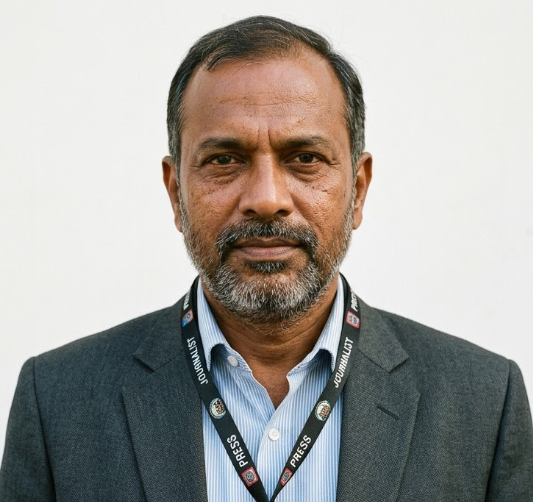
Jay Shah Leads ICC Mission to Resolve Sri Lanka Cricket Crisis
A New Chapter for Sri Lankan Cricket
The landscape of Sri Lankan cricket is undergoing a seismic shift. Following a devastating Super 8 exit in the 2026 T20 World Cup—a tournament where the team failed to secure a single victory on home soil—the cricketing community in the island nation has been left reeling. The resulting fallout has prompted the International Cricket Council (ICC) to take direct action, deploying a high-level delegation to Colombo to address the deep-rooted administrative crisis.
The Catalyst for Change: World Cup Failure and Political Turmoil
The humiliation of a premature exit from the T20 World Cup served as the breaking point for Sri Lankan cricket. The team, led by Dasun Shanaka, faced significant scrutiny from fans and critics alike. The pressure proved insurmountable, leading to the resignation of head coach Sanath Jayasuriya and an intense government-led probe into the state of the national sport. In a pivotal meeting between Sri Lankan President Anura Kumara Dissanayake and SLC President Shammi Silva, the latter opted to step down, triggering a restructuring of the entire administrative hierarchy.
Sunil Kumara Gamage, the country’s sports minister, moved quickly to form an interim nine-member panel known as the Cricket Transformation Committee. The inclusion of legendary figures such as Kumar Sangakkara, Sidath Wettimuny, and Roshan Mahanama, alongside politician Eran Wickremaratna, signaled an intent to pivot toward transparency and long-term structural reform.
Cross-Border Collaboration: The ICC Initiative
Perhaps the most compelling aspect of this mission is the composition of the delegation sent by the ICC. Under the leadership of Jay Shah, the apex body has orchestrated a rare collaborative effort, pairing a senior representative from the Board of Control for Cricket in India (BCCI) with the ICC’s deputy chairman, Imran Khawaja. This partnership highlights the global commitment to stabilizing one of cricket’s most historic nations.
Imran Khawaja, an administrator of Pakistani origin, arrived in Sri Lanka on Friday, with his BCCI counterpart scheduled to join the mission on May 16. The presence of these prominent figures from India and Pakistan working in tandem underscores the seriousness of the situation. This diplomatic approach is essential, particularly given the tension surrounding the Sri Lankan government’s unilateral appointment of the Cricket Transformation Committee without prior consultation with the global governing body.
The Legal Complexity of Government Interference
The ICC has historically maintained a strict stance against government interference in the domestic affairs of its member boards. However, the situation in Sri Lanka is complicated by the nation’s 1973 sports law, which provides the government with the legal authority to dissolve existing committees and appoint interim panels. This creates a difficult balancing act for the ICC delegation.
To navigate this, the Lankan government has provided assurances to the ICC that the current measures are temporary. The administration has committed to holding formal, democratic elections for the Sri Lanka Cricket (SLC) board in due course, aiming to move away from interim appointments and return to a stable, elected governance model. The Cricket Transformation Committee is tasked specifically with postulating reforms that will protect the integrity of the game and ensure fairness at the grass-roots level.
The Path Forward
The coming weeks will be critical for Sri Lankan cricket. The task before the ICC delegation is not merely to offer advice, but to provide a framework that prevents the cycle of political intervention while addressing the performance issues that led to the team’s recent decline. With legends like Sangakkara involved in the reform process and the joint expertise of Indian and Pakistani administrators guiding the transition, there is a renewed, albeit cautious, optimism that the sport can reclaim its stature on the international stage. The international cricketing community remains focused on Colombo, waiting to see if these high-level efforts will finally bring the much-needed stability to the island nation’s proud cricket heritage.