India vs Afghanistan Squad Analysis: Controversial Selections and Critiques
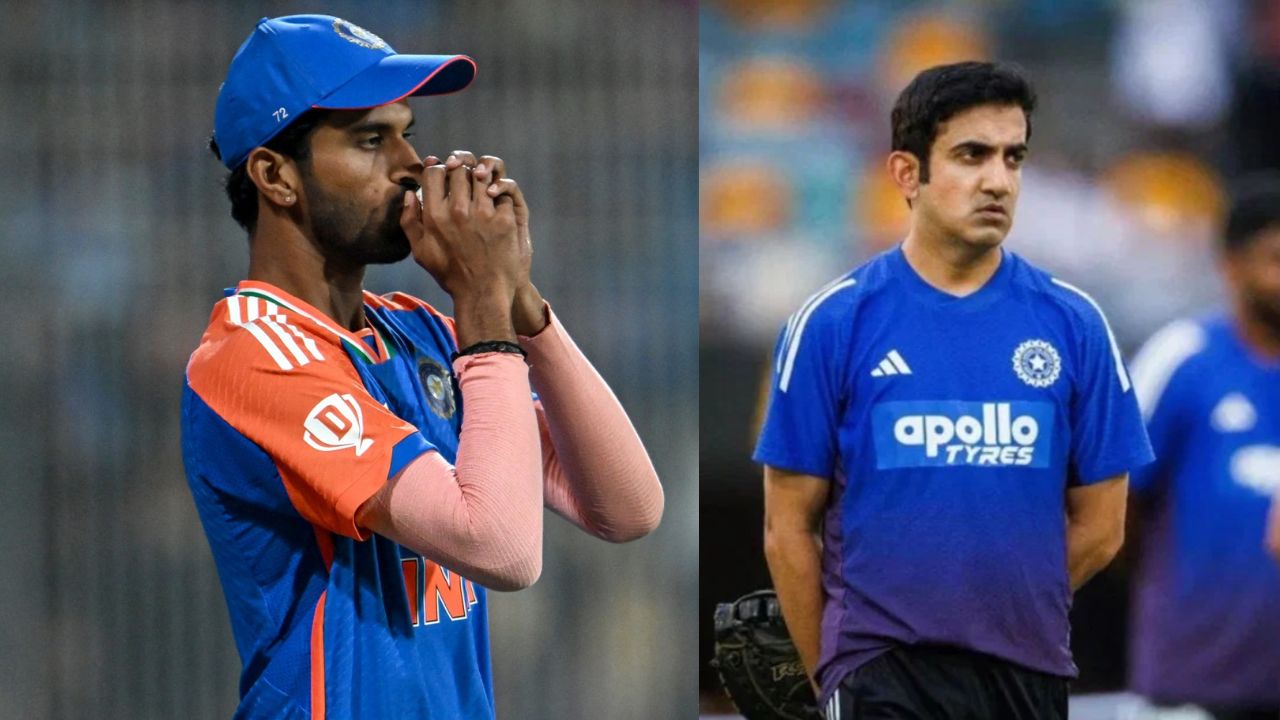
India’s Squad for Afghanistan Series: A Detailed Look at the Controversies
On Tuesday, the Board of Control for Cricket in India (BCCI) officially announced the Test and One Day International (ODI) squads for the highly anticipated home series against Afghanistan. Scheduled to commence shortly after the conclusion of the IPL season, the series will feature a one-off Test match followed by a three-match ODI series. While the return of veteran stars usually dominates the headlines, this announcement has sparked a different kind of conversation—one focused on players who many believe have not done enough to earn their spots.
The selection committee, headed by former pacer Ajit Agarkar, has opted for a mix of youth and experience. However, the inclusion of certain names has led to criticism regarding the meritocracy of the selection process. Below, we break down the squads and analyze the specific players whose presence in the team has been called into question.
The Official India Squads for the Afghanistan Series
Before diving into the critiques, it is essential to look at the personnel chosen to represent the nation in both formats.
India Test Squad vs Afghanistan:
- Shubman Gill (C), Yashasvi Jaiswal, KL Rahul (VC), Sai Sudharsan, Rishabh Pant, Devdutt Padikkal, Nitish Kumar Reddy, Washington Sundar, Kuldeep Yadav, Mohammed Siraj, Prasidh Krishna, Manav Suthar, Gurnoor Brar, Harsh Dubey, Dhruv Jurel
India ODI Squad vs Afghanistan:
- Shubman Gill (C), Rohit Sharma, Virat Kohli, Shreyas Iyer (VC), KL Rahul, Ishan Kishan, Hardik Pandya, Nitish Kumar Reddy, Washington Sundar, Kuldeep Yadav, Arshdeep Singh, Prasidh Krishna, Prince Yadav, Gurnoor Brar, Harsh Dubey
Critical Analysis: The Surprising Inclusions
While the goal of any selection meeting is to field the strongest possible side, there are instances where the rationale behind certain picks remains obscure. In the context of the Afghanistan series, three names have stood out as particularly controversial selections.
1. Nitish Kumar Reddy (Test Format)
Nitish Kumar Reddy’s journey into the Test side began with a flurry of excitement. He initially announced his arrival on the international stage with a majestic century against Australia during a high-stakes tour Down Under. At the time, he was heralded as the next big find for Indian red-ball cricket, a potential long-term solution in the middle order and a handy bowling option.
However, since that standout performance, the all-rounder’s form has experienced a significant decline. His output with both the bat and the ball has been described as below average, failing to match the high standards required for the longest format of the game. Critics argue that he has failed to cement his place through consistent domestic or international performances since his initial breakthrough. A look at his red-ball statistics reveals a reality that contradicts the ‘next big thing’ tag, leading many to believe his inclusion in the Test squad vs Afghanistan is more about past potential than current merit.
2. Washington Sundar (ODI Format)
Washington Sundar remains one of the most frequently discussed names in Indian cricket. For reasons that are not always clear to the public, the Indian team management has consistently backed Sundar in the 50-over format. In a move that highlights this faith, he has even been deployed in the critical number 5 batting position—a slot previously occupied by KL Rahul.
Despite this significant backing, the all-rounder has yet to produce the kind of match-winning impact expected of a primary middle-order player in ODIs. His statistics in the 50-over format do not necessarily justify his continued selection over other burgeoning talents who have been performing consistently in the domestic circuit. The persistence with Sundar, despite a lack of substantial returns, remains a point of contention for those following the team’s transition phase.
3. Gurnoor Brar (Test Format)
Perhaps the most shocking inclusion in the Test squad is that of right-arm pacer Gurnoor Brar. While Brar possesses decent first-class numbers, his selection has come at the expense of Auqib Nabi, a player many believe was far more deserving of a call-up.
Auqib Nabi was instrumental in Jammu and Kashmir’s recent success, playing a pivotal role in their pursuit of the Ranji Trophy title. As the leading wicket-taker for his side, Nabi demonstrated the kind of match-winning ability and consistency that typically earns a national call-up. By choosing Brar over Nabi, the selectors have sent a confusing message to domestic performers who lead their teams to success. The decision to snub the tournament’s top performers in favor of ‘decent’ statistics has left fans and analysts questioning the criteria used by the Agarkar-led committee.
The Road Ahead
As India prepares to face a spirited Afghanistan side, the pressure will be on these selected players to prove their detractors wrong. While the squads are locked in, the debate over selection transparency and the weight given to domestic performance versus perceived potential will undoubtedly continue. For players like Nitish Kumar Reddy, Washington Sundar, and Gurnoor Brar, this series represents a vital opportunity to silence the critics and justify the faith shown in them by the BCCI.