BCCI Signals End of Mohammed Shami’s Era as India Squads Announced
The Shifting Landscape of Indian Cricket
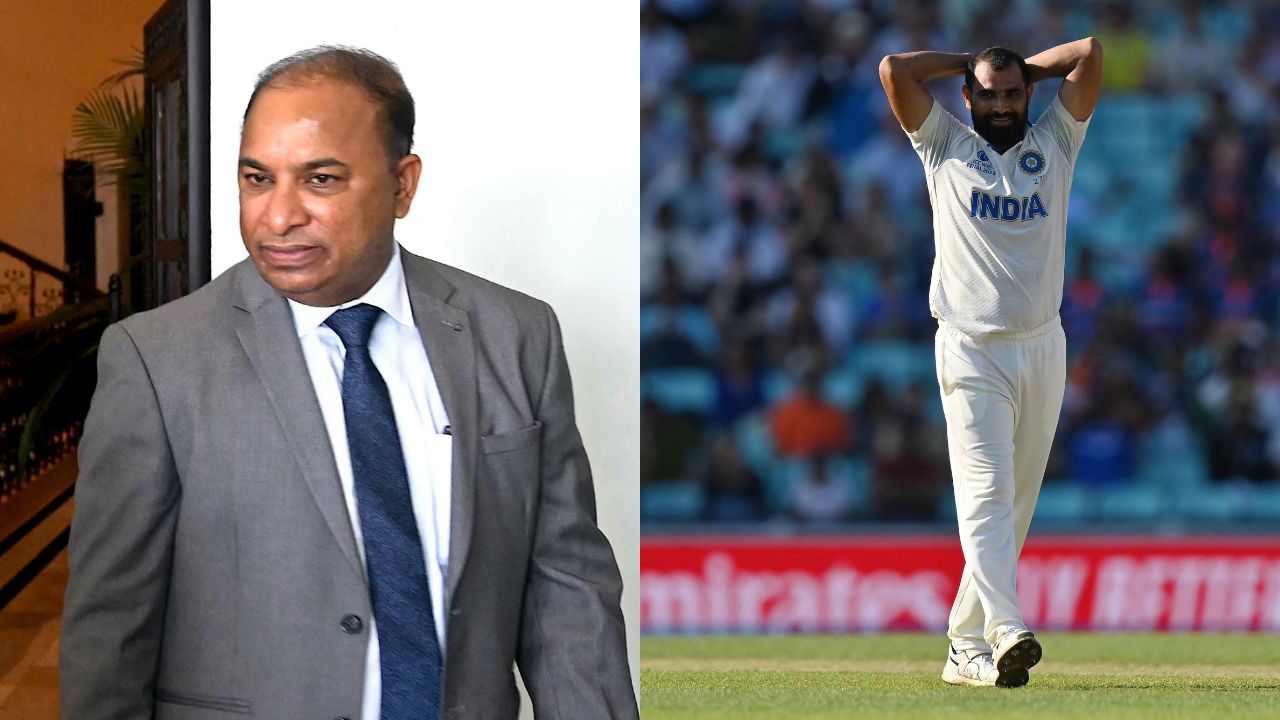
In a move that has sent ripples through the cricketing fraternity, the Board of Control for Cricket in India (BCCI) has officially announced its squads for the upcoming one-off Test and three-match ODI series against Afghanistan. While the inclusion of new talent is always a talking point, the most significant narrative emerging from the announcement is the conspicuous absence of veteran pacer Mohammed Shami. His exclusion from both formats serves as a definitive signal that the selectors are embarking on a transition phase, effectively moving beyond one of the most prolific fast bowlers in India’s modern history.
A Distinguished Career: Looking Back at the Legacy
Mohammed Shami’s contribution to Indian cricket has been nothing short of exemplary. Hailing from Amroha and representing Bengal in domestic cricket, Shami burst onto the scene in 2013. His Test debut was the stuff of dreams; he made an immediate impact by claiming five wickets in Kolkata, setting the tone for a career defined by accuracy, seam movement, and the ability to extract wickets on challenging surfaces. Over the course of his illustrious 64-Test career, Shami solidified his place as the leader of the Indian pace attack, alongside stalwarts like Ishant Sharma, Umesh Yadav, and Bhuvneshwar Kumar. He finishes this chapter with 229 Test wickets at an impressive average of 27.71 and career-best figures of 6/56. His presence was a constant in India’s quest for global glory, including appearances in the ICC World Test Championship finals of 2021 and 2023, with his final Test appearance coming at The Oval against Australia.
The Road to the Current Standoff
The path to the present moment has been complicated by injuries and shifting priorities. Following a stellar performance during the 2023 ICC World Cup at home, Shami faced a grueling period of rehabilitation after undergoing ankle surgery. Although he marked a return to the international fold against England in the 2025 T20Is and contributed to India’s successful Champions Trophy campaign that same year, his appearances have been sporadic. Despite demonstrating fitness in domestic circuits and maintaining respectable standards during recent IPL seasons, he has found himself increasingly outside the selectors’ primary focus for the longer formats.
Ajit Agarkar Clarifies the Selection Stance
Addressing the speculation surrounding Shami’s absence, BCCI chief selector Ajit Agarkar provided a candid explanation regarding the veteran’s current physical condition and the board’s strategic outlook. During the press conference, Agarkar clarified that there were no discussions regarding a Test return for Shami. The consensus among the selectors is that the pacer is currently not physically prepared for the demands of the conventional 50-over game or the rigorous grind of five-day cricket. According to Agarkar, “As far as we have been told, at this point, his body is only allowing him to play T20 cricket. So there was no discussion regarding him for the longer formats.” This assessment highlights the harsh reality of modern international cricket, where longevity is dictated as much by physical endurance as by skill.
The New Guard: Looking Toward the Afghanistan Series
With the one-off Test against Afghanistan scheduled to begin on June 6 at the New Chandigarh Stadium in Mullanpur, the focus now shifts to a new generation of pace bowlers. This match, marking the first Test between the two nations since 2018, will see Mohammed Siraj take the mantle as the leader of the Indian pace attack. The squad selection reflects a clear intent to rotate and test the depth of the bench, with Prasidh Krishna providing support and Gurnoor Singh Brar earning his maiden Test call-up. Furthermore, the presence of Nitish Kumar Reddy highlights the team’s desire to integrate versatile players who can contribute in multiple facets of the game. As India prepares for this series, the exclusion of Shami serves as a stark reminder that in the fast-paced world of international cricket, the national team must constantly evolve to remain competitive on the global stage.