BBL explainer: what does the Melbourne merger mean, and what happens next?
The Current State of the Big Bash League
It has been a chaotic week in Australian cricket regarding the push to introduce private investment into the BBL. There are significant unknowns as to how this situation will evolve. Currently, no formal progress has been made, and the process remains stalled until the six state executives and chairs convene with Cricket Australia (CA) in Melbourne. A definitive decision on whether to proceed to the next phase of the privatisation plan is expected around June 15.
Will there be eight teams in the BBL next season?
Yes. That is guaranteed. There was never any intention from Cricket Australia to alter the competition structure for the 2026-27 season. If private investment is introduced, it is not slated to impact the competition until at least the 2027-28 season. The upcoming BBL season will feature eight teams, with each playing ten home-and-away matches plus the finals. Two of those teams will remain based in Melbourne.
The Melbourne Merger: Stars and Renegades
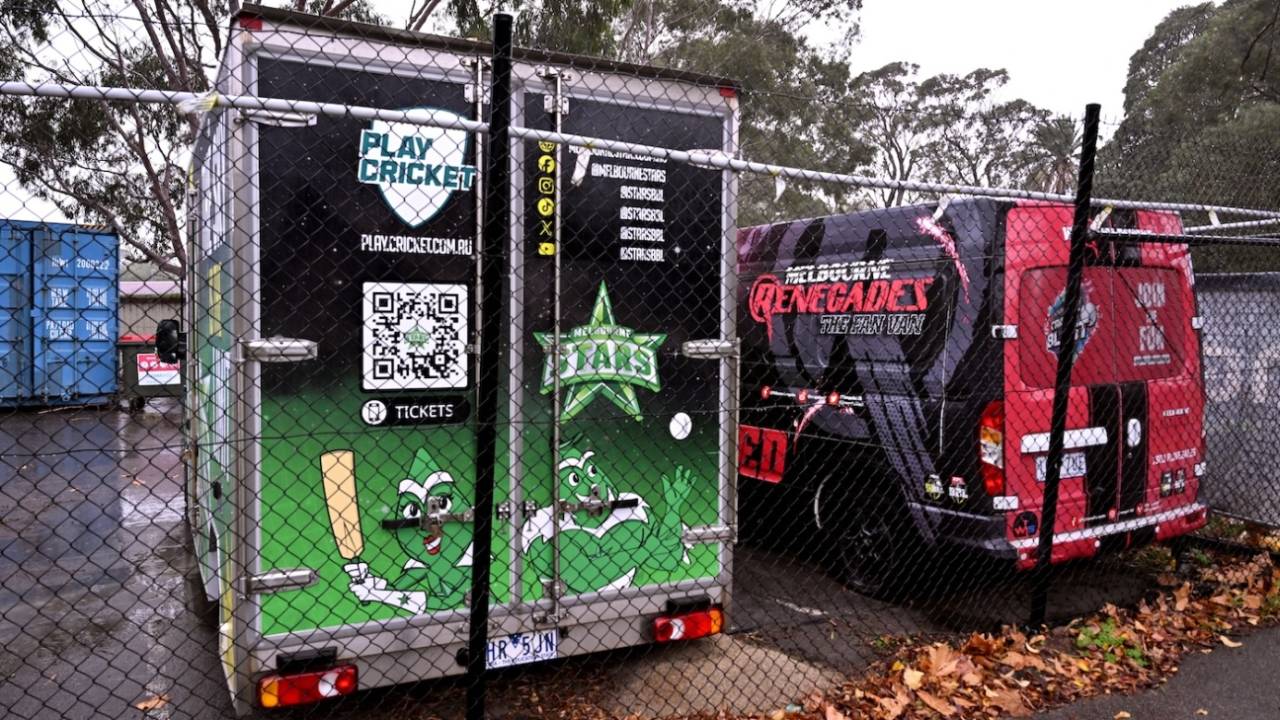
The situation involving the Melbourne Stars and Melbourne Renegades is complex. Cricket Victoria (CV) recently announced administrative decisions to merge the operations of both teams under a single brand, which would be managed by CV and feature a new nickname and colour scheme. Their stated goal is to sell the second team—currently the Renegades—to a private investor before the 2026-27 season. This investor could then rebrand the team, similar to the franchise sales model seen in The Hundred.
However, Cricket Australia chief executive Todd Greenberg has stated that while he is aware of these intentions, nothing has been formally decided or approved. On the balance of probabilities, it appears unlikely that a team under the ‘Stars’ banner will exist in its current form next season, though the situation remains fluid.
Why is Cricket Victoria pursuing this?
Victoria has long aimed to sell one of its two BBL teams to streamline operations and run the remaining club more efficiently, similar to the single-team models proposed for Western Australia and Tasmania. Victoria has historically struggled to distribute resources effectively between two teams and was significantly impacted by the financial challenges of the COVID-19 pandemic.
Interestingly, the decision to merge brands is rooted in internal polling. Focus groups suggested that Renegades supporters would not back a rebranded Stars team, while neutral Victorians would be more inclined to support a side wearing state colours. By announcing these plans ahead of the June privatisation vote, Cricket Victoria aimed to address staff and sponsor retention amid ongoing uncertainty.
Reaction Across the States
The announcement has sparked considerable friction among other states, particularly New South Wales, Queensland, and South Australia. These states expressed frustration at being blindsided and questioned whether Cricket Australia was complicit in the timing of the announcement. Cricket NSW, in particular, remains staunchly opposed to the privatisation push, arguing that the game’s finances can be managed and grown without selling assets to outside investors—a view that stands in direct opposition to Cricket Australia’s financial projections for 2031.
Player and Fan Sentiment
The Australian Cricketers’ Association (ACA) has voiced strong concerns. Chief executive Paul Marsh noted that the announcement has created ‘confusion, uncertainty and anxiety’ among players. Crucially, the Memorandum of Understanding (MOU) between CA, the states, and the ACA mandates that any privatisation of BBL clubs must be agreed upon by the players, which has not yet occurred.
For the fans, particularly those who have grown up supporting the Stars or Renegades over the last 15 years, the news is unsettling. There is a broader sentiment of malaise among the Australian cricket public regarding the lack of transparency in how the privatisation push has been handled.
What comes next?
The next major milestone is the state chairs’ meeting on June 15. The outcome of this vote will determine if the hybrid privatisation model moves forward. If approved, states that wish to pursue private investment will begin testing the market alongside Cricket Australia. While some stakeholders are eager to proceed quickly, the formal process of valuations and potential sales remains a long-term prospect, despite the ambitious timelines suggested by Cricket Victoria.