Rex Rooms, the reckoning: What happens next after curfew-gate?
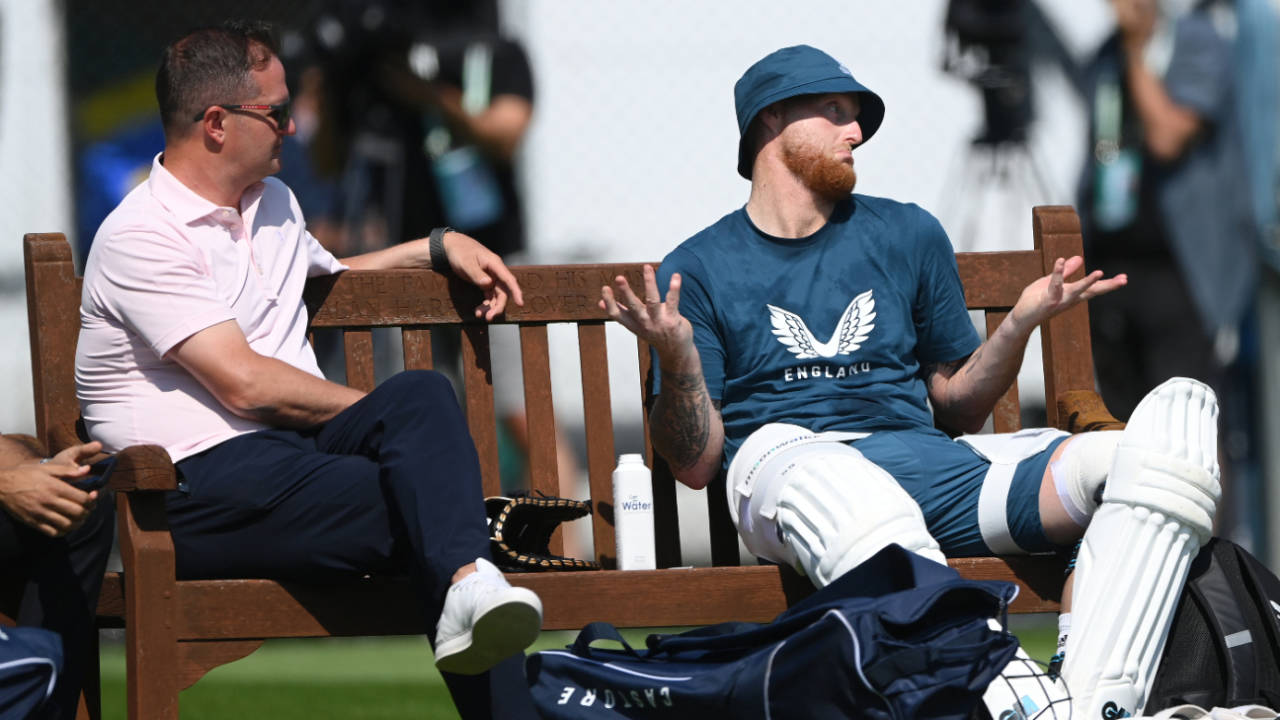
Two chaotic weeks in English cricket reached a resolution of sorts on Sunday evening when Ben Stokes and Gus Atkinson were cleared of serious wrongdoing and named in England’s squad for the third Test against New Zealand at Trent Bridge next week. The decision brings an end to a period of intense speculation, but the fallout from the incident continues to linger over the team. How did the national side arrive at this crisis point, and what questions remain unanswered about this dramatic curfew-gate saga?
The Night in Chelsea: What Happened at the Rex Rooms?
The sequence of events began on the night of June 7. Following England’s victory in the first Test at Lord’s, players celebrated in the changing rooms before several members of the squad moved on to pubs in west London, situated near the team’s hotel. Captain Ben Stokes and fast bowler Gus Atkinson decided to extend their evening, heading to the Rex Rooms nightclub in Chelsea. In doing so, they stayed out past the team’s mandated midnight curfew. Accompanying them was James Shaw, a member of the ECB‘s security detail.
During their time at the venue, two distinct incidents took place: one inside the nightclub and another outside. In one of these encounters, Atkinson was involved in an altercation with Totoa Auvaa, a Saracens academy rugby player. During the confrontation, Auvaa allegedly struck Shaw in the face, causing injuries that required stitches. The severity of the incident was highlighted by the fact that Shaw was not with the team at The Oval during the subsequent Test match.
The ECB released an official statement the following day, confirming that Stokes and Atkinson had breached ‘team protocols’ and referencing ‘an incident’ at the club in the early hours of June 8. This revelation sparked intense media speculation, with rumors circulating that Stokes might resign as captain or even retire from the sport, casting a shadow over the professionalism of the England setup.
The Reaction from England Management
The response from the hierarchy was swift and pointed. Rob Key, England’s managing director, described experiencing a ‘sinking feeling, and then disbelief, anger’ upon hearing the news, alongside ‘shock that it was Ben involved in this.’ Key notably declined to confirm whether Stokes would return to his role as captain, instead installing Joe Root as interim captain for the second Test at The Oval. Interestingly, vice-captain Harry Brook was overlooked for the stand-in leadership role, a decision partly attributed to his own off-field antics during the previous winter.
Head coach Brendon McCullum expressed similar frustration, stating he went from being ‘bewildered, onto angry, onto kinda gutted.’ While McCullum maintained regular contact with Stokes and expressed continuous worry and concern for him during press conferences, he also declined to publicly back Stokes’ captaincy during the initial period, later indicating this was due to the ongoing disciplinary procedures.
The Double Investigation: ECB and the Cricket Regulator
To resolve the matter, two simultaneous investigations were launched in the build-up to and during the second Test at The Oval, for which neither Stokes nor Atkinson was considered for selection. The first was an internal disciplinary hearing conducted by the ECB. The second was initiated by the Cricket Regulator, an independent body established in 2023 to monitor compliance with the game’s regulations, operating separately from the main ECB structure.
Both players were interviewed by the Regulator, which subsequently shared its findings and evidence with the ECB to assist with the internal disciplinary process.
The Verdict and Punishments
On Sunday afternoon, the ECB released its findings. The governing body stated that Stokes and Atkinson had breached ‘specific contractual obligations that require England players to at all times maintain the highest standards of conduct and act in the best interests of England cricket.’
However, the ECB explicitly clarified that ‘no blame’ was attached to either player for the violent conduct at the nightclub. The investigation concluded that Atkinson was ‘the victim of unprovoked attacks and did not retaliate,’ while Stokes did not witness and was not involved in the physical altercation. Consequently, both players received written warnings regarding their conduct and were given backdated one-match suspensions, which they had already served by missing the second Test. The Cricket Regulator concluded there was no case to answer and did not bring charges against either individual.
The Curfew Conundrum: Did the Players Know?
The incident has exposed communication gaps within the England camp regarding team rules. The midnight curfew was introduced after the Ashes series, requiring players to return to the team hotel by midnight during active series. It was first implemented during the tour of Sri Lanka and continued through the T20 World Cup in India.
However, no formal, written document was ever created. Instead, players on the Sri Lanka tour were notified of the protocol via WhatsApp. Rob Key stated that the rules were also sent to representatives at the Team England Player Partnership (TEPP), though player agents contacted by the media claimed this information was never passed on to them.
Following the breach, Key revealed that Atkinson—who was not part of the white-ball tours earlier in the year—claimed he was unaware of the curfew. While Key acknowledged this excuse might hold weight for a newcomer, he made it clear it did not apply to Stokes, who had been instrumental in developing the new team culture. Stokes, meanwhile, was reportedly unsure if the curfew applied immediately after a Test match had concluded, especially with a 10-day gap before the next match. Reports also suggest other players who breached the curfew that night were genuinely unaware of its existence.
This communication gap was highlighted by McCullum’s changing public statements. Before the second Test, the head coach insisted players should have known about the curfew, stating it was referenced constantly in the dressing room. Yet, following England’s defeat at The Oval, McCullum conceded there was ambiguity and promised that the team would document these standards more formally in the future to ensure total clarity.
The Path Forward: What Happens Next?
With the disciplinary hearings concluded, England’s focus shifts back to the pitch. The squad travels to Nottingham for the third and final Test at Trent Bridge, starting Thursday. McCullum is scheduled to speak to the media on Tuesday, followed by Stokes on Wednesday, marking the captain’s first public comments since the incident.
The return of Stokes and Atkinson, alongside Jamie Smith (returning from paternity leave) and Ollie Robinson (recovered from a right knee injury), significantly strengthens the squad for this series decider. A 2-1 series victory would secure England’s first series win since their tour of New Zealand in late 2024 and help rebuild public trust. However, a series defeat would be highly damaging, piling pressure on Key, McCullum, and Stokes, and raising further questions about the stability of English cricket management.