Ryan ten Doeschate impressed with India’s pool of allrounders for future glory
Building a Balanced Future for Indian Cricket
The strategic blueprint for the Indian cricket team ahead of the 2027 ODI World Cup is beginning to take shape, with a clear emphasis on cultivating high-quality utility players. Assistant coach Ryan ten Doeschate recently shared his optimism regarding the depth of talent currently emerging within the domestic circuit. With the team experimenting during the ongoing ODI series against Afghanistan, the focus has shifted toward refining a core group of allrounders who can provide depth across all three facets of the game.
Strategic Depth and the Search for Versatility
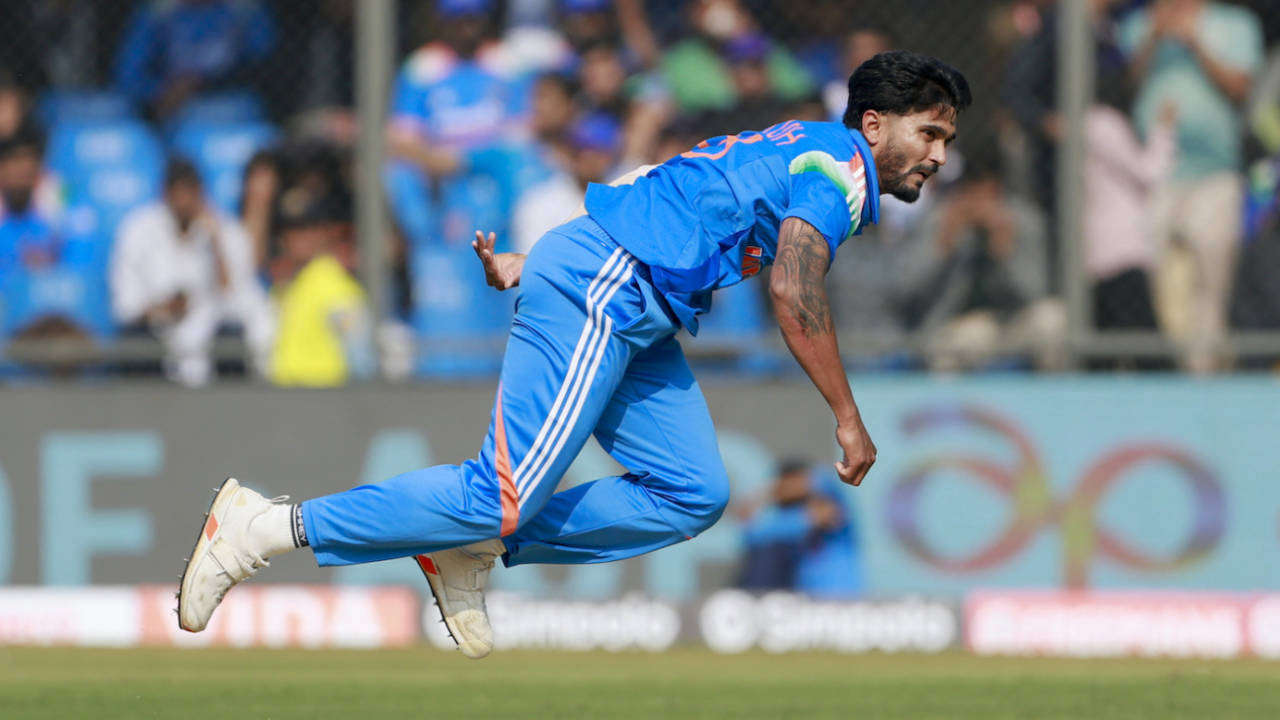
In the absence of star allrounder Hardik Pandya, the team management has utilized the current window to test new candidates. The introduction of left-arm spin-bowling allrounder Harsh Dubey and the reintroduction of seam-bowling allrounder Harshit Rana are indicative of a broader plan. According to ten Doeschate, the objective is to ensure that the team is never over-reliant on a single individual, even one as impactful as Pandya.
“It’s really good,” ten Doeschate remarked. “I would still say the majority of those guys are bowling allrounders. When Hardik’s fit, he obviously brings a different element because he’s such a strong batter and finisher. That sort of role is difficult to fill, but these players are tracking nicely.”
Nitish Kumar Reddy has been identified as a particularly bright prospect. Despite a minor injury setback, his development over the last 18 months has made him a key figure in the management’s vision. Ten Doeschate views Reddy as a potential successor to the roles currently held by more established stars, emphasizing that building physical strength and match-playing ability is paramount for this next generation.
Preparing for South African Conditions
Looking ahead 14 to 15 months, the coaching staff is mindful of the specific requirements for playing in South Africa. The goal is to field a balanced side that can accommodate three specialist seamers without sacrificing batting depth. This necessity is driving the push to develop players who can contribute effectively from the No. 9 position down. The emergence of players like Prince Yadav, Gurnoor Brar, and Auqib Nabi adds a layer of refreshing competition to the fast-bowling department, providing the team with more tactical options than ever before.
Addressing Concerns Over Kuldeep Yadav
Beyond the allrounder front, the team is also managing the form of key specialist players, including left-arm wristspinner Kuldeep Yadav. Following a challenging IPL season, some have questioned the spinner’s consistency. However, the coaching staff remains composed and supportive of his role in the team.
“Look, the wickets aren’t always there, and I thought he bowled really well the other night,” ten Doeschate explained. “As someone who hasn’t played a continuous string of games for a while, there are no real concerns about him. We always like to play a wristspinner or a mystery spinner, as the case may be.”
Ten Doeschate stressed that the modern game requires spinners to constantly evolve as batters become more aggressive. The integration of new spin-bowling coach Sairaj Bahutule is expected to help Kuldeep and his peers refine their tactical planning and game intelligence. While Kuldeep remains a primary choice, the presence of new talent in the wings ensures that healthy competition persists for every spot in the XI.
The Road Ahead
The philosophy of the current management is clear: balance and role specificity will dictate team selection. By pushing veteran players to maintain high standards and simultaneously providing youngsters with the stage to prove their worth, the Indian team is creating a sustainable pipeline of talent. The coming months will be crucial as these emerging allrounders gain more experience, ultimately providing the selectors with the versatility needed to succeed on the global stage in 2027.