BCB appoints only one vice president as Fahim Sinha takes role
A New Administrative Structure for Bangladesh Cricket
The Bangladesh Cricket Board (BCB) has officially embarked on a new chapter under the leadership of President Tamim Iqbal. In a move that has drawn attention from cricket enthusiasts and stakeholders alike, the governing body has restructured its executive team. Notably, the BCB appoints only one vice president as Fahim Sinha takes role, deviating from the previous norm of having dual vice presidents.
The Rationale Behind the Appointment
While the BCB constitution allows for the appointment of two vice presidents—a precedent followed by the previous board led by Aminul Islam Bulbul—the current administration has opted for a leaner approach. Fahim Sinha, an experienced figure in cricket administration, has been selected as the sole vice president for the time being. The rest of the board members are currently awaiting the allocation of their specific portfolios.
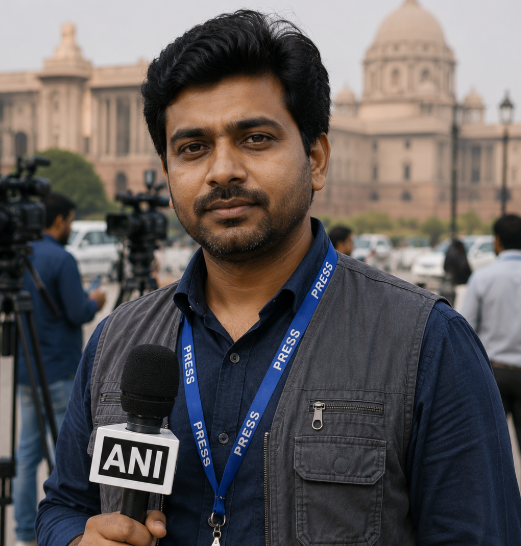
President Tamim Iqbal addressed the decision during a press briefing, clarifying that the move was the result of collaborative discussion rather than individual preference. Tamim stated, “I was the one who proposed appointing only one vice president for now. That doesn’t mean we won’t appoint another one in the future. If the board feels it is necessary, we will definitely appoint another vice president. For now, the board agreed on this decision. Fahim Sinha was selected with everyone’s consent.”
Flexibility and Future Governance
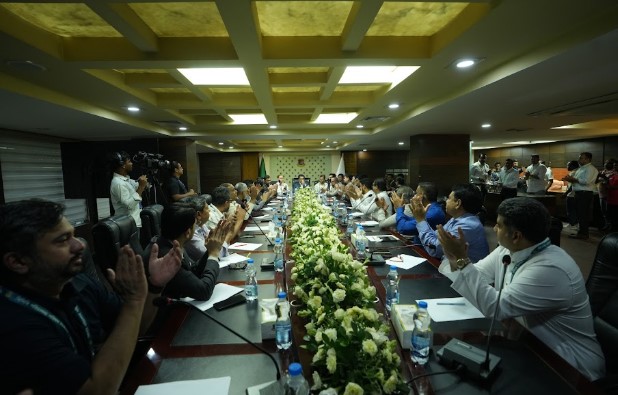
The decision to appoint a single vice president is framed as a strategic choice that keeps the door open for future adjustments. Tamim Iqbal emphasized that the board reached a consensus through a democratic process, with all members expressing their support for the current structure. He further explained, “It doesn’t matter what you or I think individually. The board decided to start with one vice president, and everyone supported it by raising their hands. Again, this doesn’t mean another one won’t be appointed in the future. It can come from any category if needed.”
This flexible approach suggests that the new leadership is prioritizing agility in its decision-making process. By avoiding an immediate, full-scale appointment of all executive positions, the board retains the ability to assess the organizational needs as they arise, ensuring that the right individuals are matched to the right roles as the term progresses.
Addressing Controversies: The Stance on E-Voting
Beyond the executive appointments, the conversation surrounding the new board has also touched upon procedural integrity. Tamim Iqbal took the opportunity to clarify his position on e-voting, a topic that caused significant controversy during the previous election cycle. The BCB President acknowledged that while e-voting is enshrined within the board’s constitution, its implementation required closer scrutiny.
“I have spoken about e-voting before as well. My main concern was when 30-40 people voted together from one place. That was my issue,” Tamim remarked. He distinguished between the convenience of individual participation and the potential for collective influence in an environment that should remain independent. He clarified that if voters cast their ballots individually from their own homes, the process remains fair and transparent, but clustered voting remains a point of concern for the leadership.
Looking Ahead
As the Bangladesh Cricket Board navigates this transition, the cricket community remains watchful of how these administrative changes will influence the sport’s development at the grassroots and international levels. With Fahim Sinha stepping into his role and a clear mandate from the board members, the focus now shifts toward the assignment of remaining duties and the implementation of the board’s broader vision for the game. The commitment to consensus-based governance, as highlighted by Tamim Iqbal, marks a steady start for the new administration as they look to build a stable and effective governing framework for the future of Bangladesh cricket.