‘Positive move’ – Gambhir throws his weight behind red-ball-pink-ball switch
A New Vision for Test Cricket
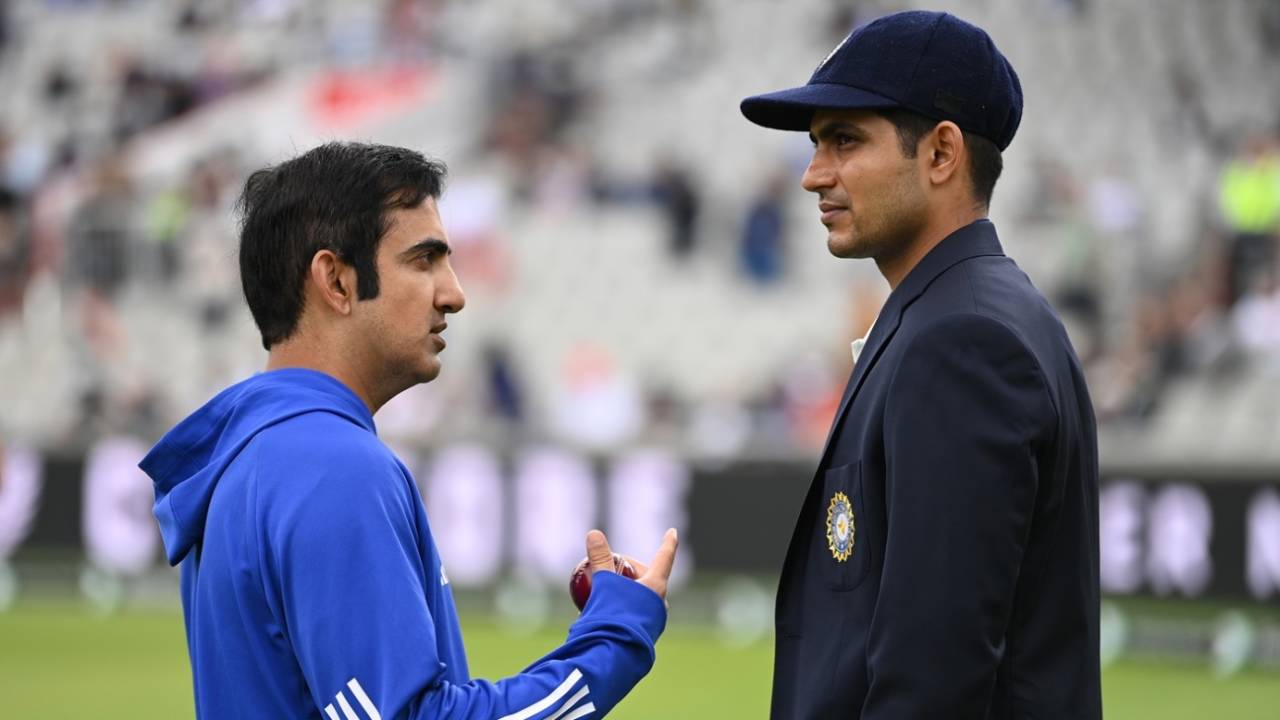
In a landscape where Test cricket often battles against the elements, India head coach Gautam Gambhir has offered a refreshing perspective on how to preserve the integrity of the game. Addressing the media on the eve of India’s one-off Test against Afghanistan in New Chandigarh, Gambhir endorsed the ICC‘s proposal to allow captains to switch from the traditional red ball to the pink ball during periods of bad light. The move is designed to prevent play from being halted, thereby ensuring that teams have every opportunity to force a result.
Gambhir emphasized the importance of this potential change, particularly in the context of the World Test Championship (WTC). ‘I love that because I’ve always believed that if there’s an opportunity to get a result, you should always have that opportunity,’ Gambhir stated. He underscored the frustration of potentially missing out on a WTC final berth due to time lost to bad light, labeling the initiative a proactive and necessary step forward for the longest format of the game.
Prioritizing Results Through Innovation
While the implementation of such a rule would rely on the mutual agreement of both team captains, Gambhir remains optimistic that it will be viewed as a sensible solution to a persistent problem. He acknowledged that the switch might present challenges for players accustomed to the red ball, but maintained that the bigger picture of maintaining the competitive nature of a two-year championship cycle takes precedence.
‘Imagine working hard for two years and the last Test match before the World Test Championship final, if you don’t play five days because of bad light, how unfair that could be,’ Gambhir noted. His stance reflects a broader commitment to ensuring that cricket remains a sport determined by the skill of the players rather than the fluctuations of the climate.
Optimism for India’s WTC Campaign
Despite a challenging period that included a 2-0 home series sweep by South Africa, Gambhir remains steadfast in his belief that India can climb back up the WTC table. Currently sitting in sixth place, the squad faces a demanding schedule, including upcoming tours to Sri Lanka and New Zealand. Gambhir dismissed concerns about form, highlighting the immense talent and hunger within the dressing room. ‘Till you have the opportunity to qualify for the World Test Championship final, you are always optimistic,’ he added.
The No. 3 Dilemma: Faith in Sai Sudharsan
Beyond the rules of the game, Gambhir addressed the strategic composition of the Indian team, specifically the vacant No. 3 batting position following Virat Kohli’s retirement from the format and Shubman Gill‘s shift to the No. 4 slot. The head coach clarified his stance on the competition between B Sai Sudharsan and Devdutt Padikkal.
While Padikkal boasts impressive domestic numbers, having scored 543 runs at an average of 60.33 in the Ranji Trophy, Gambhir is firm in his conviction that Sai Sudharsan deserves a more extended run. ‘Honestly, Sai hasn’t got a fair chance,’ Gambhir explained. ‘He has only played a handful of Test matches and he started his Test career in England, which we all know is not the easiest place to bat in.’
Gambhir highlighted the importance of patience and consistency in team selection. He argued against the practice of judging a player’s long-term potential based on only four or five appearances. By backing Sudharsan, Gambhir aims to foster a culture where players feel secure in their roles, allowing them the necessary time to adapt to the rigors of international cricket. He assured that while Padikkal’s time will come, the management’s current focus is on providing a sustained opportunity for Sudharsan to prove his worth as a world-class talent.
Building for the Future
As India prepares for its upcoming international engagements, the focus remains on building a resilient and adaptable squad. Whether through structural changes like the ball-switch proposal or through the patient development of young talent, Gambhir’s approach is one defined by clarity and long-term vision. The upcoming fixtures will serve as a testing ground for this philosophy, as the team looks to move past recent setbacks and assert its dominance on the world stage.