Big picture: Pakistan chase series win, Australia try to combat spin
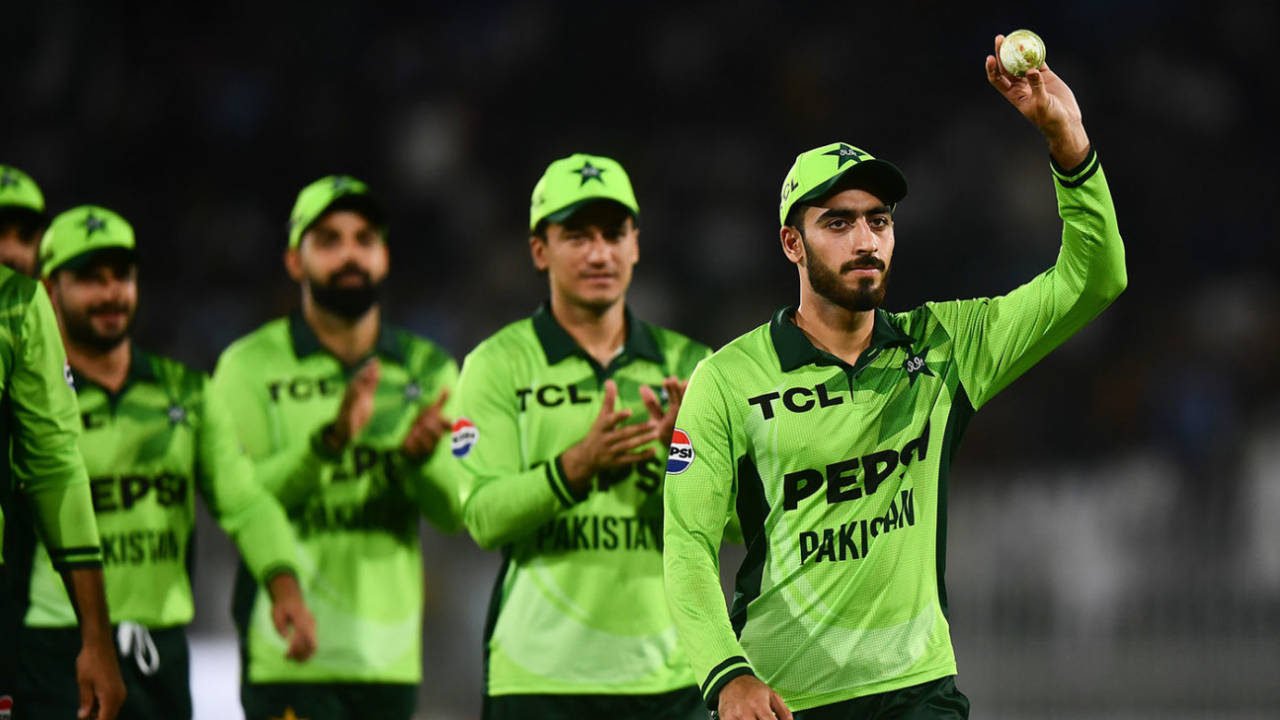
The opening ODI of the series provided a stark reality check for Australia, as their batting lineup struggled to decipher the spin-heavy tactics deployed by Pakistan on a sluggish Rawalpindi surface. The debut performance of Arafat Minhas, whose left-arm orthodox bowling dismantled the heart of the Australian order, highlighted a recurring struggle for the tourists in subcontinent conditions. With the series now moving to Lahore, both teams find themselves at a pivotal juncture.
For Pakistan, the momentum is undeniably in their favor, yet they face a strategic dilemma. The goal is to secure a confidence-boosting series victory, but the management must balance this against the long-term necessity of preparing for the next World Cup. If they opt for another spin-friendly deck, they risk delaying the exposure their players need on faster, flatter wickets that will be characteristic of southern African conditions in 16 months. Australia, conversely, arrived in the region expecting to be tested by spin. Their failure to navigate these questions in the first match raises concerns regarding the development of their younger squad.
The Australian Transition
Australia is currently prioritizing the development of their next generation of talent. Players like Matt Short, Matt Renshaw, Matt Kuhnemann, and Tanveer Sangha have shown promise, providing positives for the coaching staff. However, the form of seasoned campaigners like Marnus Labuschagne and Cameron Green remains a point of contention. As these players struggle to solidify their roles, the team is forced to rotate the XI frequently, with Liam Scott and potentially Cooper Connolly in line for opportunities in the upcoming fixtures.
Spotlight: Shadab Khan and Marnus Labuschagne
The individual narratives surrounding Shadab Khan and Marnus Labuschagne add another layer of intrigue to the series. Shadab, returning to the ODI fold after a three-year hiatus, failed to make an impact in the first game, conceding runs without threatening the batsmen. With competition for spots in the spin department intensifying, his position is under scrutiny. Meanwhile, Marnus Labuschagne is facing a severe dry spell, having failed to record an ODI half-century in his last 11 innings. Once seen as a reliable anchor, his current struggles are putting his place in the 2027 World Cup plans in jeopardy.
Conditions and Expectations in Lahore
The Gaddafi Stadium has historically been a high-scoring venue. Since 2022, the ground has witnessed 13 scores exceeding 300, suggesting that the Lahore pitch will be significantly friendlier for batters compared to the surface in Rawalpindi. With temperatures expected to hit 38 degrees, the physical toll on the players will be immense. The toss will likely remain a crucial factor, given that the last five teams to win the toss at this venue have emerged victorious.
Probable Lineups and Tactical Shifts
Pakistan enters the match with a winning formula, though the potential inclusion of Naseem Shah remains on the table if the surface proves less responsive to spin. Australia is expected to shuffle their deck, with Riley Meredith potentially stepping in to manage workload issues and Adam Zampa’s fitness status determining the makeup of the spin attack. As the teams finalize their plans, the focus remains on whether Australia can refine their approach to spin or if Pakistan will continue to exert their dominance in these home conditions.
Key Match Facts
- Historically, teams batting first in Lahore have held a slight advantage in recent years.
- High scores are the norm, with five totals exceeding 348 at the venue since 2022.
- The humidity in Lahore is expected to be a factor, potentially impacting the presence of dew during the second innings.
Ultimately, this series serves as a vital learning experience for both squads. Whether Pakistan continues to dictate terms with their spinners or Australia finds a way to combat the turning ball, the remaining games in Lahore promise to be a fascinating contest of tactical acumen and individual resilience.