Historic Clash: Pakistan bowl first in 1000th ODI; Minhas, Peake earn ODI debuts against Australia
Pakistan Marks Historic 1000th ODI by Opting to Bowl Against Australia
In a truly landmark moment for international cricket, Pakistan embarked on their 1000th One Day International by opting to bowl first against Australia in the opening match of the three-game series. The historic encounter unfolded at the Rawalpindi Cricket Stadium, marking a significant milestone as Pakistan joined an elite club, becoming only the third nation, after Australia and India, to achieve this remarkable feat in the 50-over format. This highly anticipated clash was not just about the numbers; it also introduced fresh faces and intriguing strategic decisions from both camps, setting the stage for an enthralling contest.
Afridi’s Strategic Call: Bowling First Under Lights
Pakistan’s captain, Shaheen Shah Afridi, won the toss and made the calculated decision to field first. Explaining his rationale, Afridi highlighted two key factors influencing his choice. Firstly, he anticipated that batting might become easier under the floodlights during the second innings, a common observation in day-night fixtures. Secondly, and perhaps more significantly, Afridi believed that the spinners would play a more substantial role in the first innings, leveraging any early turn or grip on the pitch before the dew factor potentially diminishes their impact later in the game. This proactive approach underscored Pakistan’s confidence in their bowling attack and their ability to chase a target effectively.
Pakistan’s XI: A Debutant and a Spin-Heavy Line-up
The hosts unveiled a playing XI that showcased a clear strategic emphasis on spin bowling, while also providing a significant moment for a young talent. Arafat Minhas, a promising 21-year-old left-arm spinner, made his One Day International debut for Pakistan. Minhas is not entirely new to the international stage, having previously represented his country in four T20Is, bringing some prior experience to his maiden ODI appearance. His inclusion signaled Pakistan’s intent to exploit any assistance the Rawalpindi pitch might offer to the slow bowlers.
Adding further depth to the spin department was the return of leg-spinner Shadab Khan. Khan last featured for Pakistan in ODIs during the 2023 World Cup, and his presence brings vital experience and wicket-taking ability back into the squad. With Abrar Ahmed, another potent spinner, and the all-rounder Salman Ali Agha also in the XI, Pakistan effectively fielded four dedicated spin options. This configuration meant that the pace attack was spearheaded solely by captain Shaheen Shah Afridi himself and the fiery Haris Rauf, creating a unique bowling dynamic designed to challenge the Australian batting line-up throughout the innings.
Australia’s Contingent: Youthful Energy Meets Seasoned Prowess
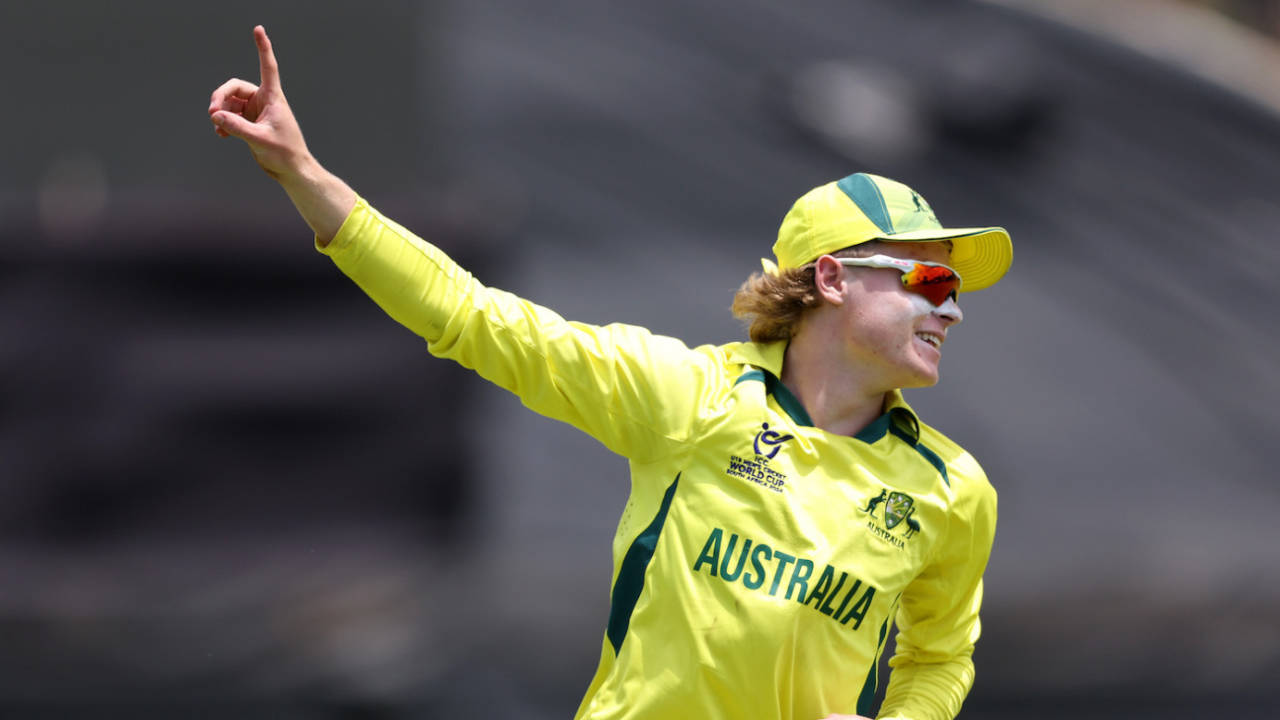
Australia, under the captaincy of Josh Inglis, also introduced an exciting debutant to their ranks. Nineteen-year-old Oliver Peake, an explosive batter, was handed his first One Day International cap, signifying Australia’s commitment to nurturing young talent and providing opportunities on the big stage. His inclusion injects fresh energy and a potential for aggressive scoring into the middle order.
Complementing the youthful exuberance was the return of the tall fast bowler Billy Stanlake, making a comeback to the Australian ODI side after a considerable hiatus of seven years. Stanlake’s express pace and bounce offer a different dimension to their bowling attack. The team composition also highlighted Australia’s strategic planning for all-rounder Cameron Green, who was slotted into the middle order. This placement was part of Australia’s broader strategy to test and develop Green’s finishing abilities, aiming to enhance his capacity to close out innings effectively or accelerate scoring in crucial phases. Nathan Ellis was the other specialist pacer in the Australian line-up, providing another fast-bowling option. For spin, Australia relied on the duo of Tanveer Sangha and Matthew Kuhnemann, who were tasked with providing control and taking wickets in the middle overs.
The Significance of the 1000th ODI Milestone
This match held profound significance beyond the immediate contest. Pakistan’s entry into the 1000-ODI club is a testament to the nation’s rich cricketing heritage, its enduring passion for the sport, and its consistent presence on the global stage. Only two other cricketing powerhouses, Australia and India, have previously reached this monumental landmark. This achievement reflects decades of dedication, countless memorable performances, and the unwavering support of fans. It is a moment of pride for Pakistan cricket, celebrating its storied past while looking forward to a future shaped by new talents like Arafat Minhas and the strategic leadership of Shaheen Shah Afridi.
Detailed Team Line-ups for the Historic Clash
The full squads for both teams, showcasing the mix of experience and emerging talent, were as follows:
Pakistan XI:
- 1 Sahibzada Farhan
- 2 Maaz Sadaqat
- 3 Babar Azam
- 4 Ghazi Ghori (wk)
- 5 Salman Ali Agha
- 6 Abdul Samad
- 7 Shadab Khan
- 8 Arafat Minhas
- 9 Shaheen Shah Afridi (capt)
- 10 Haris Rauf
- 11 Abrar Ahmed
Australia XI:
- 1 Matthew Short
- 2 Alex Carey
- 3 Josh Inglis (capt and wk)
- 4 Marnus Labuschagne
- 5 Cameron Green
- 6 Matthew Renshaw
- 7 Oliver Peake
- 8 Nathan Ellis
- 9 Tanveer Sangha
- 10 Billy Stanlake
- 11 Matthew Kuhnemann
Anticipation for the Series Opener
With both teams featuring a blend of established stars and promising debutants, and with Pakistan marking such a significant milestone, the opening ODI promised to be a captivating encounter. The strategic choices made at the toss, the composition of the bowling attacks, and the roles assigned to key players like Cameron Green and Shadab Khan were all set to play crucial roles in determining the flow and outcome of the match. Cricket enthusiasts worldwide eagerly awaited to witness history being made and the unfolding drama of this high-stakes series opener.