Babar returns while understrength Australia look to 2027 and beyond – Babar Azam Returns as Australia Tests Depth in Pakistan ODI Series
The Road to 2027: A Strategic Pivot for Pakistan and Australia
The 2027 ODI World Cup may still be 16 months away, but for both Pakistan and Australia, the clock is already ticking. With limited opportunities to fine-tune their squads before the global showpiece, the upcoming ODI series in Pakistan takes on significant importance. For the hosts, it is a chance to recalibrate with familiar faces, while for the visitors, it is a period of transition and testing young talent against the backdrop of subcontinental conditions.
Pakistan’s Strategic Reshuffle
Pakistan has opted for a familiar blend of experience and fresh potential. Following a disappointing series in Bangladesh earlier this year, the selectors have brought back stalwarts Babar Azam, Naseem Shah, and Shadab Khan to bolster the ranks. Notably, Shadab returns to the ODI format for the first time since the 2023 World Cup, adding much-needed versatility to the middle order and bowling attack.
The squad also features an injection of youth, with uncapped players Rohail Nazir, Arafat Minhas, and Ahmed Daniyal earning their spots. The omission of Mohammad Rizwan, who captained the team to success in Australia 18 months ago, marks a bold shift in leadership strategy. With injuries to key players like Fakhar Zaman and Saim Ayub, the focus is clearly on finding consistency in the top order.
Australia’s Understrength Challenge
Australia arrives in Pakistan facing a severe personnel crisis. A combination of IPL commitments, workload management, and injuries has sidelined marquee names such as Pat Cummins, Mitchell Starc, and Josh Hazlewood. With Mitchell Marsh also ruled out due to an ankle injury, the leadership duties fall to Josh Inglis.
This vacancy creates a unique environment for experimentation. Players like Matt Renshaw and Matt Short are under pressure to cement their places in the XI, while the inclusion of teenage prospect Ollie Peake and allrounder Liam Scott signals a long-term vision. Perhaps most intriguing is the return of pace bowler Billy Stanlake, whose height and speed are being viewed as potential assets for the conditions expected in southern Africa in 2027.
Players in the Spotlight: Babar Azam and Cameron Green
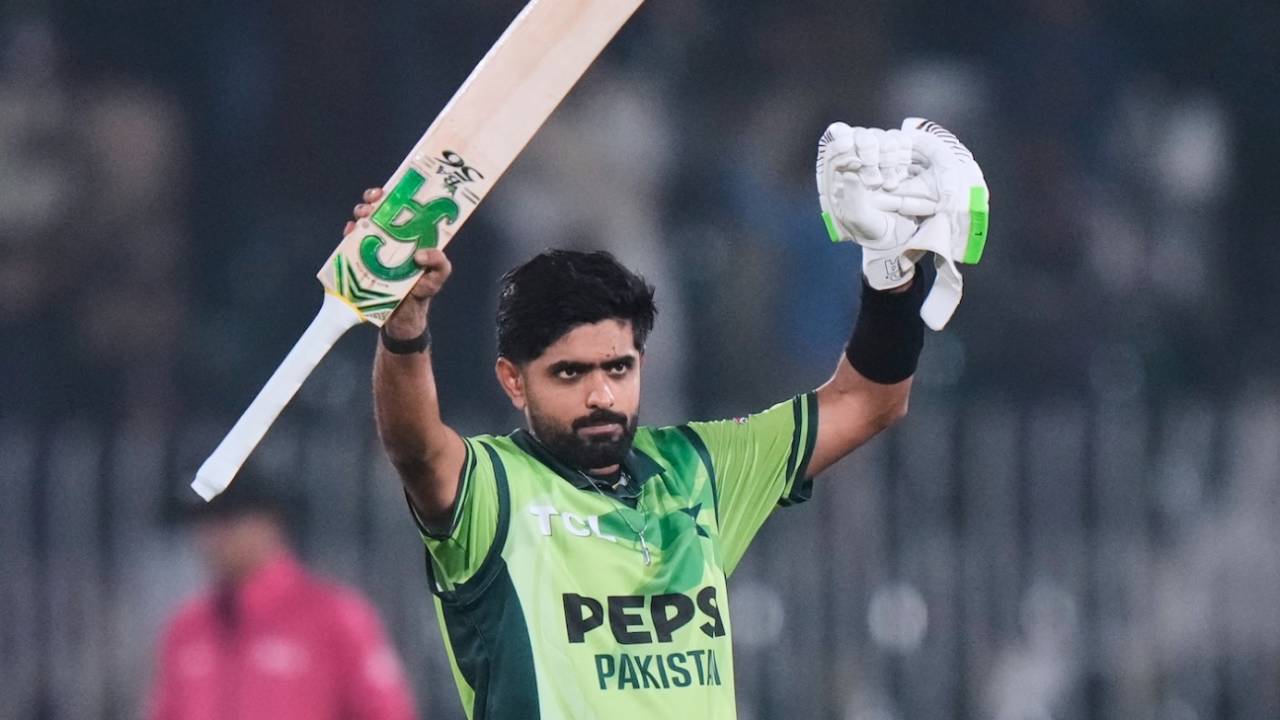
Babar Azam’s return to the ODI setup is the headline event. After enduring a period of intense scrutiny, Babar’s stellar performance in the recent PSL has silenced critics. He will be looking to capitalize on his favorite format to reassert his dominance as one of the world’s premier ODI batters. Should he notch a century, he will surpass Saeed Anwar for the most ODI hundreds by a Pakistani player, a milestone that underscores his immense legacy.
Across the pitch, Cameron Green remains the subject of intense tactical debate. Viewed as a potential successor to the role filled by Glenn Maxwell, Australia is keen to test Green’s finishing capabilities at the death. Coach Andrew McDonald has emphasized that Green’s bowling will be crucial to Australia’s balance, and this series provides him with the perfect platform to demonstrate his dual-threat potential.
Tactics, Pitch, and Conditions
The Rawalpindi conditions are expected to play a major role in the series outcome. While the schedule has been pushed to a 4:30 PM start to avoid the peak heat, the evening dew will likely influence how captains approach the toss. A well-balanced Pakistan side, likely utilizing three pacers and two spinners, seems well-equipped for these conditions. Australia, meanwhile, faces a conundrum regarding their spin department, with the humidity and dew potentially discouraging the use of multiple slow bowlers.
Looking Ahead
As Liam Scott aptly noted, this tour is a steep learning curve for the newer members of the squad. With Pakistan having won their last two series against Australia and maintaining a strong home record, the pressure is on the hosts to deliver. For Australia, the result may matter less than the development of their young core. As the world counts down to 2027, this series serves as a critical examination of depth, character, and strategic foresight for two of cricket’s great rivals.