Smriti Mandhana Confident as India Targets T20 World Cup 2026 Glory
A New Chapter for the Women in Blue
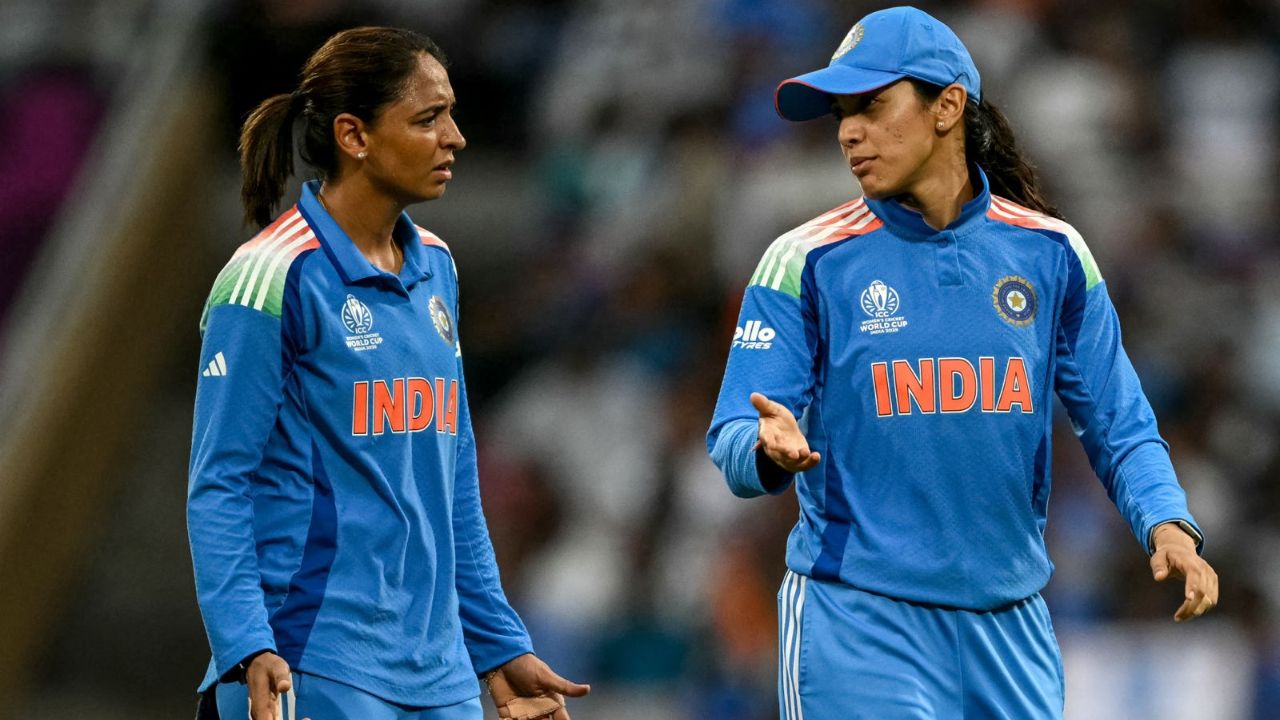
The landscape of Indian women’s cricket is undergoing a transformative phase. With eyes firmly set on the upcoming ICC Women’s T20 World Cup 2026, the team led by the formidable Harmanpreet Kaur is positioning itself as a serious contender for the ultimate prize. Among the stalwarts driving this ambition is Smriti Mandhana, whose recent reflections suggest that India is more prepared than ever to translate their prowess in the 50-over format into T20 dominance.
The tournament is set to be a grand stage, with India’s journey beginning on June 14 against arch-rivals Pakistan. Hosted in the historic cricket environment of Edgbaston, Birmingham, the match is already being touted as a highlight of the tournament. For Mandhana, this opener is not just another game; it is the first step toward a dream she has nurtured for over a decade.
The Catalyst for Change: WPL and International Exposure
When asked about the team’s evolution, Mandhana points toward a combination of tactical maturity and increased competitive exposure. The success of the Women’s Premier League (WPL) has been a pivotal force in bridging the gap between domestic talent and international standards. According to Mandhana, the league provided a platform for younger players to hone their skills under pressure, while recent T20I series, including the challenging tour of Australia, have sharpened the team’s tactical edge.
“We would like to continue the good form which we’ve had, especially having the success in the 50-over format,” Mandhana remarked. “The WPL was also good for a lot of players to get that experience, which, combined with the T20 series in Australia, has given us a solid foundation to build upon.”
A Culture of Hunger and Aggression
One of the most noticeable shifts in the current Indian squad is the adoption of an aggressive batting philosophy. With power hitters like Richa Ghosh and Shafali Verma anchoring the middle and lower order, the team is no longer relying on a conservative approach. Mandhana noted that this newfound depth allows the top order to play with more freedom and intent.
“I feel great as a batter at the top of the order because we have so many power hitters coming in later,” she explained. “It has not been a typical strength for this Indian team, but it is turning out to be our greatest asset. Everyone looks very hungry in terms of doing the right things, and that internal drive is what defines this group.”
Chasing a Long-Held Dream
For Mandhana, the pursuit of a T20 World Cup title is deeply personal. Reminiscing about her debut in the 2014 World Cup at just 16 years old, she recalls being captivated by the respect the Australian team commanded on the field. That early experience planted a seed of ambition that has only grown stronger with time.
“As a player, it was incredibly attractive to see the respect the Australian team commanded. That is when I realized that is exactly what I want for the Indian team,” Mandhana said. “I want to win the World Cup because I want to experience that level of achievement for my country. It is about commanding respect through performance.”
Preparing for the Challenge Ahead
The road to the 2026 final is demanding. Following a recent 3-2 series defeat against Australia, the team is focusing on fine-tuning their performance. The next major test comes in the form of a three-match T20I series against England, beginning on May 28 in Chelmsford, followed by fixtures in Bristol and Taunton. These matches serve as critical preparation before the World Cup group stages, where India faces Pakistan, the Netherlands, South Africa, Bangladesh, and a highly anticipated rematch against Australia on June 28.
As the squad intensifies its preparations, the narrative remains clear: India is not just participating; they are competing with a hunger fueled by history and a vision for the future. With Mandhana’s experience and a talented supporting cast, the 2026 World Cup promises to be a defining moment for women’s cricket in India.