ICC to Empower Umpires Against Illegal Bowling Actions: Impact on Usman Tariq
A Paradigm Shift in Cricket Officiating
The landscape of professional cricket is on the brink of a significant transformation. As part of a broader review of playing conditions, the International Cricket Council (ICC) is preparing to implement sweeping changes to the way bowling actions are monitored and regulated. A pivotal meeting scheduled for May 30 in Ahmedabad, led by the ICC council, is expected to formalize these amendments, marking a new era of transparency and strictness on the field.
Empowering the Men in the Middle
Historically, identifying and penalizing illegal bowling actions has been a slow, post-match administrative process. On-field umpires have largely been relegated to passive observers, unable to take immediate action against bowlers suspected of ‘chucking.’ This is set to change dramatically. Reports suggest that the ICC is planning to equip on-field umpires with access to real-time HawkEye data. This technology will allow officials to analyze delivery mechanics instantly, providing them with the necessary evidence to intervene during the heat of a match. This shift reflects the governing body’s firm resolve to eliminate irregularities that have plagued the sport for years.
The Scrutiny on Usman Tariq
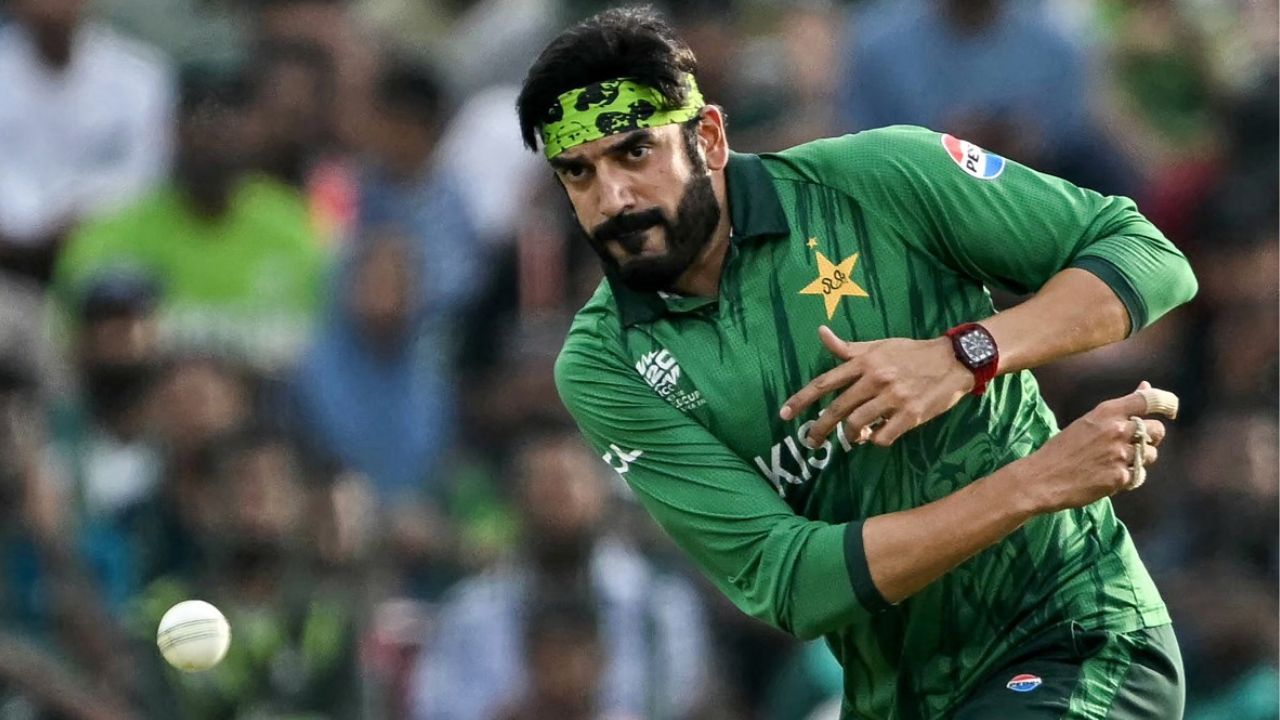
The timing of these proposed regulations has thrust Pakistan spinner Usman Tariq into the spotlight. Tariq’s unique bowling action has become a frequent subject of debate among players and analysts alike. His style, characterized by distinct pauses, has drawn significant criticism and raised questions regarding the legitimacy of his deliveries.
The controversy surrounding Tariq is not new. During Australia’s tour of Pakistan, all-rounder Cameron Green publicly questioned the legality of Tariq’s action, going so far as to gesture to the umpires during play. While Green later issued an apology, the incident highlighted the growing friction Tariq faces on the international stage. The tension continued into the 2026 PSL season, where Daryl Mitchell expressed his clear discomfort with Tariq’s action by stepping away from the crease on two separate occasions.
The Challenge of Deception vs. Illegal Mechanics
Despite the criticism, it is essential to note that Usman Tariq has undergone formal testing. His action was previously scrutinized at the ICC-accredited facility in Lahore, where he was cleared. Experts, including former ICC umpire Anil Chaudhary, have weighed in on the matter, noting that while the pause in his delivery might appear unorthodox, it has not yet crossed the threshold of illegality defined by the ICC. The core issue remains a fine line: is the action deceptive, or is it fundamentally illegal?
According to current ICC regulations, a bowling action is deemed illegal if the player’s elbow extension exceeds 15 degrees between the arm reaching the horizontal position and the moment of ball release. This 15-degree rule has been the industry standard, acting as the primary metric for fair play.
What the Future Holds
The introduction of real-time monitoring via HawkEye will likely change how players like Tariq operate. If the proposed rules are passed, the ambiguity that currently surrounds suspect actions will be stripped away. Umpires will no longer rely solely on their naked eye but on precise, technological data that can determine if a bowler is exceeding the permitted 15-degree extension. For Usman Tariq, and other bowlers whose actions remain under the microscope, this means the pressure to maintain a clean, consistent, and within-the-rules delivery style has never been higher.
As the cricket world prepares for the upcoming council meeting, the focus remains on maintaining the integrity of the game. The ICC’s initiative is a clear signal that the days of waiting for post-match reports to address questionable bowling techniques are coming to an end. Whether these changes will lead to a cleaner game or simply provide more tools for umpires to enforce existing laws, the sport is undoubtedly moving toward a more technologically-reliant and strictly regulated future.