Vijay Hazare Trophy 2025-26: Reshaping India’s ODI Future & Talent Pool
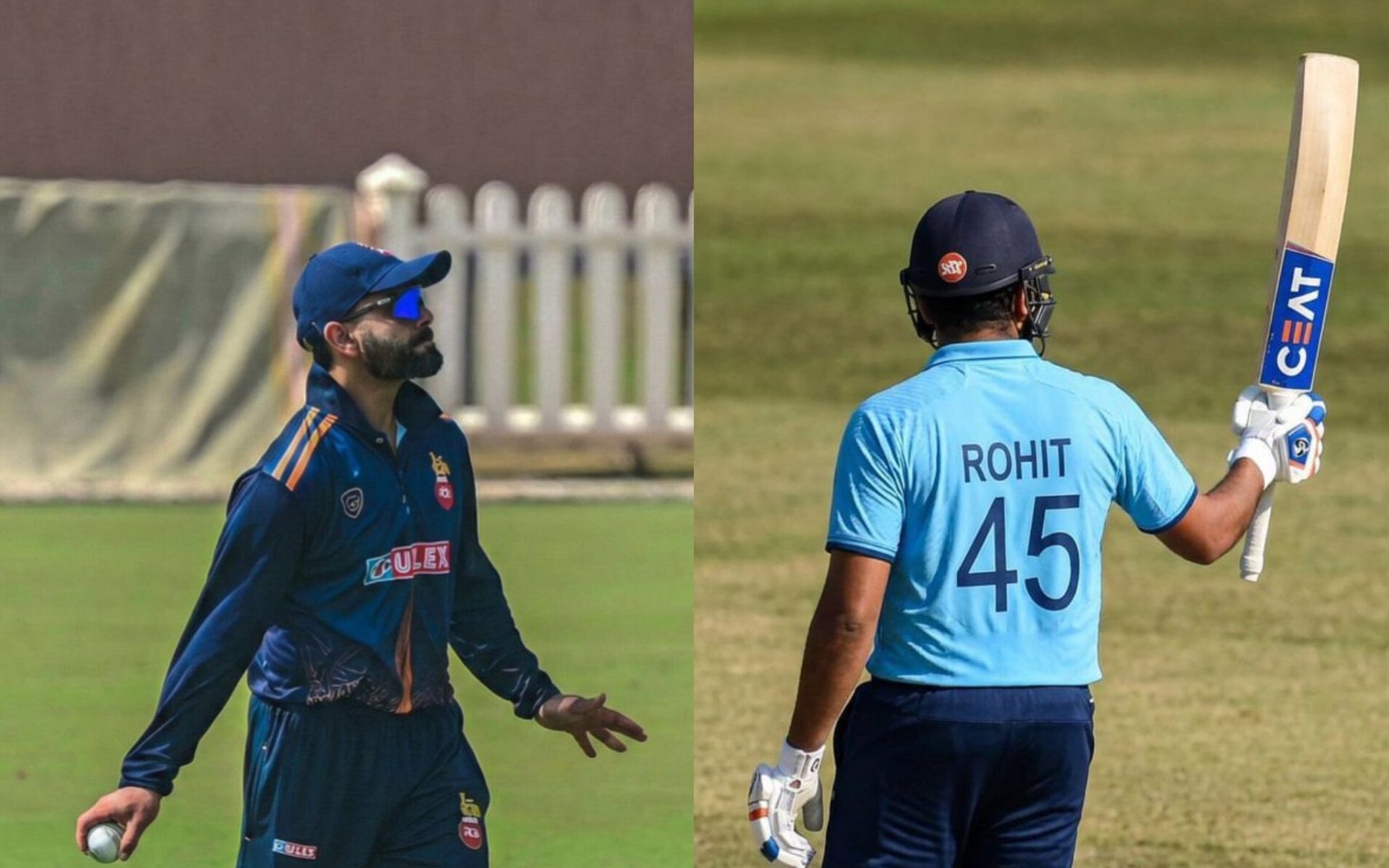
The 33rd edition of the Vijay Hazare Trophy, India’s premier List-A domestic cricket tournament, commenced on December 24, drawing significant attention from fans and selectors alike. While the presence of cricketing icons Virat Kohli and Rohit Sharma has undoubtedly elevated the tournament’s profile, its true significance lies in its potential to sculpt India’s One Day International (ODI) strategies for the future. Beyond the star power, this platform is serving as a crucial proving ground for numerous emerging cricketers aspiring to make their mark on the international stage. As the Indian team navigates a period of transition, the performances witnessed in the Vijay Hazare Trophy 2025-26 are under intense scrutiny, with selectors keenly observing talents who could seamlessly integrate into the national team’s evolving dynamics.
Despite concerns regarding the overall quality of domestic cricket globally, India’s premier domestic tournament is poised to play a pivotal role in shaping the nation’s cricketing destiny on the international circuit. The strategic implications of this competition extend far beyond immediate results, influencing long-term planning, talent identification, and the eventual composition of the squad for future ICC tournaments, including the coveted 2027 World Cup.
The Rohit Sharma-Virat Kohli Dynamic: A Strategic Imperative
The decision to feature Rohit Sharma and Virat Kohli in the Vijay Hazare Trophy has generated considerable discussion within Indian cricket circles. While their participation undeniably boosts the tournament’s viewership and prestige, it has also sparked debate among various stakeholders. The Board of Control for Cricket in India (BCCI) has faced criticism regarding its insistence on having these two stalwarts play domestic cricket, prompting questions about player management and communication protocols for India’s most experienced cricketers.
Former India chief selector MSK Prasad recently weighed in on the matter, offering his perspective and a cautionary note to the existing team management. “One should be careful that the issue is not brought up all the time. We never had a word with Dhoni about playing domestic cricket. He played whenever he felt it was necessary. There should be clear communication up front. Or else, stick to the perform-or-perish policy. There should not be any scope for ambiguity,” Prasad stated in an interview with the Times of India. This highlights the delicate balance between ensuring top players maintain match fitness and form, and avoiding perceived pressure that could create uncertainty within the senior national squad.
Both Rohit and Kohli have demonstrated exceptional form, not only on the international stage but also in their domestic appearances during this tournament. Their centuries in the opening games for their respective domestic teams serve as a clear statement of their intent and commitment to being part of the 2027 World Cup campaign. However, maintaining peak match fitness will be a paramount challenge for these veteran players, given the demanding volume of international and franchise cricket they regularly participate in. Their presence in the Vijay Hazare Trophy, therefore, becomes a strategic exercise in assessing their current form and fitness levels in a competitive environment, while also providing valuable experience for younger teammates.
Virat Kohli’s Perspective on Preparation
Virat Kohli himself offered insights into his approach to preparation, particularly after his match-winning century against South Africa in the first ODI, where he earned the ‘Player of the Match’ award. “I’ve never been a big believer of a lot of preparation, if that makes sense. All my cricket has been mental. As long as I feel mentally I can play the game, I work physically very hard every day of my life. It’s got nothing to do with cricket anymore,” Kohli explained during the post-match presentation. This statement underscores his emphasis on mental fortitude and rigorous physical conditioning as foundational elements of his sustained performance, rather than an over-reliance on extensive match practice in every format. It provides context to the discussion around senior players’ domestic commitments, suggesting that for some, the mental and physical readiness transcends a strict interpretation of domestic game time.
Securing the Number Three Position Beyond Kohli’s Tenure
One of the most pressing long-term strategic concerns for Indian ODI cricket is identifying a stable successor for Virat Kohli at the crucial number three batting position. While Kohli’s phenomenal current form offers the BCCI a valuable buffer, it is imperative for the team management to proactively develop future plans and groom ready-to-go options for this pivotal role. The urgency of this succession planning is underscored by two primary conditions:
- Firstly, should Kohli’s unparalleled form experience a dip in the coming year or before the next ODI World Cup, a robust alternative would be immediately required.
- Secondly, even if the 37-year-old maestro continues his prolific run-scoring, he would be nearing 39 by the conclusion of the 2027 World Cup, necessitating a long-term replacement strategy.
In this context, young talents like Dhruv Jurel warrant close observation. His consistent performances in List A cricket, particularly in the ongoing Vijay Hazare Trophy 2025-26, position him as a strong candidate. Jurel has already amassed 147 runs in just two games, boasting an impressive average of 73.50 and a striking strike rate of 124.57, including two well-crafted half-centuries. His ability to anchor an innings while maintaining an aggressive tempo makes him an attractive prospect for a position where Virat Kohli has been an unparalleled servant to Indian cricket for the past 15 years. The Indian team management must consider Jurel, among others, in their long-term strategic blueprints for the number three batter.
Developing a Resilient Pace Attack for 50-Over Conditions
Another critical area requiring immediate attention from the Indian team management is the development of a resilient and deep pace-bowling contingent for the senior side. The current bowling attack has often appeared less potent in the absence of star pace spearhead Jasprit Bumrah, exposing a potential vulnerability. A lack of consistency in selecting and nurturing a core pace attack could pose significant challenges for the Men in Blue in prestigious global tournaments.
Therefore, the emphasis should not solely be on identifying individual pacers from domestic cricket, but on systematically building a comprehensive pool of talent capable of serving the nation across all formats, with a specific focus on the demands of 50-over cricket. The pacers performing exceptionally in the Vijay Hazare Trophy 2025-26 should be meticulously observed, with particular attention paid to their ability to adapt and thrive under the unique conditions of an ODI match, including bowling economical spells, taking wickets in the middle overs, and performing effectively at the death.
Two fast bowlers who have already made a significant impression in the current edition of the tournament are Devendra Singh Bora from Uttarakhand and Raj Limbani from Baroda. Limbani has been particularly outstanding, scalping eight wickets in just two innings, which includes a magnificent five-wicket haul, placing him as the second leading wicket-taker in the competition. His pace and ability to generate discomfort for batsmen have been noteworthy.
Similarly, Bora has claimed seven wickets in two innings, securing a four-wicket haul and earning him the third spot on the list of the tournament’s leading wicket-takers. His performance against high-calibre opposition was highlighted when he famously dismissed Indian batting stalwart Rohit Sharma for a golden duck in the Mumbai vs. Uttarakhand encounter, a testament to his skill and temperament. These performances underscore the potential these young pacers hold and their readiness to be considered for higher honours, provided they can sustain their form and demonstrate adaptability.
Conclusion: Proactive Answers for Lingering Questions
While India’s current talent pool in ODI cricket appears abundant, making it perhaps the most straightforward format for the team’s think tank to manage, the sport itself is inherently unpredictable. Cricket, as often said, is a game of uncertainties, and it is precisely this unpredictability that necessitates proactive planning and preparation from the team management. Even if there are no immediately burning questions, it is always strategically advantageous to have well-considered answers and contingency plans in place. The Vijay Hazare Trophy 2025-26 serves as a vital instrument in this ongoing process, providing insights and showcasing talent that will ultimately define India’s ODI success in the years to come.