Afghanistan Refugee Women’s Cricket Team Set for Historic England Tour
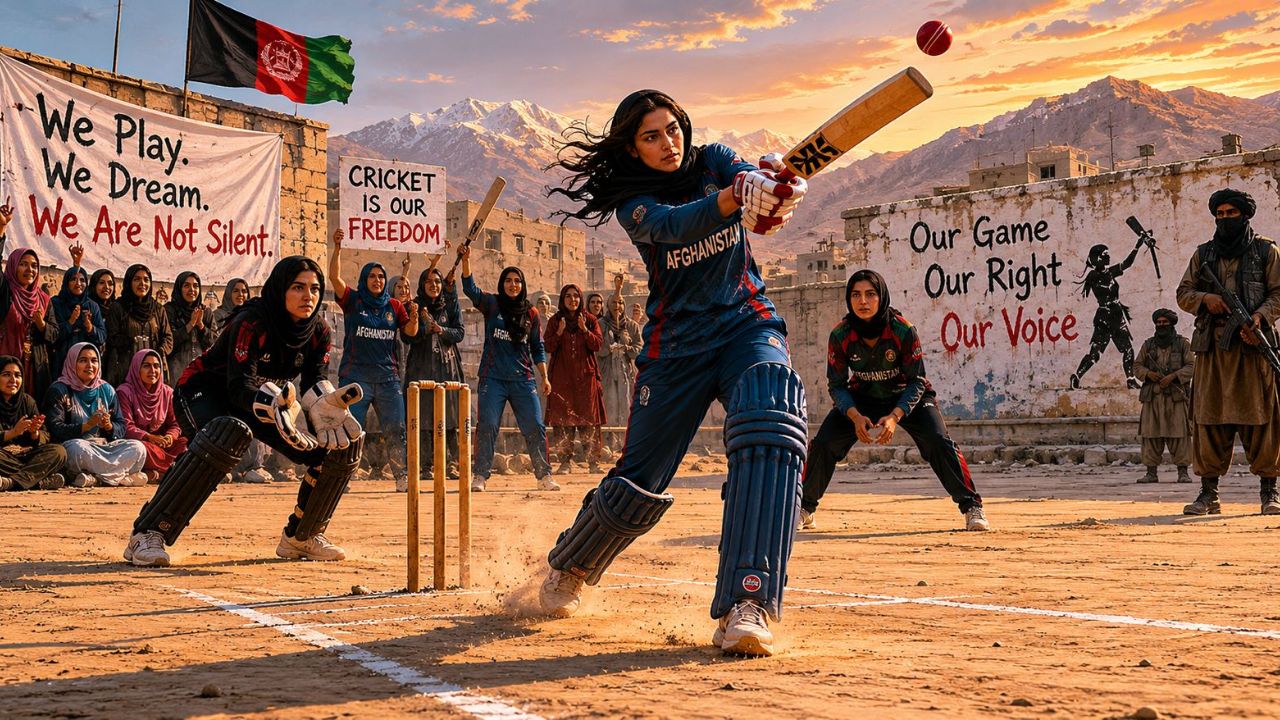
A Beacon of Hope: The Afghanistan Refugee Women’s Journey
The spirit of cricket is often described as resilient, but few stories embody this better than the journey of the Afghanistan Refugee Women’s cricket team. Forced to flee their homeland following the Taliban takeover in 2021, these athletes have spent years navigating the challenges of displacement. Now, they are set to embark on a historic tour of England, scheduled to begin on June 22, 2026, marking a pivotal moment in their fight to keep their sporting dreams alive.
The Impact of the 2021 Taliban Takeover
To understand the magnitude of this tour, one must look back at the progress that was abruptly halted. In 2020, the Afghanistan Cricket Board had initiated a groundbreaking phase for women’s sports in the country. Trials were conducted in Kabul, and 25 talented female players were offered professional contracts. This was a monumental step toward establishing a formal structure for women’s cricket within the nation.
However, the political landscape shifted dramatically in 2021. The Taliban takeover led to severe restrictions on women and girls, effectively banning them from public life, including participation in sports. This policy brought the trajectory of Afghan women’s cricket to a sudden and heartbreaking standstill. Many players were compelled to flee for their safety, scattering across the globe—with a significant portion now residing in Australia—as they sought to reconcile their love for the game with the reality of their displacement.
Building Bridges: The England Tour and Beyond
The upcoming tour is a collaborative effort, organized with the support of the England and Wales Cricket Board (ECB), the Marylebone Cricket Club (MCC), the MCC Foundation, and the sports consultancy It’s Game On. The itinerary for these athletes includes rigorous training camps and a series of T20 matches. Furthermore, the players are expected to attend the grand final of the Women’s T20 World Cup at the iconic Lord’s Cricket Ground, an experience that symbolizes their ongoing connection to the global cricketing fraternity.
This tour follows a series of determined efforts by these athletes to stay active in the sport. Earlier in 2026, the team competed as the ‘Afghanistan Refugee XI’ against ‘Cricket Without Borders’ during the Women’s Ashes in Australia. Similarly, their presence as spectators during the Women’s ODI World Cup in India last year reinforced the message that while they may be in exile, their passion remains entirely intact.
A Symbol of Identity and Resilience
While the International Cricket Council (ICC) has yet to officially recognize the team as an official team in exile, the support from the global cricket community is palpable. Officials from the ECB have expressed their admiration for the dedication shown by these women, emphasizing that their continued commitment to training, despite significant personal upheaval, is nothing short of heroic.
For the players, this venture is about much more than cricket matches. It is a powerful assertion of their identity. By stepping onto the pitch, these women are proving that their dreams cannot be erased by borders or political regimes. They are keeping the flame of Afghan women’s cricket burning, providing hope for future generations who aspire to compete on the world stage.
Looking Toward the Future
As the cricket world turns its attention to the T20 World Cup 2026, the arrival of the Afghanistan Refugee Women’s team in England serves as a poignant reminder of the power of sport to provide dignity and community. Organizers of the tour remain adamant that these cricketers deserve recognition, not just for their athletic talent, but for their unwavering tenacity in the face of adversity. This tour is a crucial step in ensuring that their voices are heard and their contributions to the game are documented and celebrated.
The path ahead remains uncertain, but for these athletes, the opportunity to play, train, and compete is a victory in itself. As they step onto the fields of England, they carry the hopes and dreams of many, standing as a testament to the belief that the love for cricket can bridge any distance.