Understanding the IPL Concussion Substitute Rule
The Indian Premier League (IPL) is renowned globally for its high-octane action, innovative strategies, and constant evolution of playing conditions. Among the many rules introduced to enhance the competitiveness and fairness of the game, the concussion substitute protocol stands out as a vital measure for player welfare. This rule was designed to protect cricketers who suffer confirmed or suspected head or neck injuries during the heat of competition.
According to the official IPL playing conditions, once a player is diagnosed with a concussion, the team is permitted to bring in a replacement. The primary stipulation for this substitution is that the incoming player must be a ‘like-for-like’ replacement, ensuring that the team structure and balance remain as close as possible to the original playing XI. This approval is managed strictly under the oversight of the match referee.
The Evolution of Safety in IPL
In the ongoing IPL 2026 season, the necessity of this rule has been highlighted by two separate incidents, demonstrating that the health of the players remains the highest priority for the league organizers. As the sport continues to demand extreme athleticism and physical commitment, the concussion substitute rule serves as a safety net, allowing teams to handle medical emergencies without being unfairly penalized on the field.
Complete List of Concussion Substitutes in IPL History
While the rule is relatively modern, its implementation has already played a crucial role in several high-profile matches. Below is the historical record of concussion substitutes utilized in the IPL to date:
- Vishnu Vinod for Ishan Kishan (IPL 2023): During Qualifier 2 between Mumbai Indians and Gujarat Titans, wicketkeeper-batter Ishan Kishan sustained a concussion following an accidental collision with Chris Jordan. Vishnu Vinod stepped in as the first-ever concussion substitute in the tournament’s history to fulfill the wicketkeeping duties.
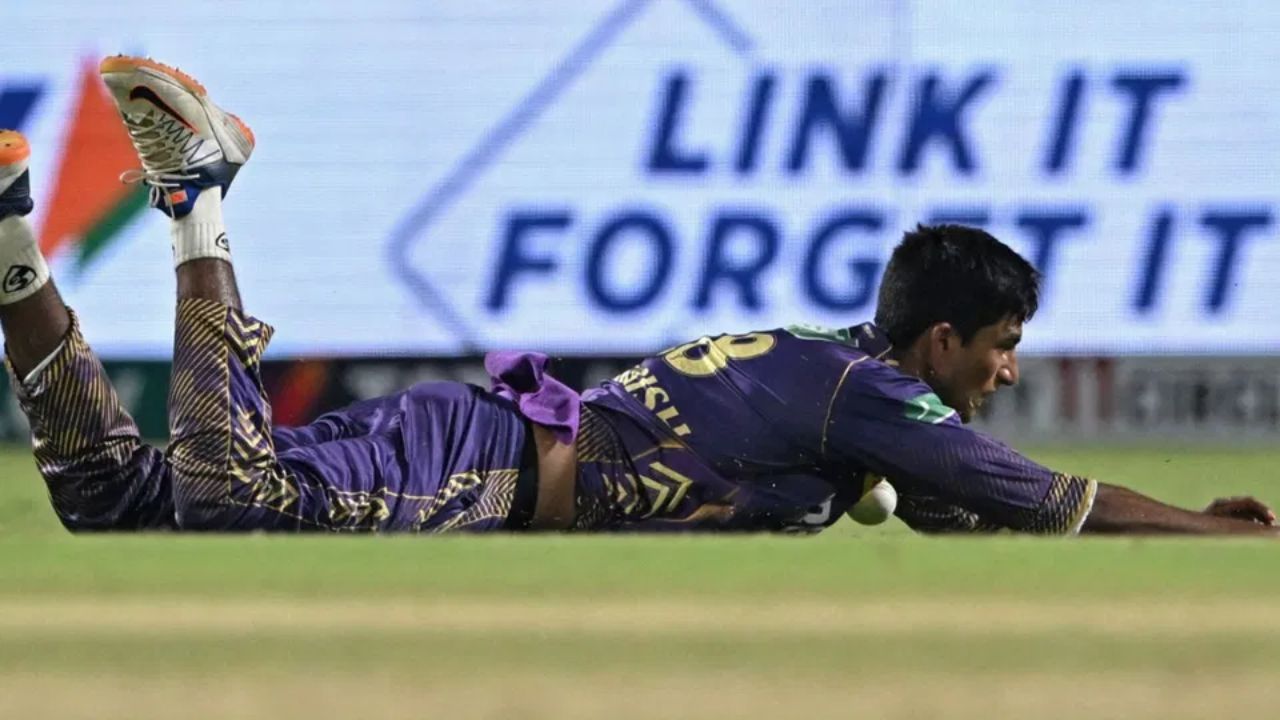
- Yudhvir Singh Charak for Mohsin Khan (IPL 2024): In a match between Lucknow Super Giants and Kolkata Knight Riders, pacer Mohsin Khan suffered a head injury while attempting a diving catch. After medical evaluation confirmed a concussion, Yudhvir Singh Charak was brought into the side as his replacement.
- Ashwani Kumar for Corbin Bosch (IPL 2025): During the MI vs GT clash, Corbin Bosch was hit on the helmet by a bouncer from Prasidh Krishna. Despite attempting to finish his innings, subsequent medical checks revealed signs of a concussion, leading Mumbai Indians to substitute him with Ashwani Kumar.
- Shardul Thakur for Mitchell Santner (IPL 2026): The 2026 season saw its first substitution during the MI vs CSK rivalry. Mitchell Santner suffered a fall while taking a diving catch, resulting in head and neck impact. Shardul Thakur replaced him following the match referee’s approval.
- Tejasvi Dahiya for Angkrish Raghuvanshi (IPL 2026): In Match 65, KKR’s Angkrish Raghuvanshi was forced to leave the field after a collision with teammate Varun Chakravarthy. Tejasvi Dahiya was introduced as the concussion substitute to complete the match for Kolkata Knight Riders.
Why the Like-for-Like Rule Matters
The core philosophy behind the concussion substitute is to ensure that a team is not disadvantaged by a medical emergency that is entirely out of their control. By mandating a ‘like-for-like’ replacement, the IPL preserves the integrity of the contest. If a wicketkeeper is injured, a wicketkeeper replaces them; if a specialist bowler is sidelined, a player with similar bowling credentials is brought in. This balanced approach ensures that the strategic depth of the team remains intact despite the unfortunate circumstances of an injury.
As cricket continues to advance, the concussion substitute rule serves as a testament to the league’s commitment to modernizing player safety standards. It provides peace of mind to players and management alike, knowing that if the worst should happen, the team can continue to compete without sacrificing their tactical integrity.