A Life Defined by Excellence
The sporting world is in mourning following the passing of MJK Smith, the revered former Warwickshire and England captain, at the age of 92. A figure of immense dignity and skill, Smith represented the bridge between the gentleman-amateur era and the professional demands of modern cricket. His career, which spanned nearly two decades of first-class cricket, left an indelible mark on the domestic and international game.
A Stalwart of Warwickshire and England
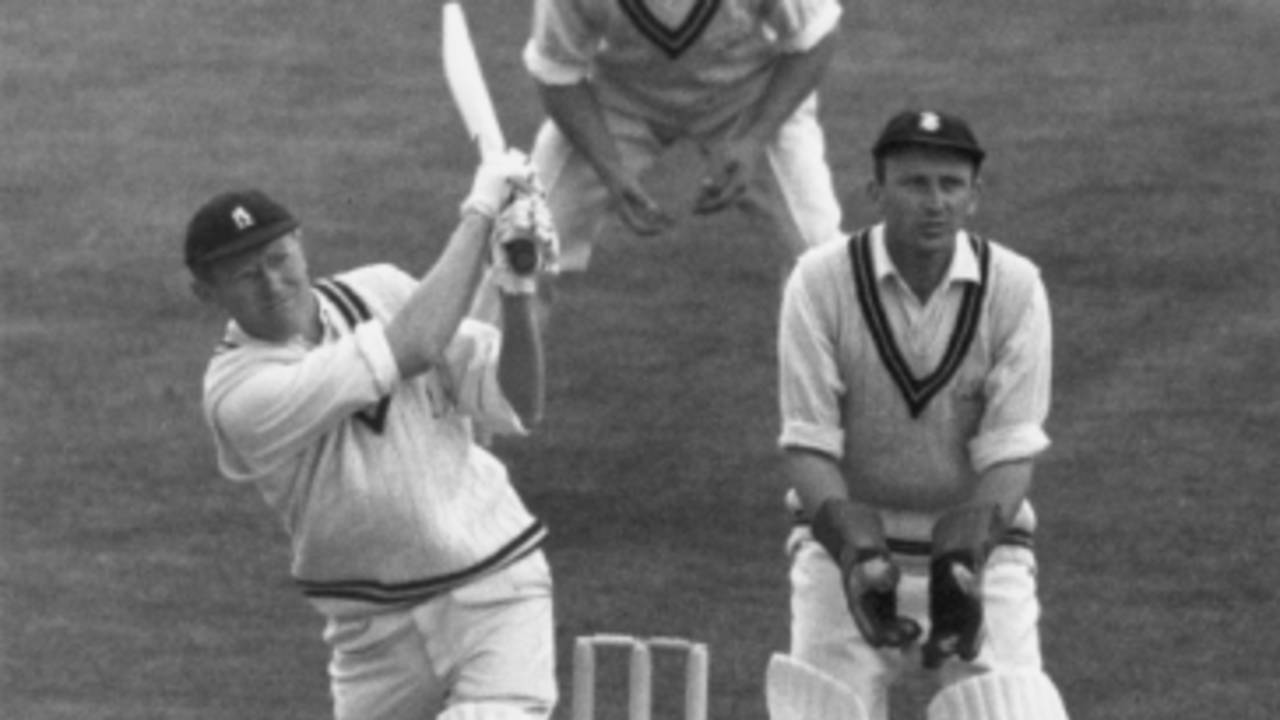
Smith’s career was characterized by remarkable longevity and consistency. Over a 19-year span from 1956 to 1975, he served as the heartbeat of the Warwickshire side. Notably, he led the county for ten years, from 1957 to 1967. His 1959 season stands as a testament to his prowess; he compiled a club-record 2,417 runs, an achievement that earned him the prestigious honor of being named a Wisden Cricketer of the Year in 1960. In total, he amassed 39,832 first-class runs across 637 matches, ranking him 18th on the all-time list of run-scorers.
On the international stage, Smith captained England in 25 of his 50 Test matches between 1958 and 1972. His captaincy record was a reflection of the tactical climate of the time—cautious, methodical, and resilient. He secured a commendable 1-1 draw in Australia during the 1965-66 winter and oversaw just one series defeat in six, which came against the formidable West Indies side led by Sir Garry Sobers. For his tireless services to the sport, he was awarded an OBE in 1976.
The Dual-International Athlete
Beyond his exploits on the cricket pitch, Smith was a rare breed of sportsman. His physical versatility allowed him to excel at the highest level of rugby union. A capable fly-half, he represented Oxford University and Leicestershire, culminating in a one-off England cap against Wales in 1956. This ability to switch between the pressures of international rugby and cricket demonstrated an extraordinary level of athletic discipline.
A Legacy of Kindness and Humility
Perhaps more than his statistics, it was Smith’s personality that endeared him to teammates and opponents alike. Known for his mild-mannered, bespectacled appearance, he possessed an ‘everyman’ quality that resonated deeply in the dressing room. Former England captain Mike Atherton, who was managed by Smith during the 1994-95 Ashes tour, noted that Smith’s good humor was a vital antidote to the intense pressures of professional captaincy. Atherton remarked that Smith was entirely unpretentious, viewing cricket not as a matter of life and death, but as a game to be enjoyed.
This sentiment was echoed by Geoffrey Boycott, who played in 18 Tests alongside Smith. Boycott described him as a ‘good, gentle guy’ who gave players the freedom to express themselves rather than governing with a heavy hand. This philosophy made him a beloved figure across the game.
Continuing the Service
Even after his playing days ended, Smith remained a pivotal figure in cricket administration. He served as chairman of Warwickshire and became an esteemed ICC match referee, officiating in four Tests and 17 ODIs. His commitment to the game continued well into his later years, acting as a mentor and tour manager for England. As Richard Thompson, chair of the ECB, aptly stated, Mike performed every role he undertook with distinction. The respect for his life was visibly displayed at Edgbaston, where players and officials from Warwickshire and Glamorgan stood together in tribute, honoring a man whose contribution to the sport will never be forgotten.